In the rapidly evolving skyline of Metro Manila and the expanding infrastructure across the archipelago, the integrity of a structure is only as reliable as the materials supporting it. For developers, engineers, and contractors, the selection of steel is not merely a procurement checkbox—it is a critical safety decision. In a country prone to seismic activity and extreme weather, choosing a reputable steel supplier in the Philippines is the first step toward long-term project viability.
However, the market is often flooded with options, ranging from premium imports to questionable, uncertified materials. The risk of using substandard steel is immense, potentially leading to catastrophic structural failures or costly legal ramifications. This guide provides a comprehensive deep dive into understanding structural steel grades, verifying certifications, and ensuring your project meets the highest international and local standards.
Why is steel grade verification important for construction projects?
Steel grade verification ensures that the material delivered to your site matches the engineering specifications required for the building’s load-bearing capacity. Without accurate verification, there is no guarantee that the steel will behave as expected under stress, vibration, or environmental pressure. In short, grade verification is the bridge between a theoretical blueprint and a safe, physical reality.
The Impact on Project Success
Building Code Compliance: The National Structural Code of the Philippines (NSCP) mandates specific mechanical properties for construction materials. Using the wrong grade can lead to failed inspections and project shutdowns.
- Safety and Load-Bearing Requirements: Different sections of a building—such as the foundation versus the roof trusses—require different yield strengths.
- Avoiding Costly Replacements: Retrofitting or replacing substandard steel after installation is exponentially more expensive than getting the right grade initially.
- Ensuring Supplier Reliability: A transparent verification process filters out “fly-by-night” vendors and establishes a professional partnership with a legitimate steel supplier in the Philippines that businesses can depend on.
Understanding Structural Steel Grades
Structural steel is not a singular product; it is a category of materials defined by their chemical composition and mechanical properties. In the Philippines, we primarily follow ASTM steel standards, though Japanese (JIS) and European (EN) standards are also prevalent in specific industrial applications.
Common Philippine Steel Grades and International Equivalents
Understanding these grades helps buyers communicate more effectively with their procurement teams and suppliers.
| Grade | Description | Common Applications |
| A36 | Standard mild carbon steel | General construction, bolting, riveting |
| A572 (Grade 50) | High-strength low-alloy (HSLA) | Bridges, high-rise buildings, heavy equipment |
| A992 | Enhanced structural steel | Wide-flange beams for modern skyscrapers |
| PNS 49 | Philippine National Standard | Rerolled and intermediate bars for local housing |
Note: While A36 is the “workhorse” of the industry, many modern engineers are shifting toward A992 for beams because it offers a better strength-to-weight ratio.
Key Indicators of High-Quality Structural Steel
How do you differentiate between a premium product and one that might compromise your build? It comes down to documentation and physical scrutiny.
1. Check for Proper Mill Certifications and Documentation
Every batch of steel should come with a Mill Test Certificate (MTC). This document is the “birth certificate” of the steel, detailing its chemical makeup (carbon, manganese, phosphorus levels) and physical test results.
How do you verify if your steel supplier provides certified steel?
To verify authenticity, cross-reference the heat number on the steel itself with the number listed on the mill test certificate. You can also check if the supplier is recognized by the Bureau of Philippine Standards (BPS) or holds ISO certifications.
2. Evaluate Physical Appearance and Dimensional Accuracy
While laboratory tests are vital, a visual inspection can catch many red flags:
- Uniform Thickness: Use calipers to ensure the thickness is consistent across the length of the beam or plate.
- Straightness: Check for “camber” or “sweep”—variations in the straightness of the steel that could complicate welding and alignment.
- Surface Integrity: High-quality steel should be free of deep pitting, heavy scaling, or cracks. While light surface rust is common due to humidity, it should not affect the structural thickness of the metal.
3. Look at Steel Testing Methods and Results
What are the common testing methods for structural steel?
Professional suppliers utilize several methods to guarantee quality structural steel:
- Tensile Strength Testing: Pulling the steel until it breaks to determine its maximum load capacity.
- Yield Strength Testing: Determining the point at which the steel begins to deform permanently.
- Chemical Analysis: Ensuring the carbon content is low enough for good weldability but high enough for strength.
- Ultrasonic Testing (UT): Using sound waves to detect internal flaws or voids not visible to the naked eye.
4. Understand Strength Ratings and Mechanical Properties
When reviewing your certification documents, look for these specific ranges:
- A36 Steel: Yield strength should be approximately 250 MPa (36,000 psi)
- A572 Grade 50: Tensile strength should be around 450 MPa (65,000 psi)
5. Verify Supplier Reputation and Track Record
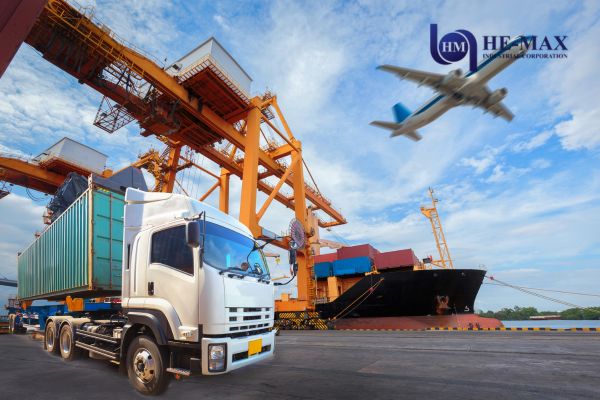
A supplier’s history is often the best indicator of future performance. Look for a steel supplier Philippines experts recommend—one with a decade or more of experience and a portfolio of completed high-rise or infrastructure projects. Reliable logistics are equally important; steel is heavy and difficult to transport, so a supplier with a dedicated fleet ensures that the steel arrives in the same condition it left the mill.
Red Flags That Indicate Poor Steel Quality

Being able to spot “bad steel” can save your company millions in the long run. Watch out for these warning signs:
- Missing Documentation: If a supplier makes excuses about why an MTC is unavailable, walk away.
- Unusually Low Prices: While competitive pricing is good, prices significantly below the global market rate often indicate substandard steel or “scrap-heavy” imports that lack durability.
- Irregular Sizes: Steel that doesn’t meet standard dimensions often suggests poor quality control during the rolling process.
- No Traceability: Every piece of structural steel should be traceable back to the specific furnace and “heat” it was created in.
How He-Max Industrial Ensures High-Quality Structural Steel
At He-Max Industrial, we understand that our products are the literal foundation of the Philippine future. We don’t just supply metal; we provide peace of mind through a rigorous quality assurance framework.
- Verified and Certified: Every product we distribute meets or exceeds ASTM steel and Philippine National Standards.
- Transparent Reporting: We provide comprehensive mill test certificates for every order, ensuring full traceability from the mill to your site.
- Expert Guidance: Our team assists buyers in navigating the complexities of steel grades, helping you choose the most cost-effective material without compromising safety.
- Logistics Excellence: With a robust delivery network, we ensure that your materials arrive on time, every time, keeping your project on schedule.
Never settle for “good enough” when it comes to structural integrity. Always demand a mill test certificate and verify the track record of your partners to avoid the pitfalls of substandard steel.
Ensure your projects use only high-quality, certified steel. Contact He-Max Industrial today for reliable steel supplier Philippines solutions and let our experts help you build with confidence.
- Trunkline: (632) 8275-3888
- Customer service hotline: 0917-1158387
- Email: hemaxsales@gmail.com