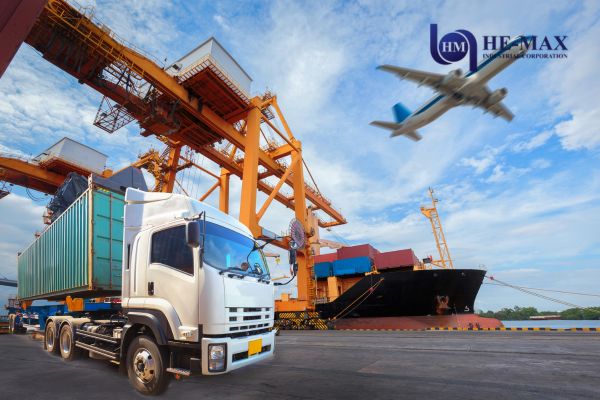
Importing steel into the Philippines may look straightforward on paper, but it’s one of the more complex import processes to manage. Many businesses experience delays, unexpected charges, or compliance issues simply because steel imports are tightly regulated and documentation heavy.
If you’re working with a steel importer in the Philippines or planning to import steel yourself, understanding the most common problems — and how to avoid them — can save you time, money, and major headaches.
This guide breaks down the most frequent steel import problems, why they happen, and what you can do to prevent customs delays and added costs.
Why Is Steel Importation So Complicated?
Steel importation involves more than just shipping goods from one country to another. It requires:
- Accurate tariff classification
- Complete and compliant documentation
- Proper valuation of goods
- Compliance with local regulations and standards
- Coordination with shipping lines, customs brokers, and authorities
In the Philippines, steel imports are closely checked due to their impact on construction, infrastructure, and safety. As a result, import problems are common, especially for first-time importers or companies without experienced customs support.
What Are the Most Common Import Problems for Steel?
Below are the issues most often met in steel import and export transactions—and how importers can prevent them.
Problem 1: Incorrect HS Code Classification
HS codes (Harmonized System codes) decide the duties, taxes, and regulatory requirements applied to imported steel.
Why HS Codes Matter for Steel Imports
A single shipment of steel plates, pipes, or coils can fall under multiple HS codes depending on:
- Shape (coil, plate, pipe, bar)
- Material (carbon steel, alloy steel, stainless steel)
- Manufacturing process (hot-rolled vs. cold-rolled)
- Intended use
Using the wrong HS code can result in:
- Incorrect duties and taxes
- Shipment delays due to reclassification
- Fines or penalties from customs
Common HS Code Mistakes in Steel Imports
- Declaring generic “steel products” instead of specific forms
- Misclassifying alloy vs. non-alloy steel
- Using supplier-provided codes without verification
How to Avoid HS Code Issues
- Confirm product specifications with your supplier
- Consult a licensed customs broker
- Cross-check HS codes with the Philippine Tariff Commission
- Keep detailed mill certificates and technical descriptions
Problem 2: Incomplete or Incorrect Documentation
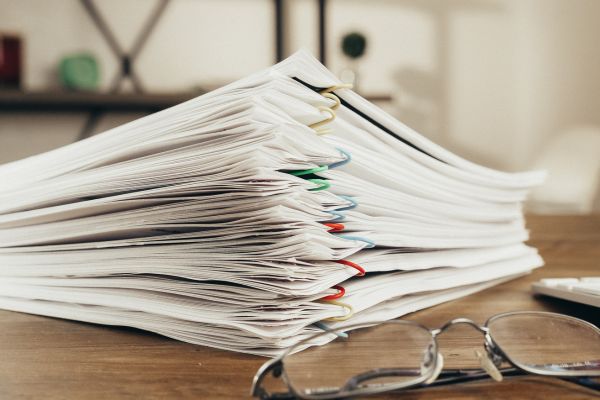
Documentation errors are one of the top reasons for customs delays in steel imports.
Why Documentation Is Critical
Steel shipments are high-value and heavily regulated, so customs officers carefully review all paperwork for consistency.
Required documents usually include:
- Commercial invoice
- Packing list
- Bill of lading
- Import permits (if applicable)
- Mill test certificates
- Certificate of origin
Common Documentation Problems
- Mismatch between invoice and packing list
- Incorrect product descriptions
- Missing certificates or permits
- Undervalued invoices flagged by customs
How to Prevent Documentation Delays
- Review all documents before shipment
- Ensure product descriptions match actual steel specifications
- Use consistent units of measure (kg, MT, length)
- Coordinate closely with your freight forwarder and broker
Problem 3: Non-Compliance with Import Regulations
Steel imports must follow Philippine regulations covering quality, safety, and trade compliance.
Common Compliance Issues
- Missing or expired import permits
- Non-compliance with Philippine National Standards (PNS)
- Failure to provide quality certifications
- Non-adherence to environmental or safety requirements
For example, some steel products may require:
- Product certification or inspection clearance
- Proof of compliance with structural or safety standards
- Added approvals depending on end-use
How to Avoid Compliance Problems
- Check BOC and DTI requirements before ordering
- Verify if your steel product requires special clearance
- Work only with experienced stainless-steel importers or steel suppliers
- Keep compliance documents ready before arrival
“Most customs delays happen not because of fraud—but because importers overlook small compliance requirements.”
A Simple Checklist to Avoid Steel Import Problems
Before shipping any steel into the Philippines, run through this checklist:
Before Shipment
- Confirm correct HS code classification
- Verify supplier-issued documents
- Check import permits and regulatory requirements
During Transit
- Validate invoice values and Incoterms
- Ensure freight details match declared information
- Prepare for possible customs inspection
Upon Arrival
- Coordinate closely with your customs broker
- Respond quickly to customs queries
- Keep supporting documents accessible
Following this process significantly reduces the risk of customs holding and unexpected costs.
How He-Max Industrial Helps with Local Steel Solutions
For many businesses, the safest way to avoid steel import problems is to work with a trusted local supplier.
Why Choose Local Steel from He-Max Industrial?
Sourcing steel locally offers clear advantages:
- Faster delivery times compared to overseas shipments
- No customs clearance delays or HS code risks
- Stable supply chain unaffected by port congestion
- Locally compliant steel products ready for use
Instead of navigating complex steel imports by country, businesses can focus on project execution and timelines.
Frequently Asked Questions (FAQ)
- What are the common customs problems when importing steel?
The most common issues include incorrect HS codes, undervalued invoices, incomplete documentation, and non-compliance with import regulations. - How do I avoid custom delays when importing steel?
Work with a licensed customs broker, verify documents before shipment, use exact HS codes, and ensure compliance with Philippine regulations. - Is importing steel cheaper than buying locally?
Not always. While base prices may be lower, import costs can increase due to duties, delays, storage fees, and compliance issues. Local sourcing often reduces overall risk and hidden costs. - Do steel pipes and stainless-steel importers have different import requirements?
Yes. Each product type may fall under different HS codes and compliance rules. A steel pipe importer or stainless-steel supplier should verify requirements carefully.
Final Thoughts: Import Smart or Source Local
Steel imports play a vital role in the Philippine construction and manufacturing sectors—but they also come with real risks. Understanding common import problems allows businesses to plan better, reduce delays, and control costs.
If your priority is speed, compliance, and reliability, sourcing steel locally from a trusted supplier like He-Max Industrial can be the smarter long-term decision.
For fewer headaches and more predictable outcomes, choose the possibility that keeps your projects moving—without unnecessary customs complications.
Explore our full range of steel products and services by visiting our website. Stay updated with the latest news and industry insights on our Facebook page.
Trunkline: (632) 8275-3888
Customer service hotline: 0917-1158387
Email: hemaxsales@gmail.com