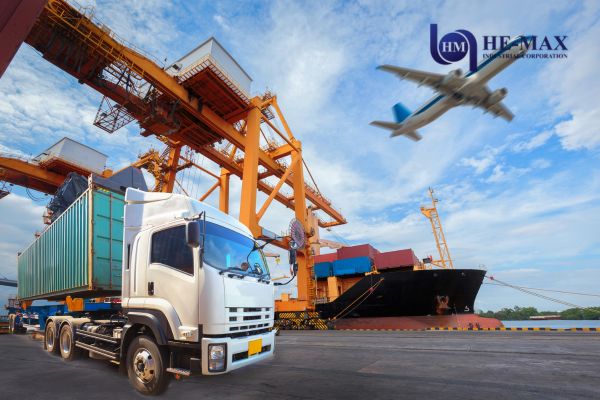
The Philippine construction industry is entering 2026 with strong forward momentum. According to projections from GlobalData, the construction industry in the Philippines is expected to register an average annual growth rate of 6.9% between 2026 and 2029, supported by sustained investment in transport infrastructure, renewable energy, and industrial projects.
This steady expansion reflects long-term government priorities and private sector confidence. As infrastructure networks expand and industrial zones grow, demand for reliable building materials — especially from a trusted steel supplier in the Philippines — continues to accelerate. Steel is still at the core of modern development, serving as the structural backbone of transport systems, energy facilities, commercial towers, and manufacturing hubs.
What Are the Construction Trends in the Philippines for 2026?
The construction trends in the Philippines for 2026 are defined by infrastructure expansion, urban vertical development, increasing steel demand, sustainable building practices, and the growing use of prefabricated construction methods. These trends reflect both public sector priorities and private sector investments.
Quick Summary of 2026 Construction Trends:
- Continued growth of infrastructure projects in the Philippines
- Rapid urbanization and high-rise developments
- Increased demand for structural steel in the Philippines
- Shift toward sustainable and green building materials
- Wider adoption of modular and prefabricated construction
These developments directly affect the demand for reliable building materials in the Philippines suppliers and influence overall construction cost in the Philippines.
Key Construction Trends Shaping the Industry
A. Infrastructure Expansion and Government Projects
Infrastructure is still the backbone of construction growth in 2026.
Major developments include:
- Expressways and toll roads connecting Luzon, Visayas, and Mindanao
- Railway expansions such as North-South Commuter Railway
- Airport modernization projects
- Bridge and port improvements
Public and private investments continue to flow into these sectors, supported by agencies such as the Department of Public Works and Highways (DPWH) and the National Economic and Development Authority (NEDA).
How Infrastructure Drives Structural Steel Demand
Large-scale infrastructure requires:
- Steel beams for bridges
- Sheet piles for marine works
- Reinforcement bars for highways
- Wide flange beams for elevated rail
When infrastructure spending increases, demand for structural steel Philippines rises significantly. This often affects steel prices due to supply demand dynamics.
How do infrastructure projects affect steel prices?
When multiple mega-projects run simultaneously, steel consumption surges. If supply cannot at once match demand—especially when global steel markets fluctuate—prices may increase. This makes early procurement and strong supplier partnerships essential for any construction company in the Philippines.
For deeper insights on sourcing quality materials, read our guide on selecting high-quality steel products.
B. Rising Demand for Structural Steel in Construction
Why Steel Is Preferred Over Traditional Materials:
- Higher strength-to-weight ratio
- Faster installation
- Greater design flexibility
- Better performance during earthquakes and typhoons
In a country prone to seismic activity and strong typhoons, steel frameworks offer improved resilience compared to traditional concrete-only structures.
Common Applications:
- Wide flange beams for structural frames
- Columns for high-rise buildings
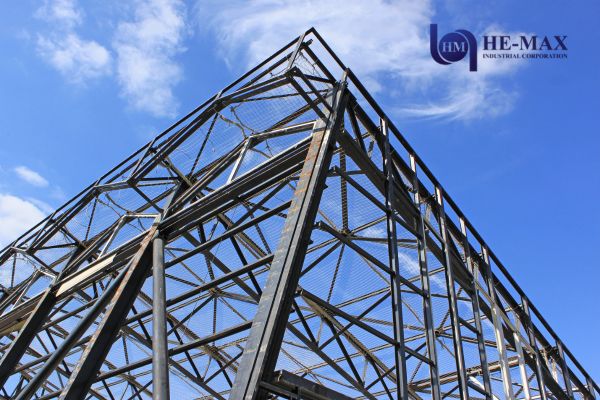
- Steel trusses for warehouses
- Reinforcement bars for foundations
As more developers shift toward taller residential and commercial buildings, demand for structural steel in the Philippines continues to grow.
C. Prefabrication and Modular Construction
Another defining trend in 2026 is the rise of prefabricated and modular construction.
Why It’s Gaining Popularity:
- Shorter project timelines
- Reduced labor dependency
- Improved quality control
- Lower long-term costs
Steel components can be fabricated off-site and assembled quickly on-site. This reduces delays caused by weather—a key factor in the Philippines.
Modular methods are increasingly used for:
- Industrial warehouses
- Affordable housing projects
- Commercial complexes
This shift also helps control construction cost in the Philippines, particularly amid fluctuating labor and material expenses.
Why Steel Demand Is Increasing in the Philippines
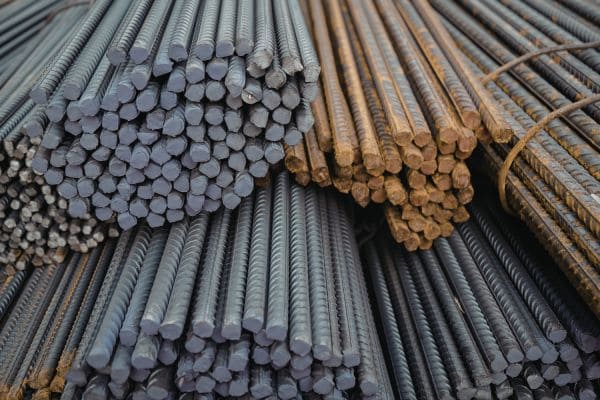
Several macroeconomic factors explain the surge in steel demand:
-
- Urban Population Growth
Metro Manila and surrounding provinces continue to densify. Vertical living is becoming the norm. - Expansion of Industrial Zones
Economic zones and logistics hubs are expanding in Luzon and the Visayas, increasing the need for steel-intensive warehouses and factories. - Rise of High-Rise Developments
Mixed-use developments combine residential, retail, and office spaces—requiring strong steel frameworks. The Philippines’ commitment to long-term infrastructure modernization ensures that steel will remain a core building material for years to come.
- Urban Population Growth
What to Look for in a Steel Supplier in the Philippines
Choosing the right steel supplier Philippines partner directly affects your project’s timeline, safety, and profitability.
Key Criteria to Consider:
-
-
- Product Range: Wide selection of beams, sheets, piles, and reinforcements
- Quality Assurance: Compliance with industry standards
- Reliable Logistics: On-time delivery across regions
- Project Support: Technical guidance and material recommendations
-
For contractors managing projects in different regions, supplier coverage matters. Learn more about sourcing steel across regions in this guide to Luzon steel suppliers for Visayas projects.
How He-Max Industrial Supports Construction Projects
As a leading steel supplier in the Philippines, He-Max Industrial supports contractors and developers nationwide with:
-
-
- A wide range of structural steel products
- Competitive pricing
- Reliable delivery networks
- Support for large-scale infrastructure and private developments
-
Their experience serving industrial, commercial, and infrastructure projects makes them a dependable partner for 2026 and beyond.
Whether you’re building highways, warehouses, or high-rise towers, partnering with a trusted supplier reduces risk and improves efficiency.
Explore their full product range to find the right materials for your project.
Conclusion
The construction trends in the Philippines for 2026 clearly point toward growth—driven by infrastructure expansion, industrial development, and vertical urban living. Steel is still the backbone of this transformation.
For contractors and developers, choosing the right steel supplier in the Philippines is not just about pricing—it’s about reliability, quality, and long-term partnership. As infrastructure projects accelerate and structural steel in the Philippines demand rises, working with experienced suppliers like He-Max Industrial positions your project for success.
In a rapidly evolving industry, preparation and smart sourcing will define the winners in 2026.
Build with Confidence. Partner with He-Max Industrial.
Stay updated with the latest industry news, product updates, and construction insights by following our official Facebook page.
Contact Us Today:
Trunkline: (632) 8275-3888
Customer Service Hotline: 0917-1158387
Email: hemaxsales@gmail.com
Whether you’re managing infrastructure projects, high-rise developments, or industrial facilities, He-Max Industrial is ready to support your next project with reliable steel solutions.