In the rapidly evolving skyline of the Philippines, the skeleton of a building determines its destiny. For developers and investors, the choice of structural material is no longer just about initial cost; it is about surviving the test of time, climate, and seismic activity. Steel fabrication in the Philippines has emerged as the gold standard for achieving this longevity. By transitioning from raw materials to precision-engineered components, fabricated steel provides a level of durability that traditional onsite methods simply cannot match.
Whether you are looking into commercial steel buildings for retail or massive industrial hubs, understanding the structural advantages of fabrication is the first step toward a high-ROI investment.
What Is Fabricated Steel and Why It Matters?
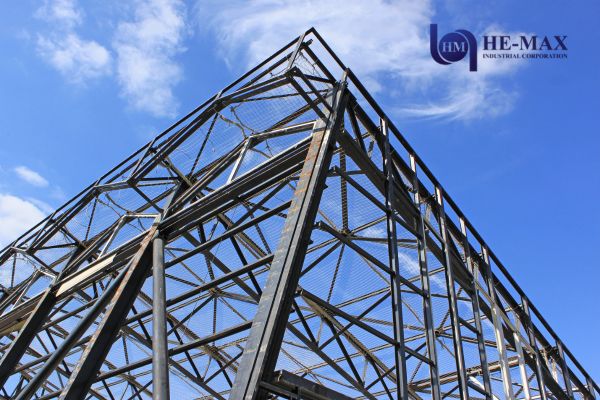
To understand its value, we must first answer a fundamental question: What is fabricated steel? In its simplest form, fabricated steel is structural steel that has been cut, bent, and assembled into specific shapes and sizes within a controlled factory environment before being shipped to a construction site.
Fabrication vs. Traditional Steel Construction
Traditional construction often involves “stick-built” methods where raw steel beams are cut and welded manually at the job site. While functional, this method is prone to human error and environmental interference. In contrast, professional steel fabrication services utilize advanced machinery and specialized software (like BIM and CAD) to ensure every bolt hole and flange is accurate to the millimeter.
- Precision: Factory settings eliminate the variables of wind, rain, and uneven ground.
- Efficiency: Pre-engineered parts arrive ready for assembly, turning the construction site into an efficient assembly line.
- Integrity: Controlled welding environments ensure deeper, more consistent penetration and stronger bonds.
How Fabricated Steel Improves Durability
- Enhanced Structural Strength
The load-bearing capacity of a building is only as strong as its weakest joint. Fabricated steel allows for the creation of complex geometries that distribute weight more effectively than standard off-the-shelf beams.
- Precision-Cut Components: Modern CNC (Computer Numerical Control) machines ensure that every piece fits perfectly. This “perfect fit” reduces secondary stresses on the frame caused by forced alignments.
- Reduced Structural Failure Risk: Because the components are engineered to exact specifications, the risk of “fatigue” over time is significantly lowered.
- Improved Corrosion Resistance
In the Philippines, humidity and salt air are the silent enemies of metal. A reputable structural steel supplier in the Philippines integrates protective measures during the fabrication phase.
- Galvanization: Dipping steel in molten zinc creates a metallurgical bond that protects the metal from rust.
- Advanced Coatings: High-performance primers and intumescent paints are applied in climate-controlled booths, ensuring they cure perfectly without trapped moisture—a feat nearly impossible to achieve outdoors on a construction site.
- Better Performance in High-Stress Environments
Commercial buildings must be “resilient,” not just strong.
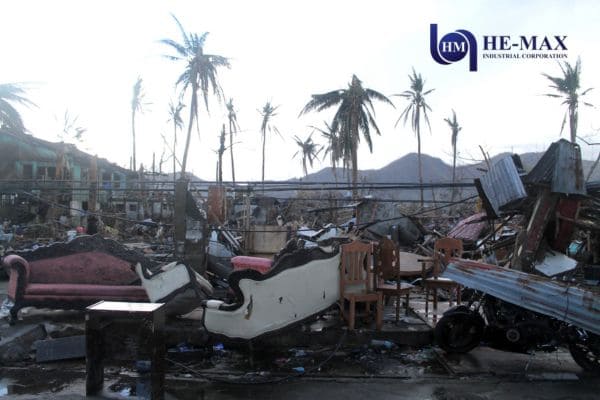
- Earthquake Resilience: Steel is inherently ductile, meaning it can bend without breaking. Fabricated joints are designed to absorb and dissipate energy during seismic events, a critical feature for the Philippine landscape.
- Wind and Typhoon Resistance: High-strength commercial metal buildings are engineered to withstand the extreme lateral pressures of Category 5 typhoons.
- Fire Performance: While steel doesn’t burn, it can lose strength at high temperatures. Fabrication allows for the seamless integration of fire-rated cladding and sprays.
- More Consistent Quality Control
Offsite fabrication follows strict international standards (such as AISC or ISO). Every weld is inspected, and every beam is tracked. This level of oversight is rarely achievable in the chaotic environment of a live construction site.
Comparison: Fabricated Steel vs. On-Site Traditional Steel
| Feature | Fabricated Steel (Offsite) | Traditional Steel (Onsite) |
| Measurement Accuracy | Millimeter precision (CNC) | Manual measurement (Human error risk) |
| Welding Quality | Controlled environment; X-ray tested | Subject to weather and wind interference |
| Waste Material | Minimal (Optimized by software) | Significant scrap and offcuts |
| Construction Speed | Up to 50% faster assembly | Slower, sequential process |
| Weather Impact | Zero delay during production | High risk of delays and rust |
Applications of Fabricated Steel in Commercial Buildings
The versatility of steel fabrication services makes it the preferred choice across various sectors:
- Warehouses and Logistics Hubs: Large clear spans are required to move goods. Fabricated trusses allow for massive open floor plans without intrusive support columns.
- Retail Complexes: Malls require aesthetic flexibility and the ability to handle heavy foot traffic and HVAC systems.
- Manufacturing Facilities: These buildings must withstand the vibration and weight of heavy machinery.
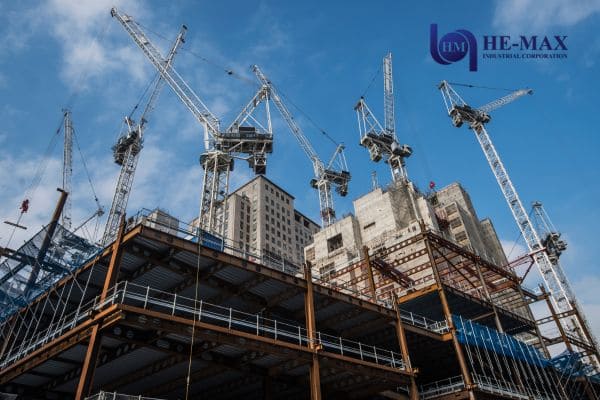
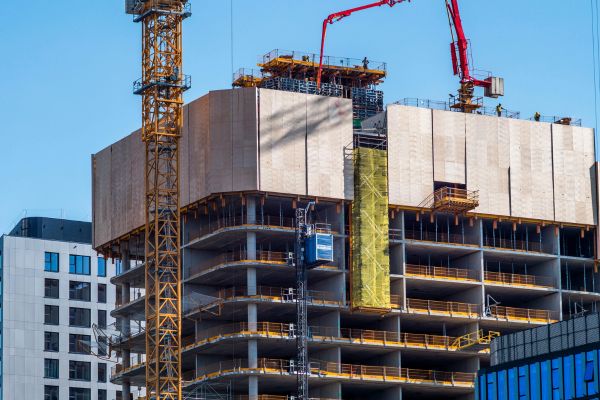
- Multi-story Commercial Buildings: High-rise offices rely on the strength-to-weight ratio of steel to reach greater heights safely.
How He-Max Industrial Supports Durable Steel Construction
Choosing the right partner is as important as choosing the right material. He-Max Industrial has established itself as a leader by focusing on the intersection of technology and craftsmanship.
- High-Quality Steel Fabrication: Utilizing state-of-the-art equipment to deliver components that meet international safety standards.
- Structural Steel Supplier in the Philippines: We source high-grade materials to ensure your project begins with a foundation of excellence.
- Custom Solutions: No two commercial projects are alike. We provide bespoke designs tailored to your specific architectural requirements.
- Compliance and Quality Assurance: Our processes are rooted in strict industrial standards, ensuring every beam that leaves our facility is “project-ready.”
- On-Time Delivery: We understand the logistical challenges of Philippine construction and prioritize timely delivery to keep your project on schedule.
The durability of a commercial building is the ultimate insurance policy for any developer. By leveraging steel fabrication in the Philippines, you are not just building a structure; you are engineering a legacy.
Ready to elevate your next project? Learn more about He-Max Industrial’s steel fabrication capabilities and see how our expertise can strengthen your investment.