When planning a construction project, whether it’s a family home or a massive warehouse, the focus often goes to the visible elements: the roofing purlins, the wall paint, or the foundation. But holding that roof up, silently bearing the load day in and day out, are the C purlins. These C-shaped steel beams are the essential backbone of your roof framing.
To cut costs, it can be tempting to opt for the cheapest materials on the market. This is especially true in the competitive construction landscape of the Philippines. However, this decision often leads to a cascade of expensive and dangerous problems.
That “cheap” price tag hides significant long-term costs. Using substandard C purlins doesn’t just put your roof at risk; it compromises the entire structure and the safety of everyone beneath it. This article exposes the hidden costs of low-quality purlins and explains why partnering with a trusted C purlins supplier is the most cost-effective decision you can make.
What Are C Purlins and Why Do They Matter?
Before we dive into the problems, let’s clarify what C purlins are.
C purlins are cold-formed steel members used as horizontal supports in a roof. They span between the main building frames (rafters) and serve as the mounting base for the roof sheeting or decking. Their primary job is to transfer the load from the roof—including the weight of the materials, rainwater, and wind pressure—safely down to the building’s foundation.
They are a critical part of modern roof framing materials and come in several common types:
- Black Iron (BI) Purlins: Raw, untreated steel that must be thoroughly primed and painted to protect against rust.
- Galvanized C Purlins: Steel that has been coated in a layer of zinc. This “hot-dip” galvanization process provides excellent corrosion resistance, making it a popular choice for the humid, tropical climate in the Philippines.
- Cold-Formed Steel: This refers to the manufacturing process where steel is shaped at room temperature, giving C purlins their signature shape and a high strength-to-weight ratio.
What Happens If You Use Substandard C Purlins?
This is the critical question. When you use poor-quality C purlins, you are introducing a weak link into your building’s most critical defensive layer. The immediate “savings” are quickly erased by major structural and financial consequences.
Here are the most common problems that arise, directly affecting your roof’s strength and lifespan.
Structural Weakness and Roof Sagging
The most immediate danger is structural failure. Substandard purlins often use thinner steel (a lower gauge than specified) or inferior steel grades.
- Under Load: A standard roof is designed to handle a specific “load,” including the pounding force of a typhoon or the weight of heavy rainfall.
- The Result: Weak purlins will bend, deflect, or “sag” between the rafters. This creates low spots on the roof where water can pool, leading to leaks and further increasing the weight. In a worst-case scenario, this leads to a partial or total roof collapse.
For a deeper look at proper sizing, check C Purlins vs Z Purlins: A Complete Guide and Role of Channel Bars in Construction
Rapid Corrosion and Rust
For galvanized C purlins, quality is all about the coating. Substandard manufacturers cut costs by applying an insufficient or uneven layer of zinc.
In a high-humidity, high-salt environment like the C purlins in the Philippines market, this is disastrous. Once the thin zinc coating is breached, rust sets in. Rust is not just a cosmetic issue; it is steel’s cancer. A rusted purlin loses its structural integrity and can crumble, often from the inside out, where you can’t see the damage until it’s too late.
Alignment and Installation Issues
Reputable manufacturers use precise equipment to ensure every purlin is straight and true to its specified dimensions. Low-cost producers often have poor quality control.
This results in inconsistent C purlins sizes, warped beams, and poorly punched holes. For your installation team, this is a nightmare. They will spend extra hours (and extra labor costs) trying to force-align warped materials, cutting new holes, and shimming gaps. This not only increases costs but also creates an uneven roof surface, which can void roofing purlins warranties.
Read about proper fabrication in Introduction to Steel Fabrication and Steel Supplier with Fabrication Services Philippines
Drastically Shorter Lifespan
A properly specified and installed roof with quality purlins should last for decades. A roof built with substandard purlins is on a stopwatch. You might see significant rust and sagging in as little as 3-5 years, forcing a complete—and completely avoidable—replacement.
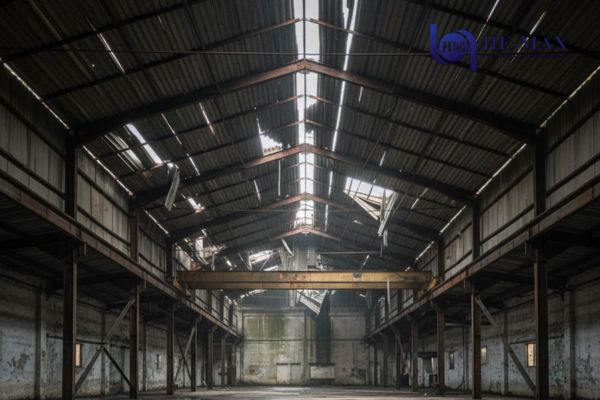
The Hidden Costs Behind “Cheap” C Purlins
At first glance, lower-priced purlins seem like a smart way to cut expenses. But here’s what builders often discover later:
- Frequent Maintenance and Repainting – Rust buildup requires constant repainting and recoating, adding labor and material costs.
- Replacement Every Few Years – A poor-quality roof system may need partial or full replacement within just 3-5 years—compared to 10-15 years for premium galvanized C purlins.
- Structural Damage and Safety Risks – Compromised purlins can cause leaks, ceiling cracks, or even collapse. Repairs often exceed initial material savings.
- Insurance Implications – Some insurers deny claims for structural failures linked to substandard materials or non-compliant suppliers.
As the saying goes, “Buy cheap, pay twice.” The upfront savings rarely offset the long-term consequences. See related discussion in Selecting High-Quality Steel Products.
How to Identify Quality C Purlins Before Buying
To avoid hidden costs and safety risks, take the time to verify product quality before buying. Here’s how to do it:
1. Check Thickness, Galvanization, and Certifications
- Thickness: Standard C purlins range from 1.2 mm to 3.0 mm, while thinner materials are less durable.
- Galvanization: Ensure it meets ASTM A653 or equivalent standards. A zinc-coating weight of 120 gsm or higher provides better corrosion resistance.
- Certifications: Look for DTI or ISO 9001 accreditation to verify manufacturing quality.
2. Request Testing and Batch Records
Reputable suppliers provide mill test certificates (MTCs) confirming chemical composition, tensile strength, and coating thickness. This transparency helps guarantee you’re getting genuine steel.
3. Evaluate Supplier Reputation
Research the supplier’s track record and client base. Check whether they’ve completed large-scale or industrial projects in the C purlins in the Philippines market. Reliable partners prioritize long-term relationships, not one-time sales.
Read more in Questions to Ask Your Steel Supplier and How to Choose the Right Steel Importer in the Philippines.
4. Inspect Physical Condition
When materials arrive, check for dents, scratches, or uneven coatings. These are signs of poor storage or production standards.
Why Choosing a Trusted Supplier Matters
Partnering with an experienced C purlins supplier ensures not only consistent quality but also peace of mind throughout your project.
- Consistent Quality and Accurate Sizing
Established manufacturers invest in precision roll-forming machines that guarantee uniform dimensions across batches. This accuracy simplifies installation and ensures structural reliability. - Technical Support and After-Sales Service
A reliable supplier doesn’t stop delivering. They offer expert guidance on roof framing materials, load capacity, and installation techniques—helping contractors achieve best performance. - Proven Project Experience
Companies like He-Max Industrial supply custom fabricated and galvanized C purlins to industrial, commercial, and residential developers across the Philippines. Their products are quality-tested to meet international standards, providing durability and value for every build.
Conclusion
Cutting costs on structural components like C purlins might seem harmless—but the real expense appears later in the form of corrosion, repairs, and safety issues. Choosing a trusted C purlins supplier in the Philippines means investing in long-term strength, reduced maintenance, and structural peace of mind.
Whether you’re building a warehouse, factory, or home, always prioritize certified materials and reputable suppliers. He-Max Industrial offers high-grade, accurately sized galvanized C purlins and other roof framing materials built to withstand the Philippine climate and meet project demands.
Learn more about our full range of steel products and fabrication services. Stay updated with the latest news and industry insights on our Facebook page.
- Trunkline: (632) 8275-3888
- Customer service hotline: 0917-1158387
- Email: hemaxsales@gmail.com
FAQs
1. What happens if you use substandard C purlins in roof framing?
They can bend, corrode, or fail under load—leading to costly repairs or safety hazards. Poor galvanization also accelerates rust, especially in humid areas.
2. How can poor-quality C purlins affect roof strength and lifespan?
Low-grade steel weakens structural support, reducing roof durability from 10-15 years to just 3-5 years. Over time, this leads to leaks, misalignment, and premature replacement.
3. Are galvanized C purlins worth the extra cost?
Yes. Their zinc coating protects against rust and moisture, offering a longer lifespan and lower maintenance cost—especially in coastal or high-humidity regions.
4. Where can I buy reliable C purlins in the Philippines?
He-Max Industrial is a trusted C purlins supplier offering certified, high-quality materials with complete fabrication and delivery support.