The automotive industry in the Philippines is both fast-paced and demanding. From bustling assembly lines to specialized custom fabrication shops, the one constant is the need for superior materials. The performance, safety, and longevity of any vehicle begin with its most fundamental component: steel. This makes the process of choosing a reliable steel supplier in the Philippines not just a procurement task, but a critical strategic decision for any automotive project.
The right automotive steel ensures a car can withstand the rigors of a cross-country drive, resist the humid Philippine climate, and, most importantly, protect its occupants. Using poor-quality materials just is not an option. This guide will walk you through everything you need to know about sourcing high-quality automotive steel, from understanding the diverse types to evaluating and partnering with the best suppliers in the country.
Understanding Automotive Steel and Its Applications
To source the right materials, you must first know exactly what you need. The term auto steel refers to a wide range of specialized steel products engineered specifically for the demands of vehicle manufacturing. It is not a one-size-fits-all material; it is a family of advanced alloys designed for strength, weight reduction, and safety.
What is Automotive Steel?
Automotive steel is known for its outstanding strength-to-weight ratio. Modern vehicles need to be fuel-efficient and safe; a balance achieved through advanced materials. The primary types you will encounter include:
- Advanced High-Strength Steels (AHSS): These are complex, sophisticated alloys designed to offer superior strength without adding excess weight. They are crucial for structural components like safety cages, pillars, and bumpers, where absorbing impact energy is vital.
- Mild Steel: A cost-effective and highly formable steel used for less critical components where extreme strength is not the primary requirement.
- Stainless Steel: Valued for its exceptional corrosion resistance and aesthetic appeal.
Here is a quick comparison of common types of steel automotive products:
| Steel Type | Primary Characteristics | Common Automotive Application |
| Advanced High-Strength Steel (AHSS) | Extremely high tensile strength, excellent energy absorption, and lightweight. | Safety cage, pillars, bumpers, and door intrusion beams. |
| Automotive Stainless Steel | Superior corrosion resistance, heat resistance, and polished finish. | Exhaust systems, trim, fuel tanks, decorative elements. |
| Mild Steel / Carbon Steel | Highly formable, weldable, cost-effective. | General body panels, brackets, and non-structural parts. |
Common Automotive Steel Products
Various parts of a vehicle require different properties. A skilled supplier will provide specialized products for each application.
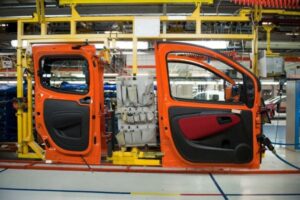
- Vehicle Sheet Metal: This is what forms the “skin” of the car—the doors, hood, trunk lid, and fenders. High-quality vehicle sheet metal needs to be smooth for a perfect paint finish and ductile enough to be stamped into complex shapes without cracking. It must also have good dent resistance.
- Car Alloy: When engineers talk about a car alloy, they’re often referring to the specialized steels used for the chassis and structural frame. These alloys provide the vehicle’s core strength and rigidity, influencing its handling, stability, and crash performance. They need to be incredibly strong and durable.
- Automotive Stainless Steel: Given the Philippines’ high humidity and proximity to saltwater in many areas, corrosion is a major concern. Automotive stainless steel is the perfect solution for components exposed to the elements and high heat, most notably the entire exhaust system, which must endure moisture, road salt, and extreme temperatures.
Key Qualities of High-Quality Automotive Steel
When assessing steel from a supplier, you are seeking more than just a basic material. You are looking for a guarantee of performance. Here are the non-negotiable qualities to demand:
- Tensile Strength and Durability: This is a measure of the steel’s ability to resist being pulled apart. High tensile strength is crucial for safety components that must maintain their integrity during a collision. Durability means the material can endure millions of stress cycles throughout a vehicle’s lifespan.
- Corrosion Resistance: The battle against rust is relentless, especially in a tropical climate. High-quality steel should be properly treated, coated, or inherently resistant (like stainless steel) to prevent degradation that can compromise both appearance and structural safety.
- Consistency in Thickness and Finish: Inconsistent sheet metal thickness can ruin stamping dies and result in ill-fitting body panels. A uniform, clean finish is essential for proper paint adhesion and a flawless final product. A top-tier supplier ensures every sheet and coil meets exact specifications.
- Formability and Weldability: Modern vehicles are built using automated processes. The steel must be compatible with advanced fabrication methods like robotic welding, laser cutting, and hydroforming. Poor weldability can lead to weak joints, a critical safety failure point.
How to Evaluate and Choose a Steel Supplier in the Philippines
Finding a supplier is easy; finding the right partner takes diligence. Your evaluation process should go beyond the price list.
1. Check for Certifications and Quality Standards
A reputable supplier will operate under internationally recognized quality management systems.
- Look for ISO 9001:2015 certification. This demonstrates their commitment to consistent quality and customer satisfaction.
- Inquire about compliance with Philippine National Standards (PNS). This ensures the products are suitable and legal for local use.
- Ask for Material Test Certificates (MTCs) with every batch to verify the steel’s chemical composition and mechanical properties.
2. Assess Their Product Range and Specialization
Do they understand the automotive industry? A general steel stockist may not have the specific grades or expertise you need. A specialized steel automotive supplier, like Hemax Industrial, will have deep knowledge of the materials required for different vehicle components and can provide guidance on selecting the optimal grade for your project.
3. Review Their Record and Industry Experience
Ask for case studies or references from other clients in the automotive sector. An experienced supplier will understand the industry’s strict timelines, quality demands, and logistical challenges. Their experience is an asset that can help you avoid common pitfalls.
4. Inquire About Their Supply Chain and Logistics
Can they deliver on time, every time? A delay in your steel supply can bring your entire production line to a halt. Discuss their:
- Inventory levels: Do they keep sufficient stock of common automotive grades?
- Lead times: How long does it take to source specialized alloys?
- Delivery network: Can they efficiently deliver to your location anywhere in the Philippines?
The Sourcing Process: A Step-by-Step Approach
1. Define Your Requirements: Be incredibly specific. Know the exact grade, thickness, width, coating, and mechanical properties you need for each component.
2. Research and Shortlist Suppliers: Identify a list of potential partners. A professional steel supplier in the Philippines will have a comprehensive website detailing their products and services.
3. Submit a Request for Quotation (RFQ): Provide your detailed specifications and request pricing, lead times, and sample Material Test Certificates.
4. Request and Test Samples: Before placing a large order, always assess a sample of the material. Verify its properties in your own facility to ensure it meets your fabrication and performance standards.
5. Build the Partnership: Choose a supplier who acts like a partner, not just a vendor. They should be invested in your success, offering technical support and reliable service.
Conclusion
In the competitive world of automotive manufacturing and repair, cutting corners on materials is a recipe for failure. The structural integrity, safety rating, and long-term durability of a vehicle are directly tied to the quality of the auto steel used in its construction.
Sourcing these critical materials requires a partnership with an expert steel supplier in the Philippines—one that understands the unique demands of the industry, values quality primarily, and has a proven history of reliability. By prioritizing technical expertise, verifiable quality standards, and a robust supply chain, you ensure your projects are built on a foundation of strength and excellence.
Ready to Source High-Quality Automotive Steel?
Choosing the right steel supplier in the Philippines can transform the way you build, repair, or manufacture vehicles. At He-max Industrial, we provide premium-grade automotive stainless steel, vehicle sheet metal, and car alloy solutions designed to meet the demanding standards of today’s automotive industry.
- Consistent quality backed by certifications.
- Corrosion-resistant steel ideal for Philippine conditions
- Reliable delivery and supply chain support
- Expert guidance on material selection
Contact our team today to discuss your automotive steel requirements and discover how we can help you achieve durability, performance, and cost efficiency in every project.
For more information or inquiries, feel free to contact us at:
- Trunkline: (632) 8275-3888
- Customer service hotline: 0917-1158387
- Email: hemaxsales@gmail.com