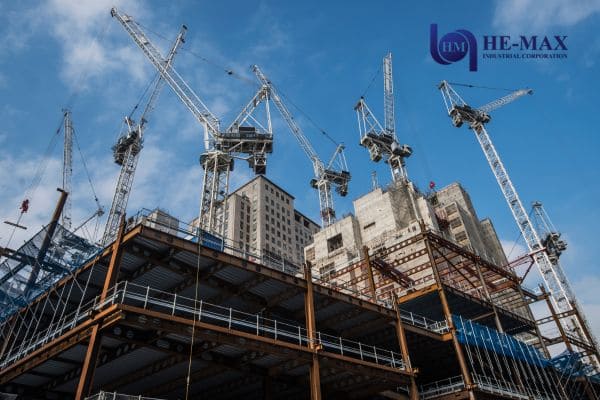
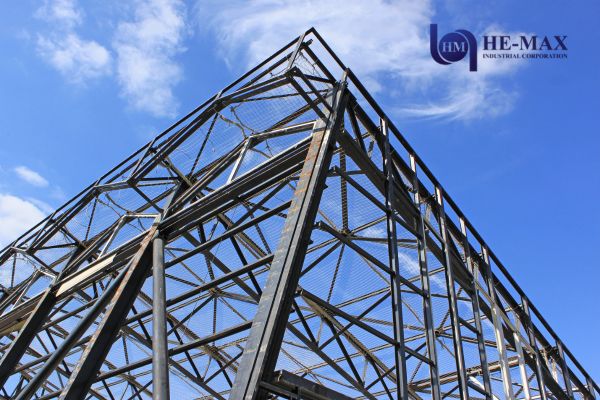
Steel plays a fundamental role in shaping the built environment, supporting everything from high-rise towers to industrial plants, bridges, and commercial complexes. Its strength, flexibility, and cost-efficiency make it a material of choice in modern construction across the Philippines and beyond.
Yet, despite its widespread use, one critical factor is often overlooked: steel quality assurance (QA). While design, cost, and timelines frequently dominate construction planning, neglecting steel QA can compromise the entire structural foundation, putting safety, durability, and compliance at serious risk.
In this article, we’ll explore why quality assurance in steel sourcing and usage isn’t just a technical detail—it’s a project-defining element. You’ll learn:
- What steel QA involves and how it’s implemented
- Why QA is essential for safety, cost control, and regulatory compliance
- Common issues in low-quality steel
- Best practices and how to choose a reliable steel supplier in the Philippines
Understanding Steel Quality Assurance (QA)
What is Steel QA?
Steel quality assurance refers to the process of validating whether steel materials used in a construction project meet the required strength, safety, and performance standards. It includes protocols for material testing, traceability, and compliance with regulatory requirements.
Key Components of Steel QA
- Material Testing – Includes tensile strength, yield strength, impact toughness, and chemical composition checks.
- Mill Test Certificates (MTCs) – Provide proof of origin, batch quality, and specifications from the steel mill.
- Third-Party Certifications – Assurance from independent auditors that the product meets recognized standards.
Industry Standards and Regulatory Bodies
Steel quality is often measured against international and local standards, including:
- ASTM International – Standards for structural steel (e.g., ASTM A36, A572)
- ISO 9001 – Certification for quality management systems in steel manufacturing
- Philippine National Standards (PNS) – Local codes that align with international steel construction standards
Why Steel QA Matters in Construction
A. Safety and Structural Integrity
The most important reason for enforcing quality assurance is safety. Buildings and infrastructure rely heavily on steel to provide structural support. Using low-grade or non-compliant steel increases the risk of:
- Structural failure
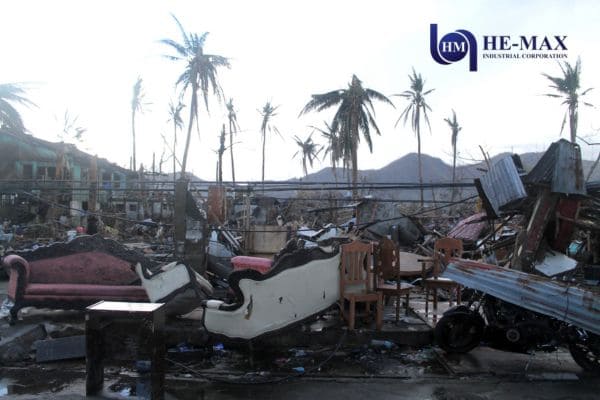
- Collapse during natural disasters such as earthquakes or typhoons
- Cracks or stress fractures develop over time due to poor load resistance
In a country like the Philippines, where seismic activity and extreme weather are common, QA in structural steel is not optional—it’s essential.
B. Project Longevity and Cost-Efficiency
Quality steel reduces the need for costly rework and maintenance. Investing in compliant steel from the start ensures:
- Fewer repairs and longer lifespan of structures
- Lower total cost of ownership across the building’s lifecycle
- Minimized delays due to defective or rejected materials
Steel that fails structural steel testing may pass unnoticed—until it causes long-term damage or requires complete replacement.
C. Compliance with Building Codes and Regulations
Construction projects must comply with:
- National Building Code of the Philippines
- Philippine National Standards (PNS)
- International standards referenced in structural design manuals
Failure to comply due to poor-quality steel can result in:
- Legal and financial penalties
- Project delays and insurance claims denials
- Suspension or rejection of building permits
Proper QA helps align with both structural and legal obligations, providing peace of mind for developers and contractors.
Common Quality Issues in Steel Products
Even experienced contractors may encounter steel-related issues that compromise project success. Some common problems include:
- Substandard or counterfeit steel – Uncertified steel with false documentation is still a threat in the local market.
- Corrosion and rust – Caused by improper storage, transportation, or lack of protective coating.
- Inconsistent mechanical properties – Variability in tensile strength, ductility, or chemical composition leads to unpredictable performance.
To prevent these risks, construction companies must proactively verify the steel’s quality and traceability before installation.
Best Practices for Ensuring Steel Quality
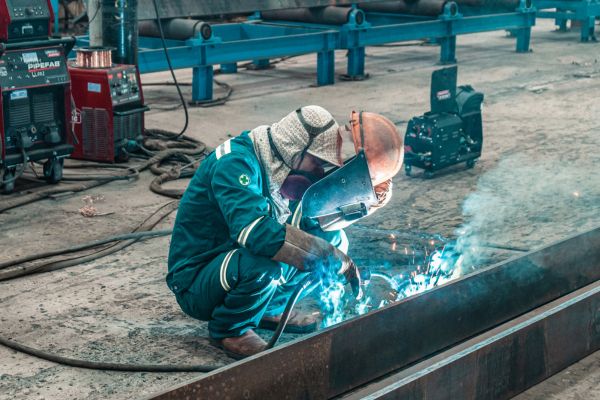
Ensuring quality assurance requires coordination between developers, contractors, and your steel supplier in the Philippines. Here’s how to protect your project:
- Partner with trusted suppliers – Choose ISO-certified suppliers with a proven reputation for compliance and testing.
- Always request Mill Test Certificates (MTCs) – These should be traceable to specific heat numbers and manufacturing lots.
- Conduct third-party structural steel testing – Engage accredited testing laboratories for independent verification.
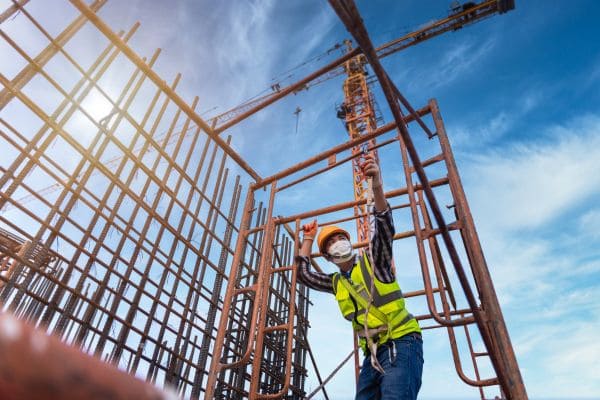
- Implement on-site inspections and audits – Inspect deliveries before acceptance and regularly audit supplier practices.
- Develop a quality management plan in construction – Integrate steel QA checkpoints into the overall construction QA/QC process.
Don’t Compromise on Quality — Partner with He-Max Industrial Today
At He-Max Industrial, we understand that your project’s success depends on the quality of every beam, bar, and plate. That’s why we’ve built our reputation on rigorous steel quality assurance.
Why Choose He-Max Industrial?
- ISO-Certified Quality Management System – Adheres to globally recognized QA practices
- Comprehensive Product Testing – Every batch is tested for strength, durability, and chemical integrity
- Reliable Documentation and Traceability – Mill test certificates, compliance papers, and delivery logs are readily available
Whether you’re constructing a commercial complex, a warehouse, or an industrial facility, we help ensure your steel meets the highest standards—every time.
For more information or inquiries, feel free to contact us at:
- Trunkline: (632) 8275-3888
- Customer service hotline: 0917-1158387
- Email: hemaxsales@gmail.com