The Philippines experiences an average of 20 tropical cyclones per year, according to the Philippine Atmospheric, Geophysical and Astronomical Services Administration (PAGASA). Many of these storms bring destructive winds exceeding 200 km (about 124.27 mi)/h, heavy rainfall, and flooding. In this environment, typhoon resilience is not optional—it is essential.
For developers, engineers, and contractors, the choice of materials directly affects structural safety. This is where working with a reliable steel importer in the Philippines and trusted suppliers becomes critical. High-quality steel materials for construction provide the strength, flexibility, and durability needed to withstand extreme weather conditions.
Simply put: stronger materials mean safer buildings.
What Is Typhoon-Resistant Construction?
Typhoon-resistant construction refers to building design and material selection strategies that allow structures to withstand intense winds, heavy rain, flying debris, and flooding.
In the Philippine climate, this involves:
- Reinforced structural frameworks
- Wind-resistant roofing systems
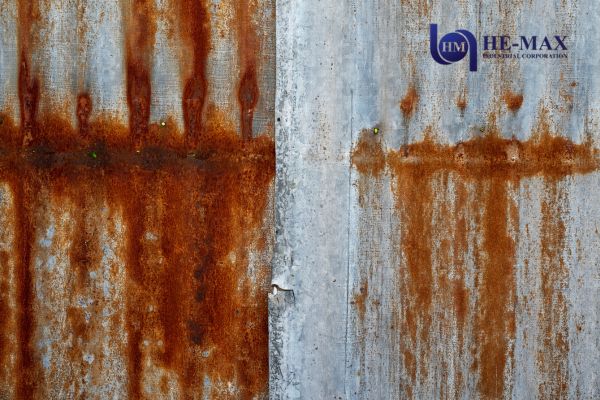
- Corrosion protection against moisture and salt air
- Secure anchoring systems
The National Structural Code of the Philippines (NSCP) provides guidelines on wind load calculations and structural requirements. These standards are designed to reduce damage and protect lives.
Why It Matters in the Philippines
The country’s geography makes it highly vulnerable to:
- Strong coastal winds
- Storm surges
- High humidity and corrosion
- Seismic activity combined with typhoons
As a result, steel construction in the Philippines continues to evolve toward stronger, more resilient structural systems.
Why Is Steel Important in Typhoon-Resistant Construction?
Steel plays a significant role because of three core advantages: strength, flexibility, and durability.
1. Strength
Steel has a high strength-to-weight ratio. This means it can carry heavy loads without excessive bulk. During a typhoon, buildings experience:
-
- Uplift forces on roofs
- Lateral wind pressure on walls
- Impact from debris
Structural steel supplier in the Philippines companies provide beams, columns, and reinforcements engineered to resist these forces effectively.
2. Flexibility
Unlike brittle materials, steel can bend slightly without breaking. This flexibility allows buildings to absorb wind energy rather than collapse under sudden pressure.
Engineers often describe steel as “ductile”—a property that improves structural performance during extreme conditions.
3. Durability
With proper coatings and galvanization, corrosion resistant steel performs well in high-humidity and coastal environments. This is especially important in provinces exposed to saltwater.
When sourced from a reputable steel supplier in the Philippines, treated steel can last decades with minimal maintenance.
What Is the Best Steel for Typhoon-Resistant Buildings in the Philippines?
The best steel depends on the structure’s purpose and location. However, three types are commonly used for typhoon resilience:
1. Structural Steel
Best for:
- High-rise buildings
- Commercial complexes
- Industrial warehouses
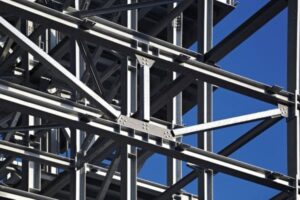
Structural steel forms the backbone of modern steel construction in the Philippines. It includes:
- Wide flange beams
- H-beams
- Columns
- Reinforcement bars
Its engineered strength makes it ideal for handling wind loads.
2. Galvanized Steel
Best for:
- Roofing systems
- Exterior frameworks
- Coastal properties
Galvanized steel is coated with zinc to prevent rust. In high-rainfall areas, this added protection significantly improves longevity.
3. High-Tensile Steel
Best for:
- Heavy-duty structural components
- Bridges
- Critical infrastructure
High-tensile steel offers superior load-bearing capacity while keeping flexibility. It is often used in large-scale projects where wind resistance is crucial.
What is the best steel for typhoon-resistant buildings in the Philippines?
In most cases, a combination of structural steel for the framework and galvanized or corrosion resistant steel for exposed components provides best protection.
How Steel Helps Buildings Withstand Strong Winds
The Engineering Behind It
Typhoon winds create three major stresses:
- Uplift Force – Wind lifts roofs upward.
- Lateral Force – Wind pushes against walls.
- Impact Force – Debris strikes surfaces.
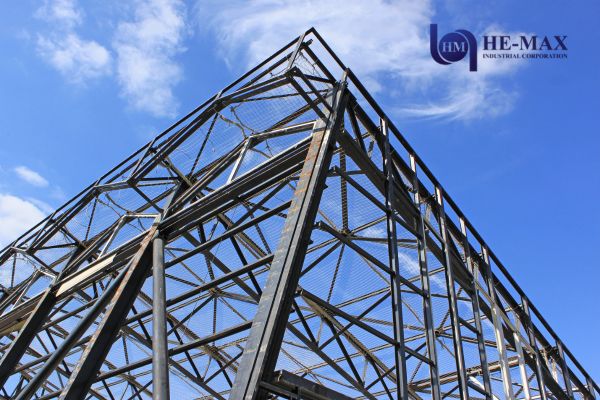
Steel frameworks are anchored to foundations using bolts and welds that distribute these forces evenly throughout the structure.
Unlike wood or light materials, steel does not easily splinter or detach under impact.
Real-World Applications in the Philippines
- Industrial warehouses in economic zones use steel trusses for roof stability.
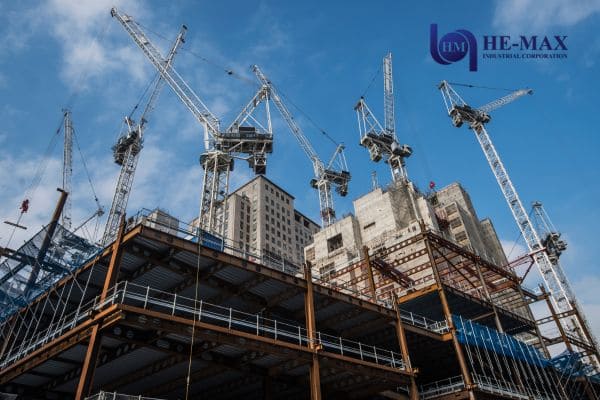
- High-rise buildings in Metro Manila rely on structural steel frames for lateral resistance.
- Coastal resorts use corrosion resistant steel to prevent long-term weakening.
For contractors managing large-scale projects across regions, working with a trusted steel importer in the Philippines ensures consistent quality and availability.
Why Work with He-Max Industrial Corporation
Typhoon resilience starts with material quality.
He-Max Industrial is a reliable steel supplier in the Philippines serving infrastructure, industrial, and commercial projects nationwide. As a trusted steel importer in the Philippines, the company provides:
- Wide range of structural steel products
- High-quality steel materials for construction
- Consistent supply chain support
- Competitive pricing
- Reliable delivery across Luzon and beyond
In a climate where structural integrity can mean the difference between minor damage and catastrophic loss, partnering with an experienced structural steel supplier in the Philippines is essential.
Conclusion
In a country often affected by storms, typhoon-resistant construction is not just smart but necessary. Steel is still the most reliable material for creating structures that withstand intense winds, moisture, and long-term environmental stress.
Choosing the right steel importer in the Philippines ensures your project uses certified, high-quality materials designed for resilience. From structural frameworks to corrosion resistant steel roofing systems, the right steel makes all the difference.
For builders, engineers, and developers who prioritize safety and long-term performance, partnering with a trusted structural steel supplier in the Philippines like He-Max Industrial is a strategic investment in durability and peace of mind.
Getting in Touch with He-Max Industrial
Trunkline: (632) 8275-3888
Customer Service Hotline: 0917-1158387
Email: hemaxsales@gmail.com
Reach out today to discuss your project requirements and secure high-quality steel solutions built for the Philippine climate.