Steel is one of the most widely used construction materials in the country — from roofing and walling to industrial fabrication. Yet many builders, contractors, and homeowners ask the same question: Why do steel sheets rust so fast in the Philippines?
The short answer: climate, environment, and handling practice all work against unprotected steel. In this guide, we’ll break down exactly why corrosion happens faster locally, what accelerates the process, and — most importantly — what you can do to extend the lifespan of steel sheets.
This guide breaks down why steel sheets rust faster in the Philippines, what factors speed up corrosion, and what practical steps you can take to extend their lifespan — helping you make smarter, more informed decisions when sourcing from a steel supplier in the Philippines business can rely on.
What Causes Steel Sheets to Rust in the Philippines?
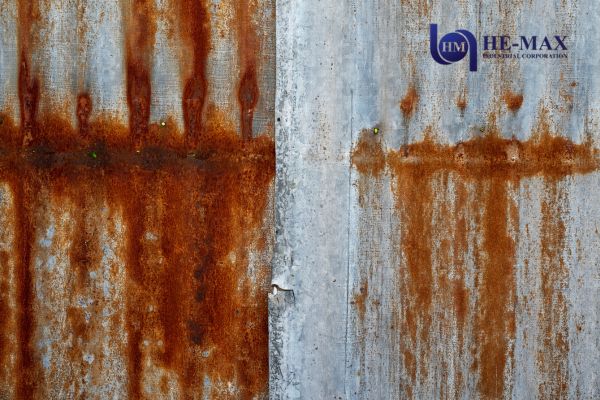
Steel rusts when iron reacts with oxygen and moisture. In the Philippines, the conditions for corrosion are almost always present.
High Humidity and Heavy Rainfall
The Philippines is humid all year. On average, humidity stays between 71% and 85%, which means there’s almost always moisture in the air.
When this warm, humid air touches steel, it creates condensation — even on days without rain. This keeps steel surfaces damp for extended periods, allowing rust to form much faster than in drier climates.
In practical terms:
- Steel stored outdoors can rust in days, not months
- Covered but poorly ventilated storage still traps moisture
- Thin steel sheets rust faster than thicker plates
- This is why steel protection matters just as much as steel choice.
Salt Air in Coastal Areas
If your project is near the coast, corrosion happens even faster.
Salt particles in sea air act as electrolytes, accelerating the chemical reaction that causes rust. This is known as salt-induced corrosion, and it’s especially aggressive.
Areas most affected include:
- Metro Manila (especially bayside areas)
- Batangas
- Cavite
- Cebu
- Iloilo
- Davao coastal zones
Even galvanized steel sheets can corrode prematurely in these environments if the zinc coating is thin or damaged.
Poor Storage and Handling Practices
Many steel sheets start rusting before they’re even installed.
Common issues include:
- Steel left exposed to rain at construction sites
- Water pooling between stacked sheets
- Sheets placed directly on soil or concrete
- Plastic covers trapping moisture underneath
When steel sheets are stacked flat, and water enters between layers, capillary action traps moisture, causing rust to form from the inside out — often unnoticed until installation.
Proper handling is just as critical as buying from a reputable structural steel supplier.
Low-Quality or Inconsistent Coatings
Not all coatings are created equally.
Some low-cost steel products used:
- Thin zinc layers
- Painted coatings instead of proper galvanization
- Inconsistent coating thickness
Painted steel may look protected, but once scratched or chipped, rust spreads rapidly underneath the paint.
By contrast, true galvanized steel sheets use a zinc coating that corrodes before the steel does, acting as a sacrificial barrier.
Quality standards — and supplier accountability — make a massive difference in real-world performance.
How Can You Prevent Steel Sheets from Rusting?

While rust can’t be eliminated entirely, it can be significantly slowed down with the right approach.
Choose the Right Steel Type
Start with the correct material for your environment.
Best options include:
- Galvanized steel sheets – Ideal for roofing, cladding, and general construction
- Stainless steel – Higher cost, but excellent for coastal or high-moisture environments
- Weather-resistant steel – Designed for controlled corrosion in structural applications
If you’re comparing materials, don’t look at steel price in the Philippines listings alone — consider total lifespan cost.
Store and Handle Steel Properly
Good storage can add years to steel’s service life.
Best practices:
- Store steel in a covered, well-ventilated area
- Elevate sheets off the ground using pallets
- Stack with spacers to allow airflow
- Avoid plastic covers that trap moisture
- Tilt stacks slightly to prevent water pooling
These steps are simple but often overlooked — and they make a real difference.
Maintain Steel Regularly
Maintenance slows corrosion dramatically.
Basic maintenance routine:
- Inspect steel surfaces regularly
- Clean dirt, salt, and debris with fresh water
- Dry surfaces thoroughly
- Treat early rust spots with rust converters
- Recoat exposed areas with protective primers
Early intervention prevents minor oxidation from becoming structural damage — especially important for steel plate in the Philippines applications used in load-bearing structures.
How He-Max Industrial Helps Extend Steel Lifespan
Choosing the right supplier is one of the most effective ways to prevent premature rust.
At He-Max Industrial, corrosion resistance starts before the steel reaches your site.
What sets He-Max apart:
- Carefully sourced materials from vetted structural steel manufacturers
- Consistent coating quality and thickness
- Expert guidance on steel selection based on application and environment
- Local support for handling, storage, and usage recommendations
- Transparent product specifications you can trust
As an experienced steel supplier in the Philippines contractors rely on, He-Max focuses on long-term performance — not just upfront cost.
Frequently Asked Questions (FAQ)
- Why do steel sheets rust so fast in the Philippines?
Because of high humidity, frequent rainfall, salt air in coastal regions, and improper storage, steel is constantly exposed to moisture — the main trigger for corrosion. - Is galvanized steel rust-proof?
No. Galvanized steel is rust-resistant, not rust-proof. The zinc coating protects the steel, but once it wears down or is damaged, corrosion can still occur — especially in harsh environments. - Does higher steel price mean better rust resistance?
Not always. Price should reflect coating quality, material grade, and manufacturing standards. Buying from a trusted supplier matters more than price alone. - How long should galvanized steel last in the Philippines?
With proper coating, storage, and maintenance, galvanized steel can last 10–25 years, even in local conditions.
Conclusion
Steel rusts faster in the Philippines — but it doesn’t have to fail early.
By understanding the causes of corrosion, choosing the right materials, and working with a reputable structural steel supplier, you can dramatically extend the life of your steel investment.
If durability, reliability, and expert guidance matter to your project, He-Max Industrial provides steel solutions built for Philippine conditions — not just global specs.
Explore our full range of steel products and services by visiting our website. Stay updated with the latest news and industry insights on our Facebook page.
Trunkline: (632) 8275-3888
Customer service hotline: 0917-1158387
Email: hemaxsales@gmail.com