Construction delays are one of the most common—and costly—challenges in the Philippine construction industry. Projects that are supposed to take months can stretch into years, affecting budgets, timelines, and stakeholder trust.
So, what causes construction delays in the Philippines?
The main causes include material shortages, poor planning, unreliable suppliers, labor issues, weather disruptions, and allow delays.
These delays matter because they directly change:
- Project costs (extended labor and overhead)
- Business reputation (missed deadlines)
- Investment returns (delayed turnover and operations)
For developers, contractors, and builders sourcing from a steel importer in the Philippines or a steel supplier in the Philippines, understanding these causes is critical to staying on schedule and within budget.
What Causes Construction Delays in the Philippines?
Construction delays in the Philippines are mainly caused by material shortages, unreliable suppliers, poor project planning, weather disruptions, labor shortages, and slow allow approvals. These issues often overlap—when materials from a steel supplier in the Philippines arrive late or coordination fails, even a minor problem can quickly delay the entire project timeline.
1. Material Shortages and Supply Chain Disruptions
Short answer: Projects stall when materials don’t arrive on time.
Material shortages are one of the most common reasons for delays. In the Philippines, this is often tied to:
- Import dependency for key materials like steel
- Port congestion and shipping delays
- Global supply chain disruptions
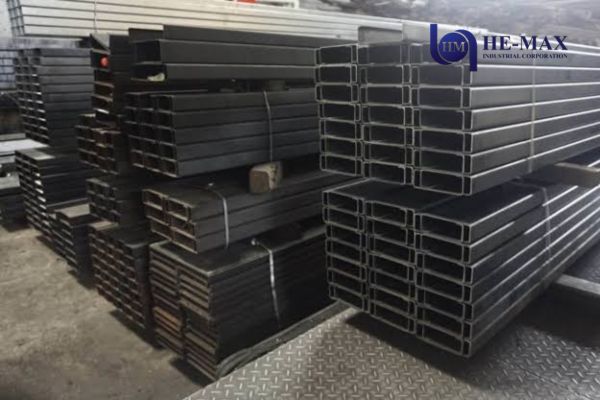
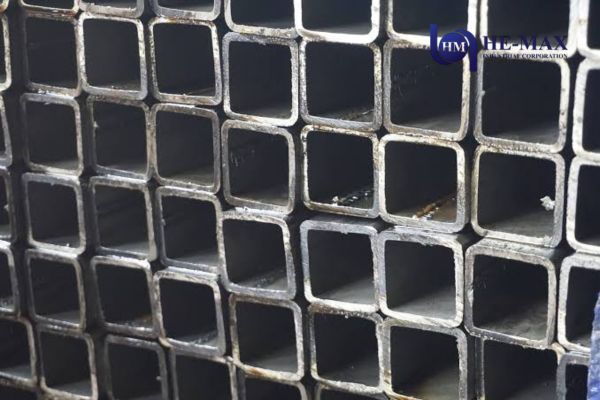
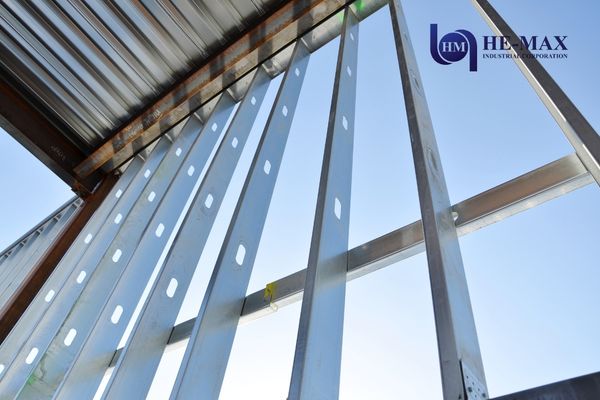
For example, delays in sourcing structural steel in the Philippines products can halt entire phases of construction. Without beams, columns, or reinforcements, work simply cannot continue.
A 2023 report from the Philippine Statistics Authority (PSA) highlighted fluctuations in construction material prices and availability, especially during global disruptions. This directly affects timelines.
Real-world example:
A mid-rise commercial project in Metro Manila experienced a 6-week delay because their first supplier did not deliver steel on time. Switching to a reliable metal supplier in the Philippines partner resolved the issue—but not without cost overruns.
2. Poor Project Planning and Coordination
Weak planning leads to avoidable delays.
Even with complete materials, poor coordination can derail progress. Common issues include:
- Inaccurate scheduling
- Overlapping tasks without proper sequencing
- Miscommunication between contractors, engineers, and suppliers
When procurement teams do not align with project timelines, materials may arrive too early (causing storage issues) or too late (causing delays).
Using digital tools like project management software or BIM (Building Information Modeling) can significantly reduce these risks.
3. Weather Conditions in the Philippines
Typhoons and heavy rains disrupt schedules.
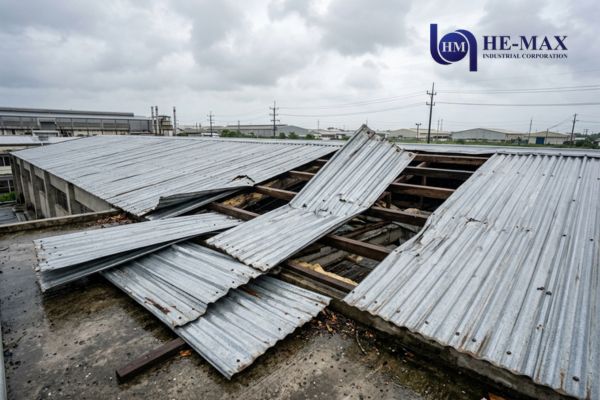
The Philippines experiences an average of 20 typhoons annually, according to PAGASA (Philippine Atmospheric, Geophysical and Astronomical Services Administration).
Weather-related delays include:
- Flooded construction sites
- Unsafe working conditions
- Damaged materials or equipment
Rainy seasons can halt excavation, foundation work, and structural installation. Even high-quality materials from a stainless steel supplier in the Philippines can be affected if not safely stored.
Tip: Build weather buffers into your timeline, especially for projects starting during the rainy season.
4. Labor Shortages and Workforce Issues
Not enough skilled workers slow progress.
Labor is still a critical issue in the Philippine construction sector. Challenges include:
- Shortage of skilled workers (welders, steel fabricators)
- High turnover rates
- Absenteeism
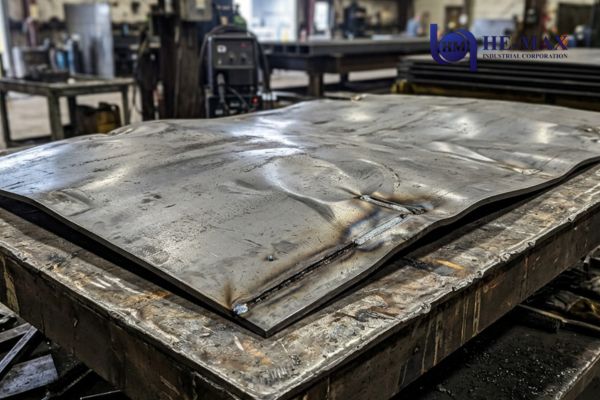
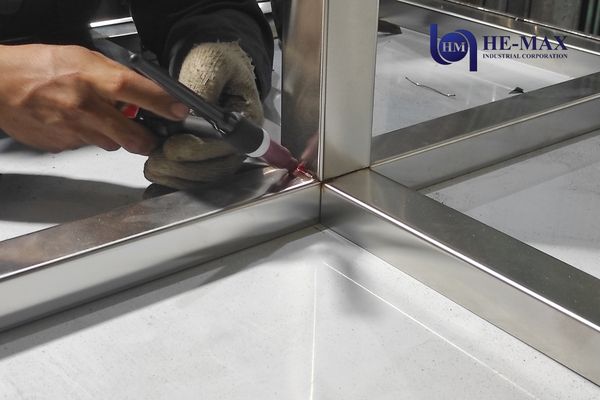
This becomes more problematic when working with specialized materials like structural or stainless steel, which require skilled handling and installation.
Example:
A contractor may have all materials ready from a steel supplier in the Philippines, but without certified welders, installation delays become inevitable.
5. Regulatory and Permit Delays
Short answer: Bureaucracy can slow projects before they even begin.
Construction in the Philippines requires multiple permits and approvals from local government units (LGUs). Delays often occur due to:
- Incomplete documentation
- Lengthy approval processes
- Changes in compliance requirements
Common permits include:
- Building permit
- Environmental compliance certificate (ECC)
- Fire safety clearance
Failure to secure these on time can delay projects by weeks—or even months.
6. Supplier Reliability and Delivery Delays
Unreliable suppliers create bottlenecks.
Not all suppliers operate with the same level of efficiency. Choosing the wrong partner can lead to:
- Late deliveries
- Inconsistent material quality
- Poor communication
This is especially critical when sourcing from a steel importer in the Philippines, where logistics and inventory management play a significant role.
Reliable suppliers ensure:
- On-time delivery
- Consistent product availability
- Clear communication
For example, working with a trusted provider like He-Max Industrial ensures access to dependable construction materials in the Philippines, reducing risk.
How to Prevent Construction Delays in the Philippines

Preventing delays requires proactive planning and smart decision-making. Here’s how you can stay ahead:
1. Work with Reliable Suppliers
Choose experienced partners for your materials. A dependable stainless steel supplier in the Philippines or steel distributor ensures consistent delivery and quality.
2. Plan Procurement Early
Avoid last-minute sourcing. Instead:
- Forecast material needs in advance
- Secure supply contracts early
- Monitor inventory levels
This is especially important for imported materials like structural steel.
3. Use Buffer Timelines
Always add contingency time for:
- Weather disruptions
- Delivery delays
- Labor shortages
A realistic timeline prevents unnecessary pressure and cost overruns.
4. Strengthen Communication
Clear communication between teams is essential.
Best practices include:
- Weekly coordination meetings
- Centralized project updates
- Real-time tracking tools
5. Monitor Supplier Performance
Track key metrics such as:
- Delivery timelines
- Product quality
- Responsiveness
If a supplier consistently underperforms, consider switching to a more reliable metal supplier in the Philippines.
Why Choosing the Right Steel Supplier Matters
Your supplier can make or break your project timeline. Here’s why:
Reliable Sourcing
A trusted steel supplier in the Philippines ensures materials are always available when needed.
Quality Assurance
High-quality steel reduces the risk of rework, structural issues, and safety concerns.
Timely Delivery
On-time delivery keeps your project moving forward without costly interruptions.
Industry Expertise
Experienced suppliers understand local challenges—from logistics to compliance—and can offer practical solutions.
Conclusion
Construction delays in the Philippines are often caused by a mix of material shortages, poor planning, weather disruptions, labor issues, regulatory delays, and unreliable suppliers. While some factors—like weather—are unavoidable, many delays can be prevented with better planning and smarter sourcing decisions.
Working with a reliable steel importer in the Philippines or trusted provider of construction materials in the Philippines is one of the most effective ways to reduce risk. By choosing the right partners, planning, and supporting strong coordination, you can keep your project on track and within budget.
For dependable supply and expert support, consider partnering with He-Max Industrial—a trusted name in structural steel in the Philippines and beyond.
Contact He-Max Industrial
Trunkline: (632) 8275-3888
Customer Service Hotline: 0917-1158387
Email: hemaxsales@gmail.com