In the dynamic world of steel fabrication in the Philippines, choosing the right material is the first and most critical step in ensuring structural integrity. Whether you are erecting a high-rise in Metro Manila or a warehouse in Bulacan, the debate often comes down to two fundamental manufacturing methods: cold forming and hot forming.
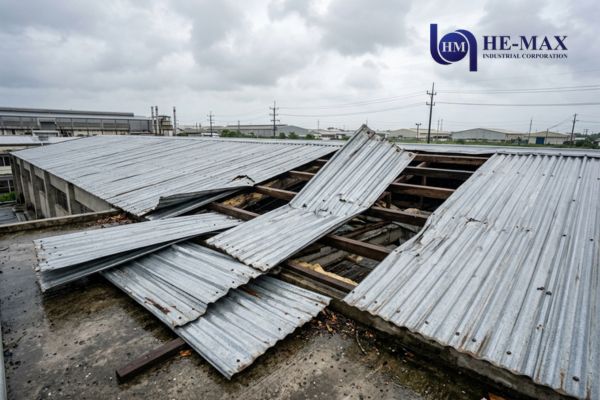
The distinction between these two processes isn’t just a matter of temperature; it dictates the strength, finish, and overall performance of the steel in your project. For Philippine fabricators and structural engineers, understanding these nuances is essential for balancing safety with cost-efficiency. Using the wrong type can lead to unnecessary expenses or, worse, structural vulnerabilities in a country prone to seismic activity and typhoons.
What is the difference between cold forming and hot forming steel?
Simply put, the difference lies in the temperature at which the metal is shaped. Hot forming involves rolling the steel at temperatures above its recrystallization point (usually over 1700°F), making it highly malleable. Cold forming occurs at or near room temperature, where the steel is compressed or bent into shape, resulting in increased strength through a process called work hardening.
What Is Cold Forming?
Cold forming, also known as sheet metal forming, is a process where steel is shaped while cold. This is typically done through rolling, pressing, or stamping thin sheets or strips of steel. Because the steel is not heated, it doesn’t expand and contract like hot steel, allowing for incredible precision.
Common Cold-Formed Steel Products
You’ll find cold formed steel Philippines-wide in lightweight applications. Common products include:
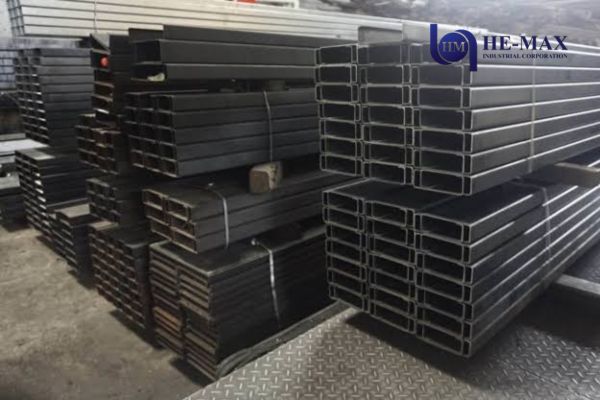
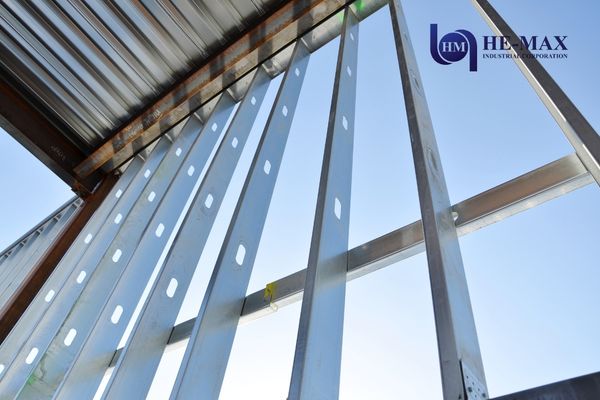
- C and Z Purlins: Essential for roofing systems.
- Light Gauge Channels and Rails: Used for wall studs and floor joists.
- Corrugated Sheets: The backbone of residential and commercial roofing.
Key Mechanical Properties
One of the most significant traits of cold-formed steel is its higher yield strength. The mechanical stress applied during the steel forming process actually hardens the metal. It also boasts tighter tolerances, meaning the dimensions are consistent and the edges are sharp and clean.
Typical Applications in Philippine Construction
In the local market, cold-formed steel is the go-to for roofing systems and light steel framing. Its high strength-to-weight ratio makes it ideal for residential housing and modular construction where speed and ease of handling are prioritized.
Advantages and Limitations
- Advantages: Lightweight, high precision, and easy to transport to remote provincial sites.
- Limitations: It is thinner than hot-formed steel, meaning it cannot support massive structural loads on its own and is more susceptible to buckling if not engineered correctly.
What Is Hot Forming?
Hot formed steel is the heavy hitter of the construction industry. The process involves heating the steel until it is red-hot and glowing, then passing it through large rollers to achieve the desired shape.
Common Hot-Formed Steel Products
These are the “big” sections used in heavy infrastructure:
- Wide Flange Beams (H-beams and I-beams): The skeleton of skyscrapers.
- Angle Bars and Flat Bars: Versatile components for bracing.
- Steel Plates and Sheet Piles: Vital for foundations and retaining walls.
Key Mechanical Properties
Hot-formed steel is prized for its ductility and toughness. Because it is processed at high temperatures, the finished product is free from internal stresses. It is much thicker than cold-formed steel, allowing it to withstand extreme compression and tension.
Typical Applications in Philippine Construction
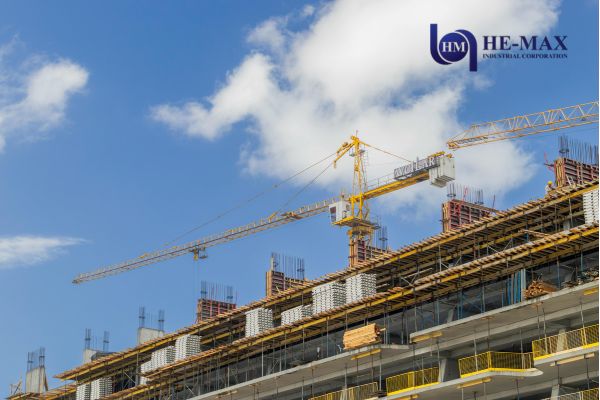
You will see hot-formed sections in primary structural frames, large industrial buildings, bridges, and major government infrastructure projects. If a building needs to support dozens of floors, it is almost certainly built with hot-rolled wide flanges.
Advantages and Limitations
- Advantages: Capable of bearing immense loads; highly weldable and easier to work with in heavy fabrication.
- Limitations: Less dimensional precision due to shrinkage during cooling; often has a “mill scale” or rough surface finish that may require sandblasting or painting.
Cold Forming vs. Hot Forming: A Direct Comparison
Which steel forming process is better for construction projects in the Philippines?
Neither is “better” in a vacuum; the choice depends on your project’s scale. For heavy-duty load-bearing (like a 10-story building), hot forming is necessary. For secondary members (like roof trusses and wall panels), cold forming offers better efficiency and cost savings.
Structural Load Capacity
Hot-formed steel is the clear winner for primary load-bearing. However, for “long-span” roofing—a common requirement for Philippine warehouses—cold-formed Z-purlins are often superior because they provide the necessary strength without adding excessive weight to the structure.
Material Cost and Availability
In the Philippine market, hot-rolled sections like Wide Flange beams are standard commodities. While the cost per ton of hot-rolled steel is often lower, the total project cost might be higher due to the sheer volume of material needed and the heavy machinery required for installation.
What Philippine Fabricators Actually Use — and Why
What type of formed steel do most Filipino fabricators and contractors prefer?
The local industry uses a hybrid approach. Fabricators typically use hot-formed steel for the main columns and rafters of a building, while switching to cold-formed steel for the secondary framing and roofing. This “Best of Both Worlds” strategy optimizes both safety and budget.
- Industry Preference by Project Type
- Residential: Heavily relies on cold-formed light-gauge steel for roofing and partitions.
- Commercial/Industrial: Uses hot-formed beams for the main structure to ensure earthquake resilience.
- Infrastructure: Almost exclusively hot-formed, particularly for bridges and transport hubs.
- The Rise of Modular Construction
With the recent push for faster housing solutions, the use of cold formed steel in the Philippines has surged. Modular units—often used for disaster relief or quick-build offices—utilize cold-formed sections because they can be bolted together quickly without on-site welding.
- Local Supply Influences
Availability is the ultimate decider. Many fabricators prefer products that are readily available in local warehouses to avoid the 4–6 week lead times associated with specialized imports. This is why having a reliable partner like He-Max Industrial is vital for project timelines.
Source the Right Steel for Your Fabrication Needs — He-Max Industrial
The success of your steel fabrication in the Philippines depends on the quality of your base materials. Whether your design calls for the high-precision finish of cold-formed purlins or the massive strength of hot-formed wide flanges, sourcing from a vetted supplier is non-negotiable.
He-Max Industrial is a premier steel supplier in the Philippines, providing an extensive inventory of both hot-formed and cold-formed products. We understand the unique demands of the local construction landscape—from the humidity of our coastal regions to the seismic requirements of our urban centers.
Our product range includes:
- Hot-Formed Sections: Wide flanges, channel bars, and angle bars for primary structures.
- Cold-Formed Products: C & Z Purlins and light-gauge sections for roofing and framing.
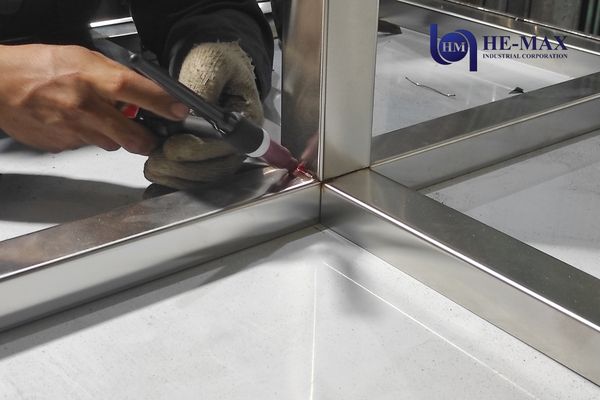
- Custom Fabrication: Base plate cutting, drilling, and bending to meet your exact project specifications.
Don’t leave your project’s structural integrity to chance. Explore our full catalog or contact our expert team today for competitive pricing and technical specifications.
Ready to start your next build?
Contact He-Max Industrial today for a quote and let us help you build a stronger Philippines, one beam at a time.