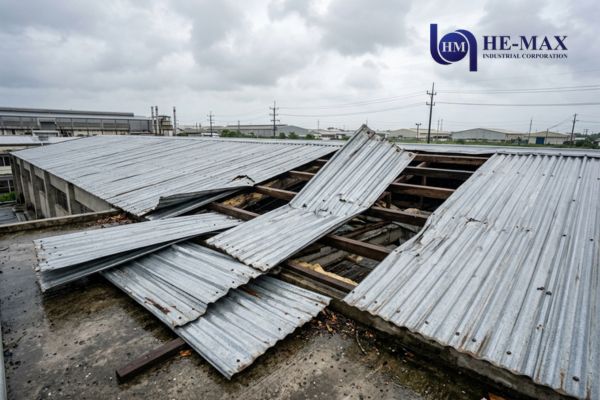
A small crack on a wall. A slightly sloping floor. A minor leak after heavy rain. These may seem harmless at first—but they are often early warning signs of serious construction issues that can lead to structural failure, costly repairs, or even safety hazards.
If you’ve ever asked, “What are signs of poor construction?” or “How can you tell if a building has structural issues?”—the answer lies in recognizing these red flags early.
In the Philippines, where soil conditions, heavy rains, and typhoons are constant factors, proper engineering and reliable sourcing from a trusted steel supplier in the Philippines or sheet pile supplier in the Philippines play a critical role in ensuring structural integrity.
This guide breaks down the 7 most common signs of poor construction—and what they mean for your property.
What Are the Common Signs of Poor Construction?
If you suspect a building isn’t up to code, look for these seven critical red flags.
1. Visible Cracks in Walls and Foundations
While “hairline” cracks can sometimes be a natural result of a building settling, large, jagged, or horizontal cracks are major red flags. These often show structural foundation problems caused by poor soil compaction or inadequate reinforcement.
- The Risk: Vertical cracks often suggest settling, but horizontal cracks usually mean the foundation is failing under lateral pressure.
- The Cause: Often, this stems from not using a professional piling contractor in the Philippines to secure the structure to stable strata.
2. Uneven or Sloping Floors
If you feel like you’re walking slightly uphill in a hallway, or if a marble rolls across the floor on its own, you have a problem. Uneven floors are rarely a “quirk” of an old building; they are usually a sign of joist failure or a shifting foundation.
3. Water Leaks and Poor Drainage
Water is the enemy of structural longevity. If you see damp spots on walls or standing water near the base of a building, the drainage system or the soil retention systems have failed.
In many Philippine construction sites, water ingress happens because the contractor didn’t effectively use a sheet pile wall construction to keep groundwater at bay during the excavation phase. Without this, moisture can seep into the concrete, rusting the internal rebar and weakening the entire skeleton.
4. Weak Retaining Walls or Soil Erosion
Retaining walls are meant to hold back earth, especially on sloped terrains. If a retaining wall is bulging or cracking, it’s a sign of immense hydrostatic pressure that wasn’t accounted for.
Professionally installed sheet piles from a reliable sheet pile supplier in the Philippines help stabilize soil and prevent structural collapse in excavation and waterfront projects. Without quality steel piling, the earth is still “active,” constantly pushing against your foundation until something gives way.
5. Low-Quality Materials Used
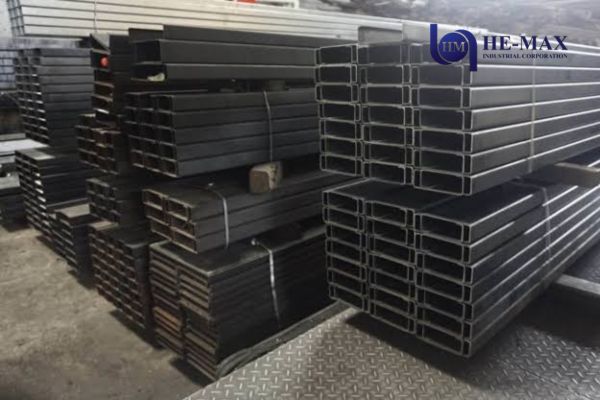
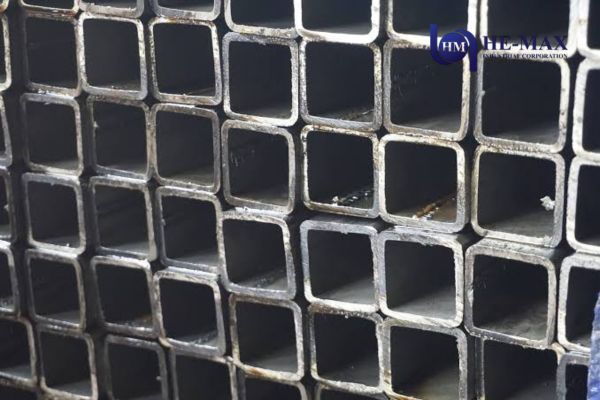
Substandard materials are a silent killer in construction. This includes using “weak” concrete mixes, rusted rebar, or non-certified steel beams.
- Sourcing Issues: Some contractors cut corners by sourcing cheap, uncertified steel.
- The Solution: Always verify that your steel supplier in the Philippines provides materials that meet national and international ISO standards.
6. Poor Workmanship and Finishing
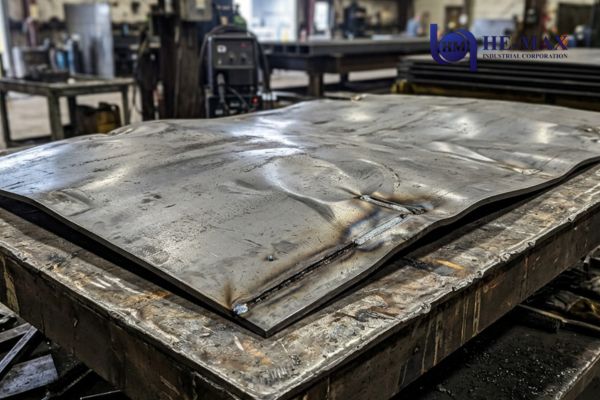
Sometimes, the signs are right on the surface. Misaligned windows, doors that won’t close properly, and “wavy” drywall show a lack of precision. While these seem like cosmetic issues, they often suggest that if the contractor was lazy with the finish, they were likely lazy with the structural components you can’t see.
7. Foundation Settlement or Structural Movement
All buildings settle, but “differential settlement”—where one part of the building sinks faster than another—leads to structural failure. This is often solved during the design phase by a qualified piling contractor in the Philippines who uses deep foundation techniques to bypass soft topsoil.
How to Prevent Construction Failures
Preventing poor construction starts with the right decisions early in the project.
Key steps to follow:
- Choose certified suppliers. Work with reputable providers like this trusted sheet pile supplier in the Philippines to ensure quality materials
- Use high-quality materials. Avoid cutting costs on structural components
- Conduct soil analysis. Proper geotechnical studies help decide the right foundation and soil retention systems
- Work with experienced contractors. Skilled engineers and contractors reduce the risk of costly mistakes
- Follow industry standards. Refer to guidelines from organizations like the Federal Emergency Management Agency (FEMA) for structural safety best practices
Why Choosing the Right Steel and Sheet Pile Supplier Matters
The quality of your materials directly affects the safety and lifespan of your structure.
Here’s why your supplier matters:
- Reliability. Consistent material quality ensures predictable performance in construction
- Compliance with standards. Certified suppliers follow strict industry regulations, ensuring safety
- Material durability. High-quality steel resists corrosion, pressure, and environmental stress
Whether you’re sourcing from a steel supplier in the Philippines or planning sheet pile wall construction, your choice of supplier can make or break your project.
Partner with a trusted provider like He-Max Industrial for reliable construction materials.
Conclusion
Poor construction often starts with small, visible signs—but ignoring them can lead to major structural failures. From cracks and leaks to foundation movement, these warning signs should never be taken lightly.
By understanding these risks and working with trusted partners—whether it’s a steel supplier in the Philippines, a piling contractor in the Philippines, or experts in sheet pile wall construction—you can ensure safer, more durable structures.
Build it right from the start—because in construction, quality is not optional, it’s essential.