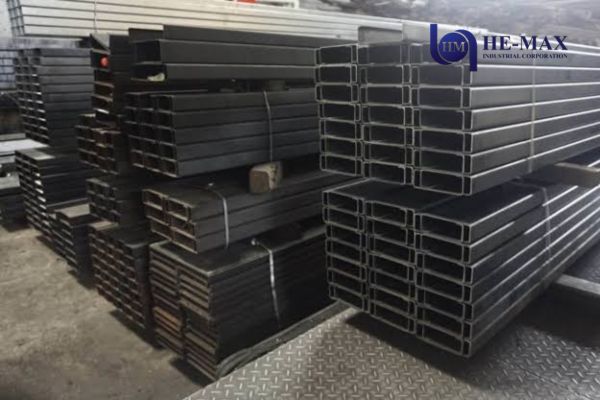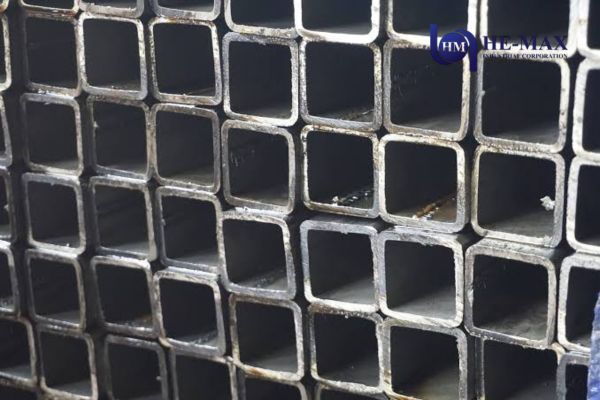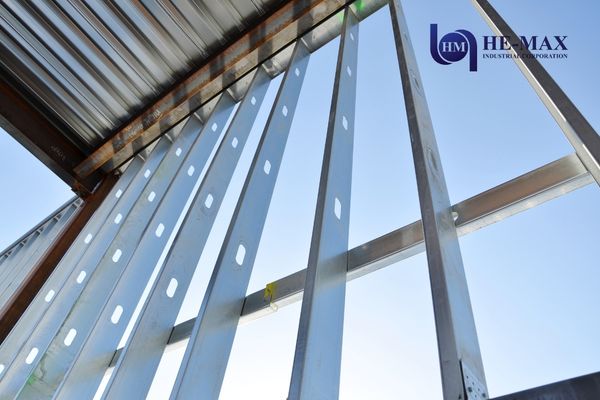
In the rapidly evolving landscape of Philippine architecture and engineering, the structural integrity of a building often rests on the components that remain unseen by the public eye. Among these, the C-purlin stands as a foundational element. Whether you are overlooking a sprawling industrial warehouse in Cavite or a residential development in Davao, C-purlins are the horizontal structural members that support the load from the roof deck or sheathing.
However, despite their ubiquity, they are frequently misunderstood. Choosing the right C-Purlins supplier is only the first step; understanding the physics, local environmental demands, and installation nuances is what separates a lifetime structure from a costly liability. In this guide, we will explore the critical role of these steel members, the pitfalls of improper installation, and how to ensure your project meets the highest standards of safety and efficiency.
Why do C-purlins fail or sag in roofing and wall framing applications?
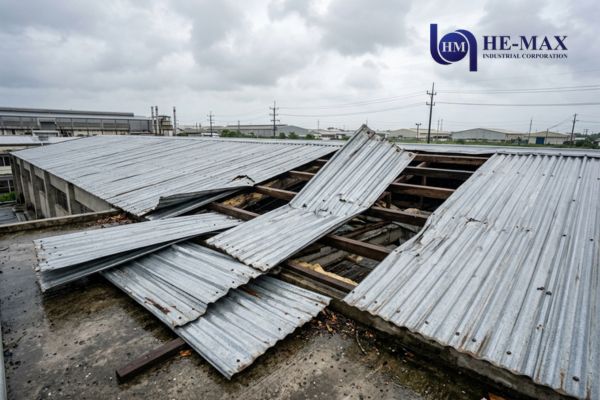
The primary reason for failure is often a fundamental disconnect between the design load and the material’s actual capacity. When a purlin is undersized or spaced too far apart, it cannot resist the bending moments caused by external pressures. In a tropical country like ours, this isn’t just about the weight of the metal sheets (dead load); it’s about the massive uplift forces during a Typhoon Signal No. 4 and the weight of maintenance crews during repairs (live load).
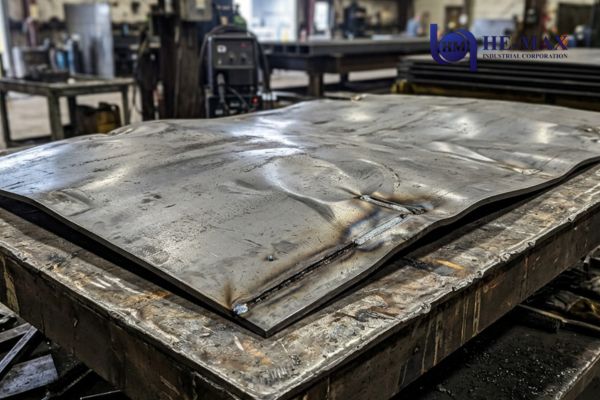
Improper selection, handling, and installation lead to structural inefficiency, premature corrosion, and “oil-canning” or buckling. This results in sagging rooflines that collect water, eventually leading to leaks and the eventual failure of the entire roofing system.
Common Mistakes to Avoid When Using C-Purlins
What are the most common mistakes when installing C-purlins?
Experienced contractors know that a mistake in the framing stage multiplies by the time the finishing touches are applied. Here are the most frequent errors seen in local construction sites:
- Using the Wrong Gauge or Section Size for the Span
Local hardware stores often sell “standard” purlins that may not meet the structural requirements of your specific blueprint. Using a 1.2mm thickness when the engineer specified a 1.6mm thickness might save a few pesos initially, but it significantly reduces the c-purlin load capacity. A thinner gauge under a long span will inevitably bow under its own weight.
- Incorrect Spacing Between Purlins
Increasing the distance between purlins to save on material costs is a dangerous gamble. Over-spacing causes the roofing sheets to lack adequate support, making them prone to tearing off during high winds or denting when walked upon.
- Poor or Improper Fastening and Connection Details
A C-purlin is only as strong as its connection to the rafter. Common mistakes include:
- Using undersized tekscrews or bolts.
- Welding without proper surface preparation (especially on galvanized steel).
- Over-tightening fasteners, which can strip the threads or crush the purlin flange.
- Neglecting Lateral Bracing and Anti-Sag Systems
C-purlins are susceptible to “lateral-torsional buckling”—basically, they want to twist or roll over when under a heavy load. Skipping the installation of sag rods or bridging members leaves the purlins unsupported against these twisting forces.
- Ignoring Load Requirements
The Philippine Structural Code (NSCP) provides strict guidelines on wind loads. Many builders fail to account for the “suction” effect on the leeward side of a roof during a storm. If the c-purlin specifications do not account for these wind uplift forces, the roof can literally be peeled off the building.
- Using Substandard or “Off-Spec” Materials
Not all steel is created equal. Sourcing from an unreliable c-purlins supplier may result in receiving sections that are “under-gauge” (thinner than advertised) or made from recycled steel with poor tensile strength.
Best Practices for C-Purlin Installation
To ensure your structure stands the test of time, follow these industry-standard installation protocols:
- Pre-Installation Inspection
Before hoisting any steel, inspect for:
- Straightness: Reject any pieces with visible “camber” or twists.
- Coating Integrity: Ensure galvanized layers aren’t flaking or scratched deeply.
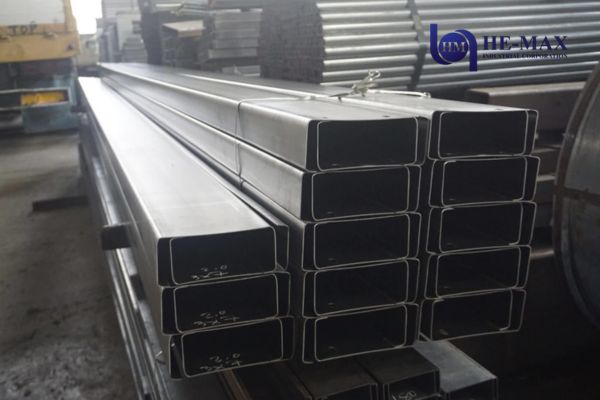
- Dimensional Accuracy: Verify that the c purlin sizes Philippines suppliers delivered match your purchase order exactly.
- Correct Alignment and Leveling
Purlins must be perfectly parallel to each other and perpendicular to the rafters. Use a string line or laser level. If the purlins are “wavy,” the roofing sheets will not lap correctly, leading to gaps where water can enter.
- Proper Connection Techniques
- Bolting: Use high-strength bolts with washers. This is preferred for industrial projects where vibration or thermal expansion is a factor.
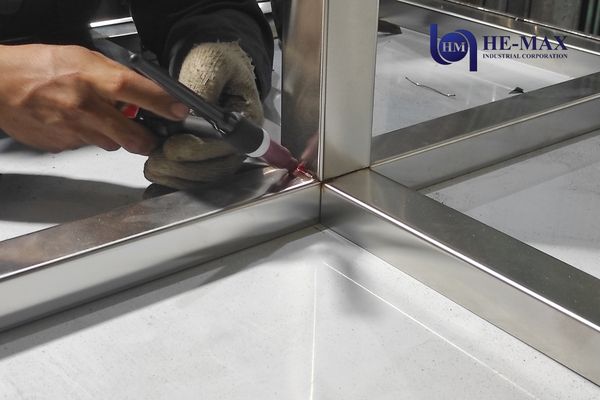
- Welding: If welding, ensure all slag is removed and the area is treated with cold-galvanizing spray or zinc-rich primer to prevent “weld-rust.”
- Coordination with Roofing Teams
Do not allow roofing installers to stack heavy bundles of metal sheets in the middle of a purlin span. This “point loading” can cause permanent deformation before the roof is even finished.
Get It Right from the Start — Source Quality C-Purlins from He-Max Industrial
The success of any construction project is built on the quality of its materials. Avoiding the common mistakes mentioned above—such as using substandard gauges or inaccurate dimensions—begins with choosing a reputable c purlins supplier.
He-Max Industrial is a premier provider of structural steel solutions in the Philippines. We understand that every millimeter counts when it comes to safety and structural integrity. Whether you are looking for specific c purlin sizes Philippines contractors trust or need high-capacity sections for a large-scale warehouse, we provide:
- Consistency: Accurately dimensioned purlins that meet local and international standards.
- Durability: High-quality galvanized and black iron options suited for the Philippine climate.
- Expertise: A deep understanding of c purlin specifications to help you choose the right material for your load requirements.
Don’t compromise the safety of your building with off-spec materials. Explore our full range of C-purlins and structural steel sections to find the perfect fit for your residential, commercial, or industrial project.
Ready to build with confidence?
Contact the experts at He-Max Industrial today for a quote, technical specifications, or consultation on your next project.