Few building materials have proven as consistently useful across Philippine construction as galvanized iron sheets. Walk through any residential neighborhood, industrial zone, or agricultural area in the country, and you’ll find GI sheets overhead, along the walls, and around the perimeter — often in the same project.
Their popularity isn’t about cost, though galvanized sheet prices in the Philippines make them one of the most budget-accessible cladding options available. It’s about versatility. GI sheets work across a wider range of applications than most builders initially consider — from classic gable roofs to interior accent walls to commercial cladding systems.
If you’re planning a new build, renovation, or commercial development, here’s a practical guide to the designs GI sheets can support and how to get the most value from them.
What Are GI Sheets and Why Are They a Smart Building Choice?
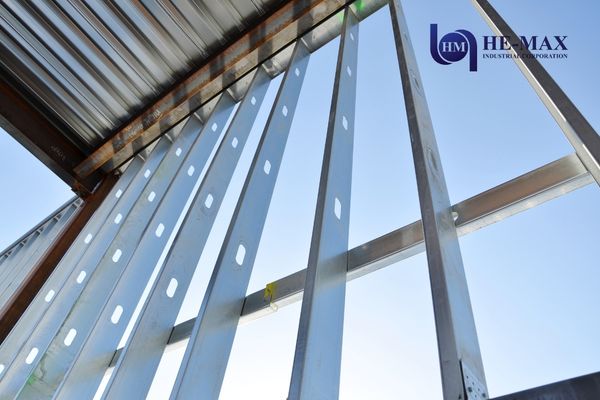
Galvanized iron sheets are steel sheets coated with a layer of zinc through a hot-dip galvanizing process. The zinc coating acts as a sacrificial barrier — it corrodes before the underlying steel does, significantly extending the material’s service life even in humid, coastal, or typhoon-prone environments.
Key properties that make galvanized steel sheets well-suited to Philippine construction:
- Corrosion resistance — the zinc coating protects against rust, making GI sheets durable in high-humidity and coastal conditions
- Weather adaptability — performs reliably across the range of tropical conditions common throughout the Philippines
- Lightweight — easier to transport, handle, and install than heavier cladding alternatives
- Workability — can be cut, bent, and formed to fit diverse structural applications
GI sheet pricing in the Philippines varies based on gauge (thickness), sheet dimensions, surface profile, brand, and order volume. Thinner gauges cost less per sheet but may not provide adequate performance for exposed or load-bearing applications. Getting the gauge specification right from the start prevents the false economy of under-specifying.
What Types of Designs Can You Achieve with GI Sheets?
GI sheets are far more than roofing material — they support a broad range of functional and aesthetic applications across property types.
Residential Roofing
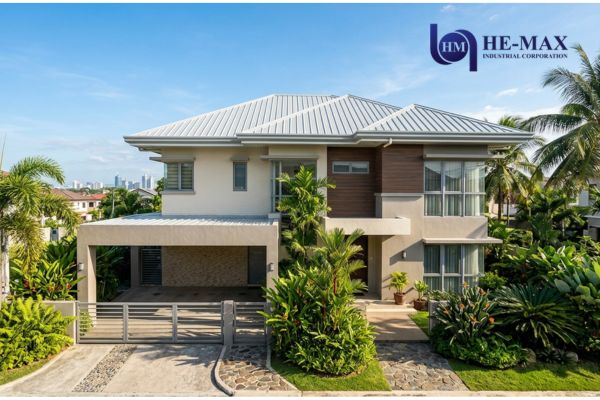
This is where most homeowners first encounter GI roofing sheets. Corrugated and rib-type profiles are standard across:
- Gable roofs — the most common residential form in the Philippines; GI sheets are fast to install and perform well on standard pitches
- Hip roofs — offer better wind resistance and work well with GI sheets cut to fit the angled planes
- Shed roofs — single-slope designs common in extensions, carports, and utility areas; simple to execute with standard sheet lengths
Industrial and Commercial Applications
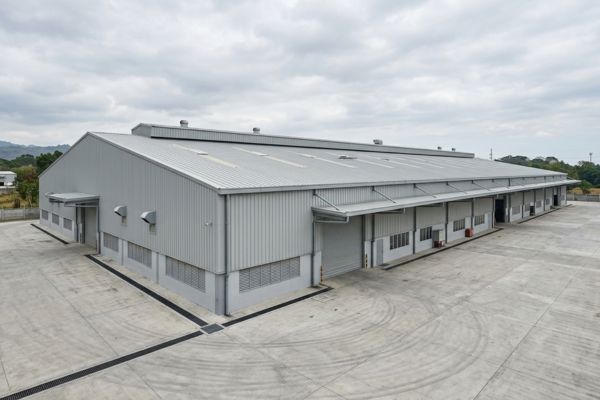
Warehouses, factories, and commercial buildings rely heavily on galvanized roofing sheets for both roof coverage and wall cladding. The rib-type profile is standard in these applications for its combination of structural rigidity and span capability. Exterior cladding systems using GI sheets offer weather protection and a clean industrial aesthetic that suits commercial architecture.
Exterior Property Features
Beyond the roof, GI sheets Philippines builders commonly used for:
- Perimeter fencing and gate panels — durable, low-maintenance, and cost-effective for property boundaries
- Fascia boards — providing a clean, finished edge to roof overhangs
- Canopies and awnings — extending covered area without the complexity and weight of heavier structures
Interior Design Applications
Modern industrial aesthetics have made GI sheets a legitimate interior design material. Corrugated or flat galvanized steel sheets work well as:
- Accent walls — particularly in commercial interiors, cafés, offices, and loft-style residential spaces
- Ceiling panels — adding texture and an industrial character to interior spaces
This application is growing among property developers and interior designers working on commercial fit-outs and boutique residential projects.
Agricultural Applications
Farm structures, storage sheds, animal shelters, and utility buildings across the Philippines are routinely built with GI sheets. The material’s cost-efficiency and low maintenance requirements make it the default choice for agricultural construction where budget and practicality take priority.
Are GI Sheets Good for Roofing and Wall Designs in the Philippines?
For tropical climates like the Philippines, galvanized roofing sheets are well-matched to local conditions — but understanding their specific performance profile helps you specify correctly.
- In tropical heat, GI sheets conduct heat readily. In residential applications, adequate ventilation under the roof deck is important for thermal comfort. Insulation layers or reflective barriers are often added for buildings where interior temperature is a concern.
- In heavy rain, properly installed GI sheets perform reliably. Correct overlap, adequate fastening, and appropriate pitch are the key variables — the material itself is water-resistant by nature.
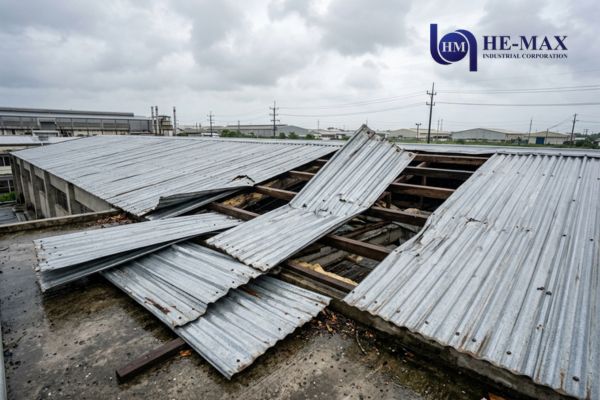
- In typhoon conditions, GI sheet performance depends heavily on gauge selection and fastening pattern. Higher gauge sheets with tighter fastener spacing perform significantly better under wind uplift than lighter gauge installations with standard spacing. For typhoon-exposed locations, this is a specification decision worth discussing with a structural engineer.
- Design flexibility is a genuine advantage. GI sheets come in corrugated, rib-type, and flat profiles, and can be painted or coated for color and surface finish. This makes them compatible with modern architectural trends without sacrificing the practical benefits.
- Compatibility is broad — GI sheets attach to wood framing, steel framing, and concrete structures using standard fasteners, making them adaptable across construction methods without specialized installation requirements.
Is the Galvanized Sheet Price in the Philippines Worth the Investment?
When buyers search for galvanized sheet prices in the Philippines, they’re usually trying to answer a more specific question: is the cost justified relative to alternatives?
The honest answer is yes, for most applications — but the value calculation depends on how you account for cost.
Factors that affect GI sheet pricing:
| Factor | Impact on Price |
| Gauge (thickness) | Thicker gauges cost more per sheet |
| Sheet dimensions | Longer or wider sheets have higher material cost |
| Surface profile | Rib-type and specialty profiles may carry a premium |
| Brand and mill source | Established brands with certified specs typically command higher prices |
| Order volume | Bulk orders attract better pricing |
Against alternative materials — clay tiles, concrete tiles, and polycarbonate panels — GI sheets are typically lower at upfront cost and faster to install. Their lifespan, with proper gauge selection and maintenance, runs 20–30 years in Philippine conditions.
Practical tips for getting the best value:
- Specify the correct gauge for your application — don’t under-specify to save on material cost
- Source from a reputable GI sheet supplier in the Philippines who can provide certified product documentation
- Order slightly above your calculated requirement to account for cuts and waste
- Confirm lead times before finalizing project schedules — stock availability varies
How He-Max Industrial Supports Your GI Sheet Requirements
He-Max Industrial supplies GI sheets in the Philippines across a range of gauges and specifications for residential, commercial, and industrial applications.
As a reliable GI sheet supplier in the Philippines, He-Max Industrial maintains consistent stock to support both small-scale residential projects and large commercial or industrial builds. Their product range covers standard corrugated and rib-type profiles, with specifications available to support proper gauge selection for your application.
For contractors managing multiple project timelines, reliable stock availability from a single dependable supplier reduces sourcing delays and simplifies procurement. He-Max Industrial’s team can provide product specifications, pricing, and stock confirmation to support your project planning.
Explore their full GI sheet product range at He-Max Industrial.
Conclusion: Versatile, Practical, and Worth the Investment
GI sheets in the Philippines are one of the most adaptable building materials available — useful for roofing, cladding, fencing, interior design, and agricultural construction. They perform reliably in tropical conditions, offer genuine design flexibility, and deliver long-term value when correctly specified and sourced.
Getting the most from galvanized sheet prices in the Philippines starts with matching gauge and profile to application, and sourcing from a supplier who can consistently deliver certified, quality product.
Are you ready to plan your next project?
Browse He-Max Industrial’s GI sheet selection and request specifications or pricing directly through He-Max Industrial. Whether you’re working on a residential roof, a commercial cladding system, or an industrial build, their team is ready to support your requirements.