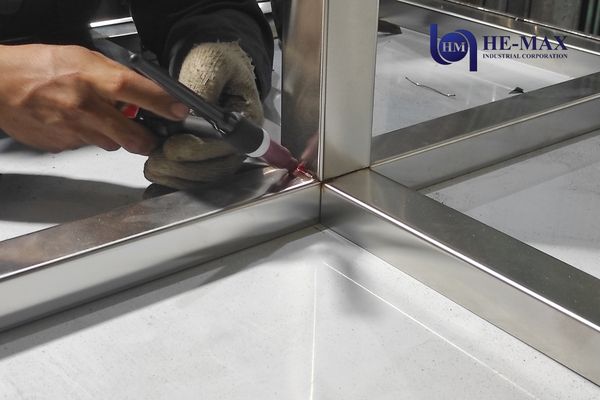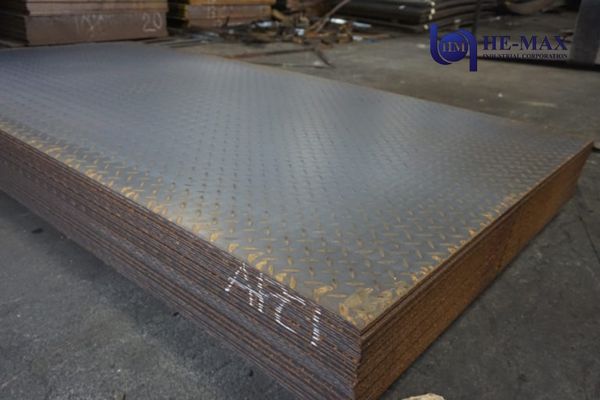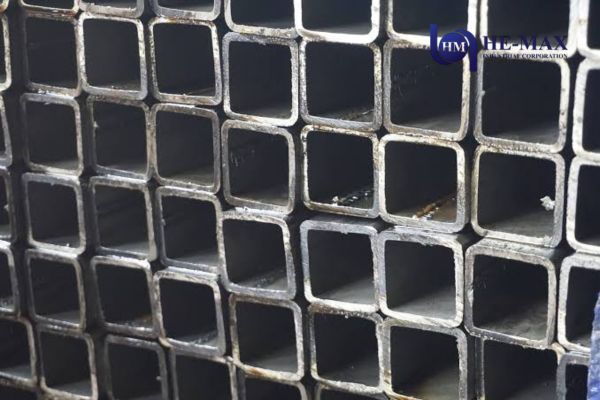
Fabrication problems such as poor welds, misaligned joints, excessive distortion, and structural weaknesses are not always caused by workmanship. In some cases, the problem begins earlier, with the quality and consistency of the steel tube itself.
Understanding tubular steel sizes in the Philippines suppliers offer is an important starting point when selecting materials for fabrication. However, dimensions alone do not determine whether a tube is suitable for a project. Wall thickness, material grade, dimensional accuracy, straightness, and surface condition can all influence how reliably the material can be cut, welded, bent, coated, and assembled.
For contractors, engineers, fabricators, and procurement teams, choosing the right steel tube therefore requires looking at both its dimensions and overall quality. This article explains how tube quality affects fabrication, which characteristics should be checked before processing, and how to select an appropriate size and grade for the intended application.
Why Does Steel Tube Quality Matter in Fabrication?
Steel tube quality matters because material and dimensional consistency directly affect fabrication accuracy, weldability, structural performance, and the amount of rework required.
Consider a fabricator assembling multiple frames from square tubing. Even when drawings and cutting measurements are correct, variations in wall thickness, straightness, or squareness can make joints more difficult to align. Small inconsistencies can become more significant when the same assembly is repeated across an entire production run.
Several tube characteristics can affect fabrication performance:
- Wall thickness consistency: Variations can affect heat input and weld penetration when welding steel tubes, especially when fabrication procedures assume consistent material dimensions.
- Material grade: The steel’s mechanical properties influence its suitability for structural loads, forming operations, and intended service conditions.
- Dimensional accuracy: Straightness, roundness, squareness, and dimensional tolerances influence fit-up and assembly.
- Surface condition: Rust, mill scale, contamination, and surface defects may need more preparation before welding, painting, or coating.
- Traceability: Material documentation helps fabricators and project teams verify that supplied steel corresponds with specified requirements.
These factors explain why material quality should be evaluated before fabrication begins. Problems discovered after cutting or welding can require more time and material to be corrected.
Key Quality Factors to Check Before Fabrication
Good steel tube fabrication starts with confirming that incoming material is suitable for both the finished application and the processes it will undergo.
Material Grade and Certification
Do not assume tubes with identical external dimensions are interchangeable. Material grade influences mechanical properties and determines whether steel is suitable for structural and fabrication requirements.
Review project drawings, applicable standards, supplier documentation, and steel pipe specifications before fabrication begins. Where certification or traceability is required, verify the relevant documentation before accepting or processing the material.
Standards such as those developed by ASTM International and the Philippine Bureau of Philippine Standards (BPS) provide technical requirements for different categories of steel products. Depending on the applicable standard, these requirements can cover dimensions, material properties, manufacturing methods, testing, and other characteristics.
Wall Thickness and Consistency
Wall thickness affects the weight and structural properties of a tube, but it also influences fabrication.
For example, consistent wall thickness makes welding parameters easier to control. Unexpected variation may require adjustments to heat input or welding technique to achieve consistent results.
Thickness should therefore be selected according to engineering and project requirements rather than simply choosing the thickest or least expensive option available.
Straightness, Roundness, and Squareness
Dimensional accuracy becomes particularly important when steel tubes are incorporated into repetitive assemblies.
Round tubes should maintain the required diameter and roundness. Square and rectangular tubes should maintain appropriate straightness, dimensions, and corner geometry.
Even relatively small deviations can create fit-up problems. A tube that is slightly out of alignment at one connection may create a more noticeable dimensional discrepancy farther along an assembled frame.
Surface Condition
Inspect steel tubes for rust, scale, contamination, physical damage, or visible defects before fabrication.
Surface condition is especially important when the finished component is painted, galvanized, or protected with another coating system. Proper preparation helps create a suitable surface for the intended finishing process.
Documentation and Traceability
For projects governed by specific material standards, procurement teams should confirm the required documentation instead of evaluating steel based solely on dimensions and appearance.
Mill test certificates or other relevant documentation can help establish material identity and traceability when these are required by the project specification.
What Tubular Steel Sizes Are Available in the Philippines?
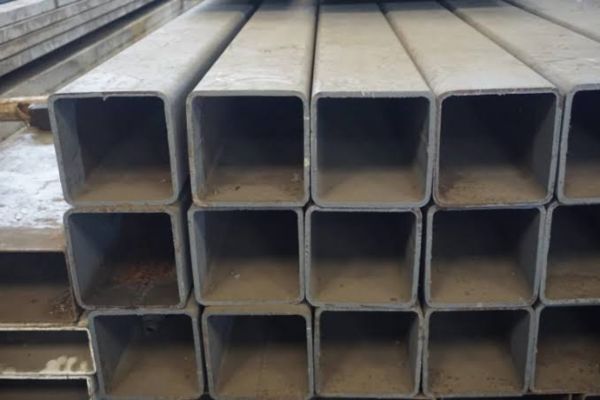
Tubular steel is available in various square and rectangular dimensions and wall thicknesses, while the appropriate size depends on the structural, fabrication, and application requirements of the project.
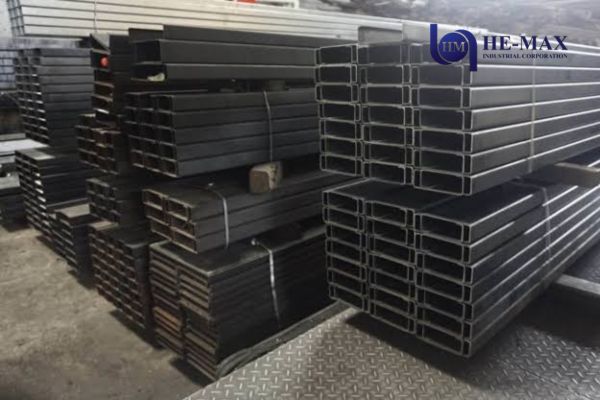
When reviewing tubular steel sizes in the Philippines, buyers will commonly encounter square hollow sections and rectangular hollow sections in multiple dimensions and thickness ranges.
He-Max, for example, lists square hollow sections ranging from 1 × 1 inch to 10 × 10 inches, with available thicknesses varying according to section size. Rectangular hollow sections include smaller dimensions such as 1 × 2 inches as well as larger configurations such as 4 × 12 inches and 6 × 12 inches.
Common examples include:
| Tube configuration | Example dimensions | Selection considerations |
| Square hollow section | 1 × 1, 2 × 2, 4 × 4, 6 × 6, 8 × 8 in. | Structural requirements, wall thickness, connection design |
| Rectangular hollow section | 1 × 2, 2 × 3, 2 × 6, 3 × 6, 4 × 8 in. | Orientation, load requirements, fabrication method |
| Custom fabricated tubular | Project-specific dimensions | Required dimensions, thickness, length, and fabrication requirements |
Stock availability can vary, so dimensions and thicknesses should be confirmed with the supplier before procurement schedules are finalized.
Wall thickness should also be considered alongside the external dimensions. The correct combination depends on factors such as structural loads, connection design, fabrication method, weight limitations, applicable standards, and project specifications.
For applications requiring dimensions outside commonly stocked sections, custom fabrication may also be considered. He-Max offers custom steel fabrication for project-specific thicknesses, dimensions, and lengths.
How Do You Choose the Right Steel Tube for a Fabrication Project?
Choose a steel tube by matching its dimensions, wall thickness, material properties, fabrication requirements, environmental exposure, and applicable specifications to the finished component.
A practical selection process includes:
- Start with the engineering requirements. Determine the loads, dimensions, connections, and applicable project or design specifications.
- Select the appropriate tube geometry. Decide whether a round, square, or rectangular section best suits the application and connection details.
- Confirm wall thickness and material requirements. These should correspond with engineering requirements rather than being selected based on prices alone.
- Consider the fabrication process. Cutting, drilling, machining, welding, and custom metal tube bending can place different demands on material and dimensional consistency.
- Evaluate environmental exposure. Outdoor, humid, industrial, or corrosive conditions may influence material selection, surface treatment, or protective coating requirements.
- Verify supplier specifications and documentation. Confirm dimensions, material specifications, relevant standards, certifications, and availability before ordering.
Material selection is particularly important for specialized applications such as stainless-steel pipe fabrication. The stainless-steel grade, welding procedure, handling requirements, surface finish, and intended environment should be considered separately.
Cost is another important procurement consideration, but material price should be evaluated alongside fabrication performance. A lower initial material cost may provide little overall savings if inconsistent dimensions or surface conditions result in additional fitting, preparation, rework, or scrap.
How Poor Tube Quality Shows Up During Fabrication
Problems with tube quality often become most noticeable after fabrication has already started.
Inconsistent Welding Results
Variations in material thickness or surface condition can make welding less predictable. Fabricators may need to adjust welding parameters or spend additional time preparing individual joints.
This is especially relevant when welding steel tubes repeatedly for frames, supports, equipment, or other assemblies where consistent fit-up helps maintain an efficient fabrication process.
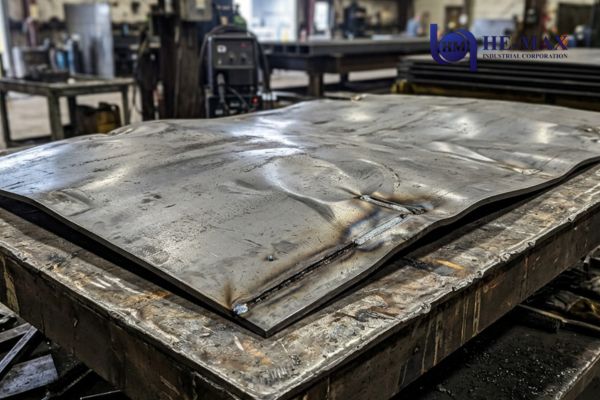
Warping and Distortion
Heat from cutting and welding naturally creates thermal stresses in steel. Existing dimensional inconsistencies can make controlling the resulting distortion more difficult.
Materials that begin the process with inadequate straightness or dimensional consistency may therefore require additional adjustment during fabrication.
Misalignment During Assembly
Dimensional variation can become increasingly noticeable as multiple pieces are assembled.
A single tube that does not meet the expected geometry may create problems at one connection. Across a larger frame or repeated assembly, those deviations can contribute to additional fitting, repositioning, or rework.
Surface and Coating Problems
Rust, scale, contamination, or other surface conditions may interfere with subsequent finishing processes if they are not properly addressed.
Correcting these problems before fabrication and coating is more practical than discovering them after components have been assembled or installed.
For a Philippine fabrication shop working against a delivery schedule, these issues can accumulate quickly. One problematic section may require only a minor adjustment but repeated across an entire batch; the same issue can consume fabrication hours, generate additional scrap, and delay downstream assembly.
Sourcing Quality Tubular Steel for Your Next Project
Fabrication performance starts upstream at the point of material sourcing.
Before placing an order, provide the supplier with enough information to identify the appropriate steel product. This can include required section dimensions, wall thickness, material specification, quantity, length, intended fabrication processes, and any required documentation or certifications.
He-Max Industrial Corporation supplies hollow sections alongside a broader range of steel products for construction and fabrication applications. Buyers can review dimensions and project requirements before finalizing an order.
Projects that require additional processing can also consider He-Max’s steel fabrication services, including capabilities that support the preparation and fabrication of steel for specific project requirements.
Discussing material and fabrication requirements early can help identify potential compatibility, dimensional, or availability issues before steel has already been cut or processed.
Steel Tube Quality Starts with the Right Specification
Steel tube quality is a foundational but sometimes overlooked factor in fabrication performance. Accurate dimensions, consistent wall thickness, appropriate material properties, suitable surface condition, and reliable documentation all contribute to more predictable cutting, fitting, welding, bending, finishing, and assembly.
When evaluating tubular steel sizes in the philippines, consider more than the nominal dimensions. Wall thickness, material grade, fabrication requirements, environmental exposure, applicable specifications, and supplier documentation should all form part of the selection process.
Need reliable tubular steel for your next fabrication project? Contact He-Max Industrial Corporation to discuss quality-certified steel tubes in a range of sizes, request a quote, or speak with the sales team about your steel supply and fabrication requirements.