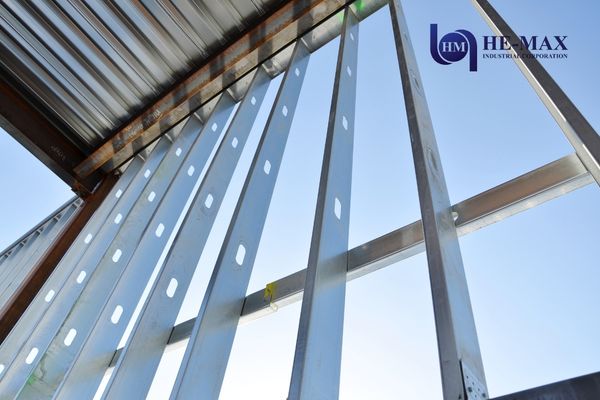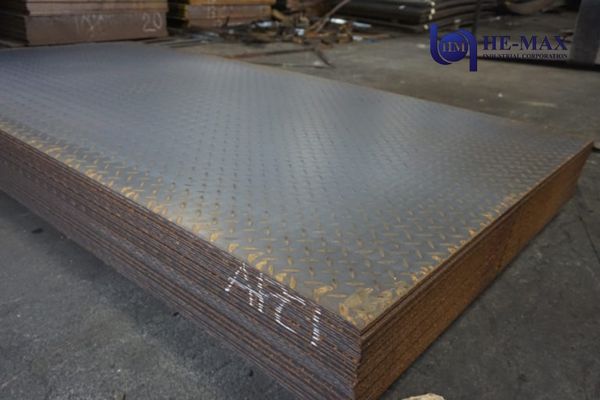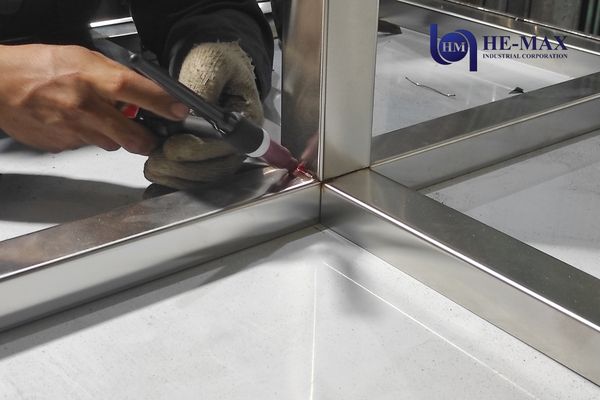
No process serves as the backbone of the modern construction industry quite like steel fabrication in the Philippines. It is the first step of every construction project. It plays a vital role in cutting, shaping, and welding steel materials used to build structures of every size.
Every economy relies on its construction workforce to build facilities, commercial spaces, and residential developments that serve communities and businesses alike.
That said, such a progression requires efficiency and accuracy. As with any other job, one simple mistake could stall the whole development, even before it takes off. The consequences can include lost time, increased costs, and compromised structural integrity—all of which can be disastrous in the long run.
That is why we have written a simple guide that would walk you through the common steel fabrication mistakes, their usual causes, and the different ways to avoid them.
Why Are Steel Fabrication Mistakes So Costly?
Simply put, all projects run on a given budget, and any mistake, no matter how minute, could lengthen the project duration, costing more in the long run.
Every fabrication process requires two essential investments: time and money. For some companies, money is no object. If something goes wrong, they can simply invest more to patch up the error. However, time is often even more valuable than money. It is irreplaceable, after all. Every project is running on a given schedule. If something disrupts the overall plan, such as a defect in the steel fabrication, it has to be redone in order to avoid compromising the overall structure.
You will not just be wasting materials, but also labor hours, thus delaying the project. More importantly, you are putting the safety of future occupants at risk. You may have seen viral videos online of shopping malls or office buildings crumbling like stacks of cardboard during strong earthquakes. Those buildings could have withstood the impact if only all the proper measures were followed, including the proper fabrication of their steel materials.
What are the Most Common Mistakes in Steel Fabrication?
1. Inaccurate Measurements and Cutting Errors
A material as simple as steel may also have its own intricacies. When done correctly, steel fabrication ensures that every piece is cut accurately, holes are properly aligned, and all beams fit together precisely. Even during the structural process, their assembly should be easy; they can readily be bolted or welded just right. Because steel is rigid, even minor errors usually require scrapping the material or performing costly rework. In such processes, it is always better to do it right the first time rather than having to do everything again from scratch.
2. Poor Material Selection or Grade Mismatch
Most of the time, it isn’t just about processing, but also the material that you would use to make the steel item. Different steel grades are designed for different applications, and using the wrong one may reduce durability and structural performance, especially in large-scale projects. It may not have the required strength, ductility, or even the resistance to withstand forces of nature. For example, if a project were to require high-strength alloys, you should specify and use the correct material rather than substituting it with mild steel. Failing to do so may weaken it, especially when used as part of a foundation.
3. Inconsistent Shearing or Bending Tolerances
We’ve mentioned using the right material that can withstand any load or weight in the long run. The same applies to bending tolerances. The fabricated steel must meet strict dimensional tolerances, up to the highest standards. If the shearing or bending is inconsistent, the parts won’t fit as designed. Even if the measurements are off just a few millimeters, they can still compromise structural integrity or cause misalignment in larger buildings.
4. Inadequate Welding or Joint Preparation
Many structures rely on the strength of their joints. Improper welding preparation may lead to welding defects, weak connections, and cracks. This may even reduce their load-bearing capacity, to the point that the foundations or walls would not be able to hold up for a long time.
5. Skipping Quality Checks Before Fabrication
Thorough inspections are essential before any structure is considered safe for occupancy. Skipping this step can put workers and future occupants at risk. If inspections are skipped, defects in raw steel can go unnoticed until later stages. By then, it may already be too late or far too expensive to correct them.
6. Miscommunication Between Design and Production Teams
Steel fabrication is not only about producing strong, reliable components but also about ensuring they meet the intended design specifications. It would greatly help reduce cost if both the production and design teams aligned with their intended output before they even begin to cut and weld steel to avoid any mistakes.
How Do These Mistakes Lead to Rework?
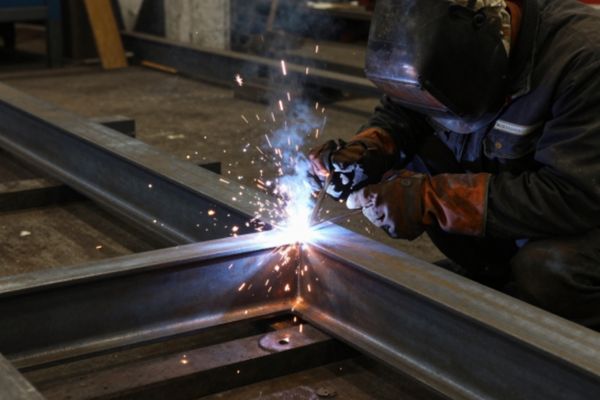
Since steel components are critical to any structure, it is only fair to expect that their manufacturing should be done right. When the components are not made up to standard, it may cause delays and rework. The question is, how does every error lead to that point? Below are just a few examples:
- Misaligned or Ill-Fitting Components: Incorrect measurements that result in misaligned holes or improperly sized beams often require dismantling and refabrication, leading to unnecessary delays.
- Structural Weaknesses Post-Installation: If the materials are mishandled from the start, it may lead to cracks and compromise structural reinforcement.
- Failed Inspections or Non-Compliance: Skipping quality checks may lead to structural issues and even legal repercussions if the structures were to fail someday.
- Wasted Raw Materials: Because defective components often need to be remade, valuable raw materials are wasted. You can’t patch up or re-bend steel materials and expect them to maintain the same amount of strength.
- Extended Timelines and Labor Costs: Correcting manufacturing errors requires additional labor, materials, and project time. It is always better to do it right the first time.
Some of the Best Practices to Avoid Fabrication Errors
In every type of task, it is okay to make mistakes. However, some can be too costly; thus, it is always a good thing to keep these tips in mind:
- Double-Check Measurements: This may very well be the easy part, as every design requires an ample amount of planning, and that includes all the necessary measurements. Use the right tools, such as laser measuring devices and calipers, to ensure precise measurements every time.
- Use Calibrated Equipment: Regularly calibrate and maintain equipment to ensure consistent, high-quality results.
- Work with Skilled Operators: Human error should be accounted for during the planning stage. Assign fabrication work to trained and qualified professionals who understand proper cutting, welding, and quality standards. Train new hires to meet the company’s steel fabrication standards.
- Implement Steel Fabrication Quality Control Checkpoints: forget to implement regular inspections. Be sure to do stage-by-stage checks so that the cutting, welding, and finishing are always up to par.
- Maintain Clear Communication: Never hesitate to organize meetings with your design, procurement, and fabrication teams. Keeping everyone aligned from the beginning helps prevent design misinterpretations and fabrication errors.
Choose a Reliable Steel Fabrication Partner
Choosing the right partner is the most effective way to prevent costly fabrication errors. He-Max Industrial Corporation stands out as a trusted steel supplier and fabricator in the Philippines, delivering precision and reliability across every project.
Our Services Include:
Preventing costly rework starts with choosing a fabrication partner that prioritizes precision, quality, and consistency at every stage of production. At He-Max Industrial Corporation, our precision fabrication solutions are designed to minimize errors, improve efficiency, and help ensure every component meets project specifications. Explore our full range of steel fabrication services or contact our sales team today to discuss your project requirements.