An incomplete quotation request can create unnecessary back-and-forth between a buyer and supplier. Missing details such as thickness, length, quantity, or delivery location may require clarification before accurate pricing can be prepared, which can affect procurement and project schedules.
When requesting a quotation from a C-Purlins supplier, providing complete specifications from the beginning helps the supplier understand exactly what your project requires. It also gives your procurement team a clearer basis for comparing quotations from different sources.
This guide explains how to request a C-purlin quotation, what information to prepare, what to review when the quotation arrives, and which common mistakes can make the process more complicated than necessary.
How Do I Request a Quotation from a C-Purlins Supplier?
To request a quotation, contact the supplier through its available inquiry channel and provide the required C-purlin specifications, quantity, delivery location, and project timeline.
Suppliers may accept quotation requests through an online inquiry form, email, phone call, or direct consultation. Regardless of the method, the basic process usually involves three stages:
- Submit your inquiry. Provide the supplier with the C-purlin requirements and your contact or company information.
- Confirm the specifications. The supplier reviews the request and may clarify dimensions, thickness, quantity, delivery requirements, or other technical details.
- Receive the formal quotation. Once the requirements are established, the supplier can prepare pricing and applicable commercial terms.
Preparing your requirements before contacting suppliers can reduce the number of clarification exchanges required.
Response times can vary depending on the request’s complexity and size. A straightforward order based on commonly supplied specifications may require less review than a large-volume or project-specific inquiry involving several dimensions, delivery schedules, or fabrication requirements.
For this reason, procurement teams should avoid waiting until the material is urgently needed before requesting prices. Building quotation and approval time into the procurement schedule provides more room to resolve technical or commercial questions.
What Information Do I Need to Give a Supplier to Get an Accurate Quote?

An accurate quotation requires the C-purlin size, thickness, length, quantity, delivery location, project requirements, and required delivery schedule.
Providing these details helps the supplier determine what material is required and what costs should be included in the quotation.
- C-Purlin Size, Thickness, and Length
Start with the required C-Purlin specifications from the structural plan, bill of materials, or other approved project documentation.
Relevant information may include:
- Section dimensions
- Material thickness or gauge
- Required length
- Applicable material or project specification
- Any special fabrication requirements
Avoid requesting a quote using only general descriptions such as “standard C-purlin.” Requirements can differ between projects, and providing actual dimensions gives the supplier a clearer basis for pricing.
- Quantity Required
Specify how many pieces or lengths are required.
Quantity can affect procurement planning and the overall quotation, particularly when comparing bulk steel prices for larger project requirements. Giving the supplier an accurate quantity also helps determine whether stock availability or production scheduling needs to be considered.
If the project requires materials in phases, note this too. For example, a buyer may require an initial batch for one construction stage and the remaining quantity later.
- Project and Delivery Location
A material quotation does not necessarily represent the complete delivered project cost.
Include the delivery address or at least the project location when requesting your steel quotation. This allows the supplier to determine whether delivery or logistics charges need to be included separately.
For construction projects outside the supplier’s immediate area, transportation requirements can become an important part of the overall procurement cost.
- Structural or Engineering Requirements
If C-purlin requirements come from an approved structural plan, use those specifications when requesting the quotation.
Procurement personnel should avoid changing thicknesses or dimensions solely to achieve a lower price without consulting the responsible engineer or project professional. A less expensive section is not necessarily an appropriate substitute for the specified material.
- Project Timeline
Tell the supplier when the materials are needed.
The intended installation or delivery date helps the supplier determine whether the requested quantity and specifications can fit within stock availability, production, processing, and delivery schedules.
This is particularly important for larger orders or requirements involving non-standard dimensions.
Understanding C-Purlin Cost Per Foot and Total Pricing
Buyers sometimes compare C-Purlin cost per foot to estimate material expenses across suppliers. While unit pricing can be useful for preliminary comparisons, it should not be considered independently of the actual material specification.
A meaningful comparison requires equivalent dimensions, thickness, material requirements, length, and quantity. A lower C-Purlin cost may reflect a different specification rather than a better price for the same product.
For example, two quotations may appear to cover the same number of C-purlins, but one could specify a different thickness or length. Comparing only the final peso amount would therefore give an incomplete picture.
Before comparing prices, confirm that each quotation is based on the same project requirements.
What Should I Look For in a C-Purlin Supplier’s Quotation?
Review whether the quotation clearly identifies the product specifications, quantities, pricing, delivery terms, payment conditions, and quotation validity before approving an order.
An organized quotation should make it possible to determine exactly what you are paying for.
| Quotation detail | What to check |
| Product specification | Confirm dimensions, thickness, length, and other required material details |
| Quantity | Verify that the number of pieces or total requirement matches your request |
| Pricing | Check whether pricing is per piece, per length, or for the complete order |
| Delivery | Determine whether logistics are included or charged separately |
| Lead time | Confirm when materials are expected to be available or delivered |
| Payment terms | Review required payment arrangements |
| Quote validity | Check how long the quoted price and terms remain valid |
| Quality documentation | Confirm required certificates or documentation, where applicable |
This review is especially important when comparing several suppliers.
Steel prices and commercial terms can change, so quotation validity should be checked before relying on an earlier price for a later purchase. Likewise, bulk steel prices should be evaluated according to the quantity and specifications covered by each quotation.
Price matters, but it should be compared on an equivalent basis. A quotation that appears less expensive may not represent better value if it excludes required logistics, uses different specifications, or cannot meet the project’s required schedule.
Common Mistakes When Requesting a C-Purlin Quote
A well-prepared inquiry makes it easier for both the buyer and supplier to establish accurate requirements. Several common mistakes can make that process more difficult.
Providing Incomplete Specifications
Requesting “100 pieces of C-purlin” without dimensions, thickness, or length leaves important technical questions unanswered.
Instead, provide the complete C-Purlin specifications available from the project documents. If you are uncertain about how to interpret a requirement, provide the relevant specification to the supplier for clarification rather than guessing.
Leaving Out the Delivery Location
A quotation for materials alone and a quotation that includes delivery are not directly comparable.
Providing the project location from the beginning allows logistics requirements to be considered as part of the inquiry.
Comparing Price Without Comparing Specifications
When reviewing C-Purlin cost, confirm that each supplier is quoting comparable material.
Differences in thickness, length, quantity, delivery arrangements, and other requirements can affect the final amount. Comparing only the bottom-line price may therefore result in an inaccurate assessment.
Requesting Quotations Too Late
Material procurement involves more than receiving a price.
Internal approvals, stock confirmation, payment processing, production or preparation, and transportation can all require time. Requesting a quotation early gives the project team more flexibility if specifications need clarification or materials need to be scheduled.
How He-Max Industrial Makes the Quotation Process Easier
An effective quotation process requires clear communication between the buyer and supplier. Providing detailed requirements helps the supplier prepare an appropriate offer, while buyers benefit from reviewing product specifications and commercial terms before confirming an order.
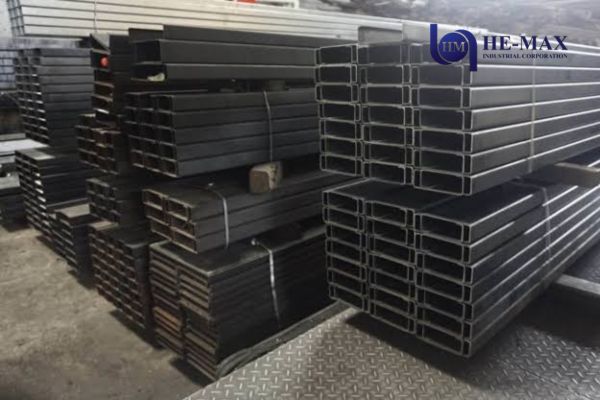
He-Max Industrial Corporation supplies C-purlins alongside a broader range of steel products for construction, industrial, and fabrication requirements. Buyers can provide their project specifications and quantity requirements when requesting pricing, so the inquiry can be reviewed according to the actual application.
Projects requiring additional steel processing can also explore He-Max’s steel product range and relevant fabrication capabilities according to their requirements.
When requesting a quotation, prepare the size, thickness, length, quantity, project location, and required timeline before contacting the supplier. This gives the sales team the information needed to understand the order and identify any specifications that require clarification.
Get a More Useful C-Purlin Quotation by Preparing the Right Details
A well-prepared quotation request gives both the buyer and supplier a clearer starting point. Providing complete dimensions, thickness, length, quantity, delivery requirements, and project timelines can reduce clarification and make quotations easier to evaluate.
Choosing a C-Purlins supplier should also involve more than comparing the lowest quoted amount. Review whether the material specifications match, determine what the price includes, check delivery and payment terms, and confirm that the supplier can support the project’s required schedule.
Ready to request pricing for your C-purlin requirements? Contact the He-Max sales team with your project specifications, quantity, delivery location, and required timeline to request a quotation for your project.