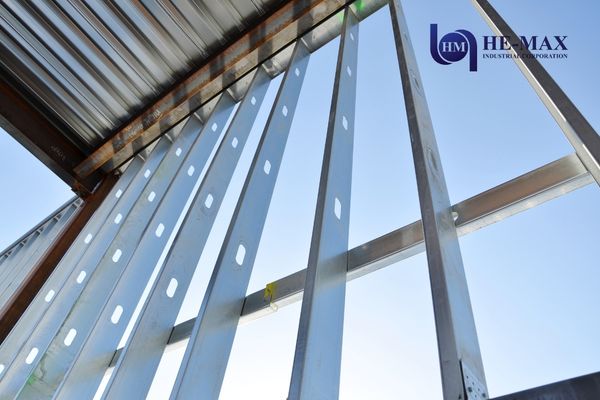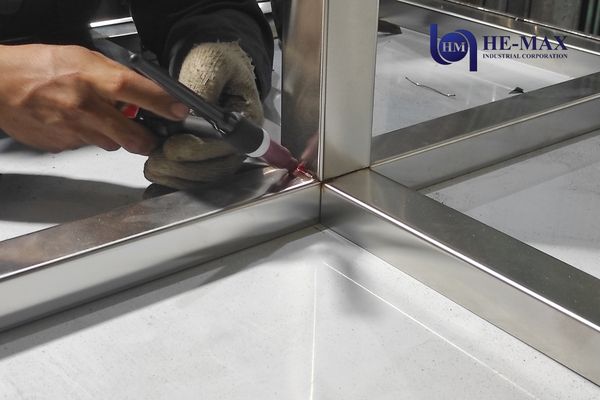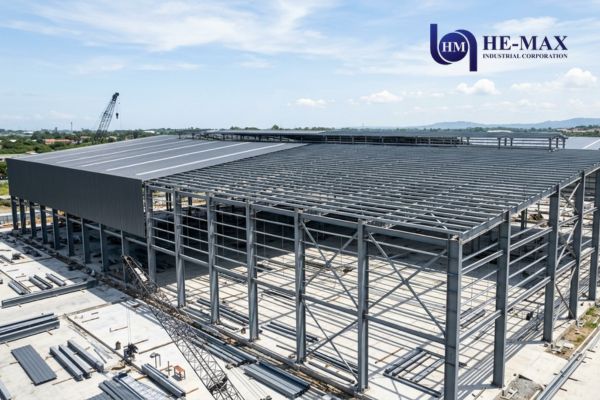
Warehouse construction in the Philippines has picked up noticeably over the past few years, driven by the growth of e-commerce, third-party logistics, and manufacturing expansion outside Metro Manila. Whether it’s a cold storage facility in Laguna or a distribution hub in Bulacan, the same principle applies: the building’s long-term durability and cost efficiency come down to the steel used in its frame, roof, and cladding. Contractors who plan their material sourcing early, especially structural sections and purlin systems, tend to avoid the delays and cost overruns that plague poorly prepared projects.
If you’re scoping out a warehouse build, one of the first things to sort out is where your steel is coming from. Working with an established C-Purlins supplier early in the planning stage helps you lock in accurate sizing, lead times, and pricing before your structural engineer finalizes the design. This article walks through the steel materials a typical Philippine warehouse project needs, why C-Purlins matter so much, and how to evaluate suppliers before you commit.
Key Steel Materials Used in Warehouse Construction
What steel materials are needed to build a warehouse in the Philippines? Most warehouse structures rely on five categories of steel: structural columns and beams, C-Purlins, MS plates, angle bars, and roofing or cladding sheets. Each plays a distinct structural role, and skipping or under-specifying any one of them creates weak points in the finished building.
- Structural steel columns and beams – the primary load-bearing frame that carries the weight of the entire structure down to the foundation.
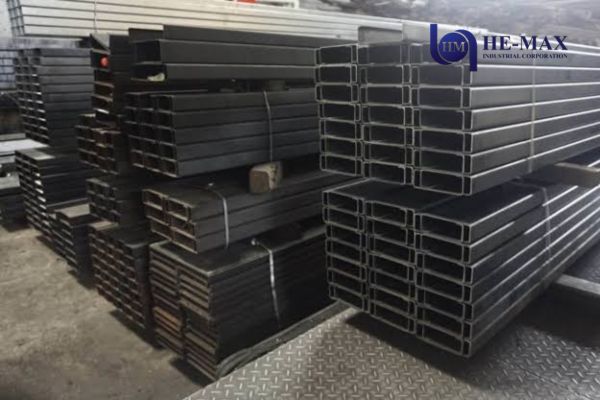
- C-Purlins – horizontal members that support the roof and wall cladding and transfer loads to the main frame.
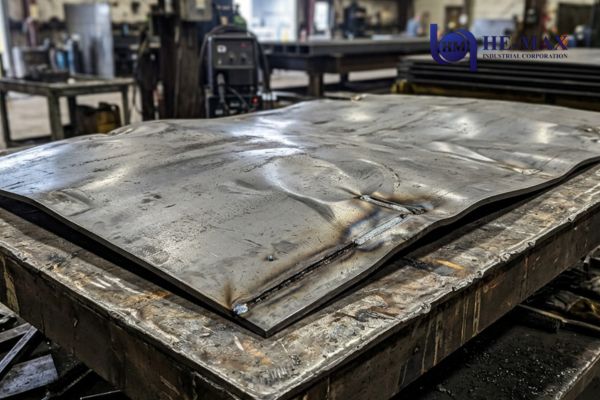
- MS plates – used for base plates, gusset plates, and connection reinforcements at structural joints.
- Angle bars – secondary bracing and framing elements that stiffen the overall structure.
- Roofing and wall cladding – corrugated steel sheets fastened directly onto the purlin system.
Sourcing these from a single structural steel supplier simplifies logistics and reduces the risk of mismatched material grades between components.
What Is C-Purlins and Why Are They Essential?
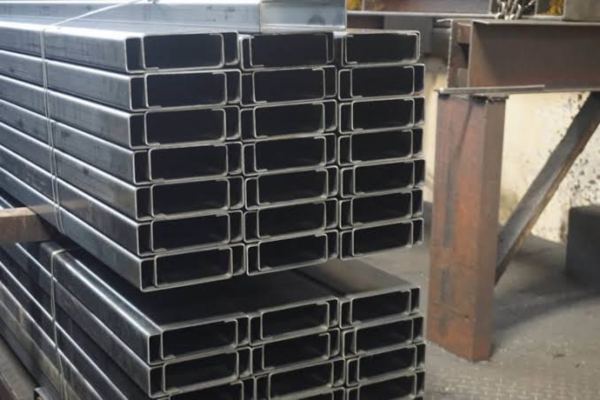
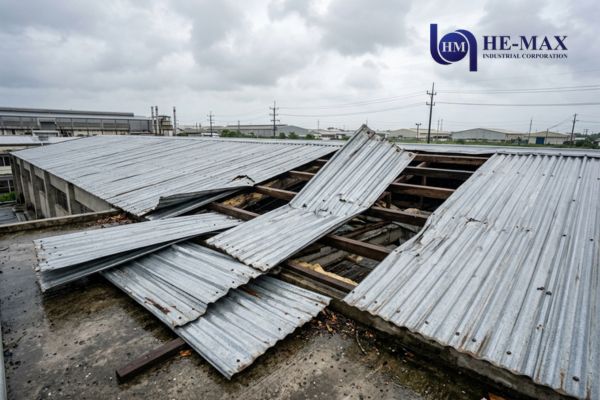
What is C-Purlins used for warehouse construction? They support the roof sheeting and wall cladding, and they transfer those loads to the primary steel frame. Without properly sized purlins, a roof system has no reliable way to resist wind uplift or distribute weight evenly, which is a real risk given the typhoon exposure most Philippine sites face.
C-Purlins are cold-formed steel purlins, meaning they’re roll-formed at room temperature into a “C” cross-section rather than hot-rolled. This process increases yield strength without adding bulk, which is exactly why the sections offer a strong strength-to-weight ratio for large-span roofs. In practice, a warehouse fabricator will spec purlin spacing and gauge based on roof pitch, wind load zone, and the type of cladding being used, then confirm the numbers against the structural engineer’s calculations before ordering.
Advantages of C-Purlins:
- Lightweight yet strong enough for long-span roof and wall systems
- Easy to cut, drill, and install on-site without specialized equipment
- Cost-effective compared to heavier structural alternatives
- Compatible with most corrugated roofing and cladding systems
| Common Purlin Size (mm) | Typical Application |
| 100 x 50 | Light-duty roof framing, small structures |
| 150 x 65 | Standard warehouse roof and wall framing |
| 200 x 75 | Wide-span roofs, industrial buildings |
| 250 x 75–100 | Heavy-duty spans, high wind exposure zones |
For coastal or high-humidity sites, many contractors specify galvanized C-Purlins Philippines projects commonly require, since the zinc coating slows corrosion in a climate where rust is a constant concern.
Other Essential Steel Components for Warehouse Projects
Beyond the core purlin and framing system, a few additional steel sections typically round out a warehouse build:
- Wide flange (WF) beams – used as primary columns and rafters for larger clear-span structures.
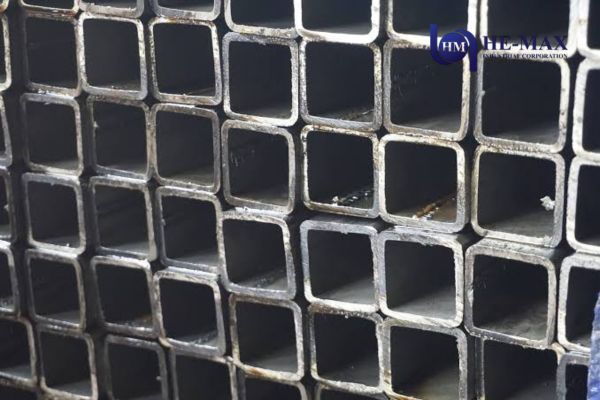
- Tubular steel sections – applied to mezzanine floors, partition framing, and secondary support.
- Flat bars and round bars – used for bracing, anchoring, and smaller connection details.
- Steel decking – provides the floor system for mezzanine or multi-level warehouse layouts.
Some projects also call for C Channel steel in place of standard C-Purlins for heavier secondary framing applications, particularly where additional torsional rigidity is needed.
How to Choose the Right Steel Materials for Your Warehouse
Getting the material specification right starts well before ordering. A few practical steps:
- Assess structural design requirements with a licensed structural engineer to confirm load specs, wind zone classification, and material grades.
- Match materials to span and height. Wider spans and taller clear heights generally require heavier sections and higher-grade steel.
- Check standards and certifications. Look for compliance with ASTM International specifications or the National Structural Code of the Philippines (NSCP).
- Factor in budget and availability. Balance upfront cost against lead time and long-term structural performance, since substituting a lighter gauge to save cost can shorten a roof system’s service life.
How to Choose the Right C-Purlins Supplier in the Philippines
How do I choose the right steel supplier for my warehouse project? Prioritize a supplier with ready stock, verifiable material certifications, transparent pricing, and dependable delivery, since these four factors have the biggest impact on whether your project stays on schedule.
- Product range and stock availability – the supplier should carry multiple purlin sizes and gauges ready for immediate delivery, not made-to-order lead times on every size.
- Material quality and certifications – ask for mill test reports and confirm steel grade compliance before placing a large order.
- Competitive, transparent pricing – request an itemized quote broken down by kilogram or linear meter so you can compare suppliers on equal footing.
- Reliable delivery and logistics – late steel deliveries are one of the most common causes of warehouse project delays.
- Technical support – a supplier who can help with quantity takeoffs and material selection saves rework later
If you’re planning a build and want to compare specs against actual stock, the He-Max team can walk through sizing and pricing directly. You can browse He-Max Industrial steel products or get in touch with the sales team to request a quote for your project.
He-Max Industrial: Trusted C-Purlins Supplier for Warehouse Construction
He-Max Industrial Corporation supplies the core materials warehouse contractors need, including C-Purlins, structural sections, MS plates, and custom-cut steel components. The company’s structural sections and bars cover the common sizes used in Philippine warehouse framing, while its custom size fabrication service handles projects that call for non-standard cuts or dimensions.
For projects that need plate work at the base or connection points, He-Max Industrial base plate cutting and drilling service and shearing and bending services support fabricators working to tight tolerances. As a steel importer operating in the Philippines, He-Max Industrial Corporation has built its reputation on consistent stock availability and material traceability rather than the lowest quoted price alone, which matters most when a delayed delivery can stall an entire project timeline.
Conclusion
A durable, cost-efficient warehouse in the Philippines depends on getting the steel specification right from the start, from structural columns and beams down to the C-Purlins that carry the roof load. Working with a certified, well-stocked C-Purlins supplier reduces the risk of delays and mismatched material grades that can compromise a build. He-Max Industrial Corporation supplies the structural steel, purlins, and fabrication services warehouse contractors rely on, and the team is ready to help you plan your next project material list from the ground up.