Structural framing is the backbone of every building project in the Philippines, whether it is a residential home in the provinces or a multi-story commercial tower in Metro Manila. The choice of framing systems affects everything downstream: budget, construction timeline, seismic performance, and long-term maintenance. Among structural engineers and contractors, one debate keeps coming up: wide flange beams or conventional framing systems?
Understanding this difference matters more than ever as project owners look closely at the wide flange price in the Philippines to decide whether steel is worth the investment over timber or concrete. He-Max Industrial Corporation, a longtime steel importer and fabricator, works with contractors and engineers across the country to source and process wide flange sections, so this comparison draws on real sourcing and fabrication patterns we see on the ground.
What Are Wide Flange Beams?
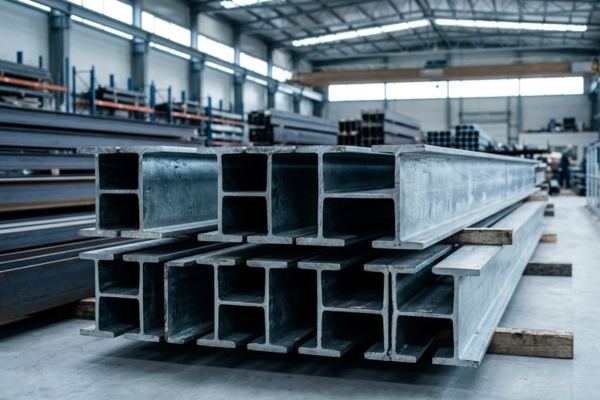
What is the difference between wide flange beams and conventional framing systems? In short, wide flange beams are H-shaped steel sections engineered for heavy, evenly distributed loads, while conventional framing relies on timber, concrete, or light gauge steel assembled piece by piece. The structural logic behind each system is fundamentally different.
A wide flange beam, often labeled W-shape, has wide, flat flanges connected by a web. This geometry gives it a high strength-to-weight ratio, meaning it can carry substantial loads without adding unnecessary bulk. Key characteristics include:
- High strength-to-weight ratio for efficient load distribution
- Broad flange width that improves bending resistance
- Availability in a wide range of wide flange sizes in the Philippines, from smaller residential-grade sections to heavy industrial profiles
Contractors commonly specify wide flange sections for multi-story building columns and beams, bridge girders, and the primary frameworks of warehouses and industrial facilities.
What Are Conventional Framing Systems?
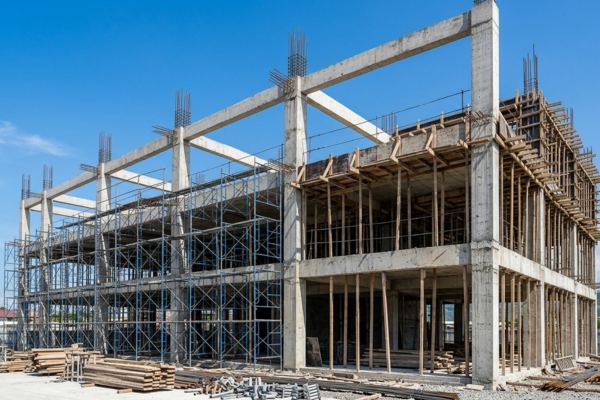
Conventional framing covers the traditional building methods most Filipino contractors grew up working with. It falls into three categories:
- Wood or timber framing – still common in rural and residential construction, though increasingly limited by lumber cost and availability.
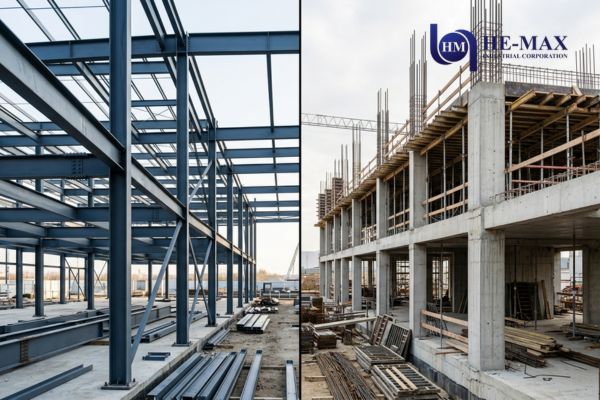
- Reinforced concrete frames – the dominant structural system for mid-rise buildings across the Philippines, valued for its mass and fire resistance.
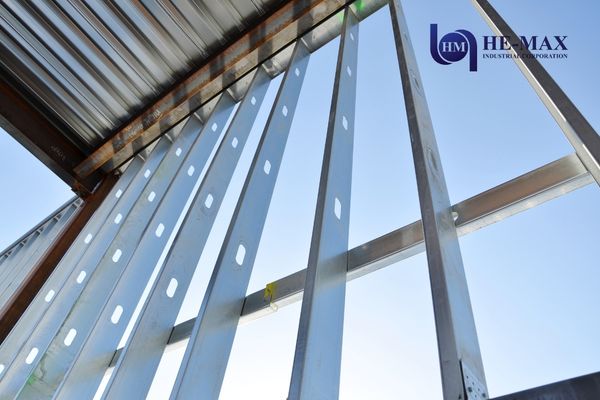
- Light gauge steel framing – typically used for partition walls and non-load-bearing elements rather than primary structure.
These systems suit low-rise residential homes, small commercial structures, and interior partitions where large open spans are not a priority.
Wide Flange Beams vs. Conventional Framing: A Direct Comparison
When should I use wide flange beams instead of conventional steel framing? Wide flange is the better choice whenever a project needs longer spans, faster erection, or better performance under Philippine seismic and typhoon loads. Conventional framing still holds an edge for smaller, budget-driven residential builds.
| Factor | Wide Flange Beams | Conventional Framing |
| Structural strength | Carries heavier loads over longer spans | Limited span capacity, more support points needed |
| Construction speed | Prefabricated sections erect quickly | Concrete pouring and curing extend timelines |
| Design flexibility | Enables large column-free spaces | Restricted by material span limits |
| Durability | Resists deformation under sustained load | Timber degrades faster; concrete is heavy but rigid |
| Maintenance | Periodic coating or treatment needed | Timber is vulnerable to moisture and pests |
| Seismic/typhoon performance | Ductile behavior absorbs lateral forces well | Performance varies by system and reinforcement |
For structures in typhoon-prone or earthquake-risk zones, this is where the steel frame house vs concrete conversation usually lands: steel’s ductility allows it to flex and absorb energy during seismic events, while concrete relies on mass and reinforcement detailing to achieve similar resilience. Both can perform well when properly engineered, but the design philosophy differs considerably.
Cost Comparison: Is Wide Flange Worth the Investment?
Choosing the right framing system is not only a structural decision. It directly shapes the total project budget and long-term value, so it deserves a closer look before committing.
Upfront, wide flange steel costs more than timber but less than a full reinforced concrete frame once formwork, rebar, and curing time are factored in. Labor is where the real savings show up: because sections arrive fabricated to spec, erection time drops significantly compared to pouring and curing concrete on site, which reduces overall labor expense.
Regarding the wide flange price in the Philippines specifically, rates vary by size, weight per meter, and prevailing steel market conditions. Sourcing locally through an established wide flange steel supplier typically reduces freight and lead-time costs compared to importing custom orders. Over the life of the structure, lower maintenance needs and a longer service life often offset the higher initial price, making the total cost of ownership more favorable than it first appears.
When to Choose Wide Flange Beams Over Conventional Framing
Wide flange sections make the most sense for:
- Large-span structures such as warehouses, factories, and retail buildings needing open floor plans
- Multi-story buildings requiring high vertical load capacity
- Fast-track projects where erection speed is critical
- Seismic and wind-resistant designs in typhoon-prone regions
- Industrial facilities housing cranes, heavy equipment, or high-density racking
If your project fits any of these categories, it is worth requesting current pricing and stock details before finalizing your structural design. Reach out to He-Max Industrial through our services team to discuss availability and lead times for your specific requirements.
He-Max Industrial: Your Wide Flange Supplier in the Philippines
He-Max Industrial Corporation supplies a range of wide flange beam sections to contractors, fabricators, and project developers nationwide, including standard wide flange commercial length in the Philippines to reduce on-site cutting and material waste. Our steel meets ASTM material standards, and pricing is kept competitive by working directly with mills and maintaining local inventory.
Beyond supply, He-Max Industrial offers in-house custom size fabrication and shearing and bending services for projects that need beams processed to exact specifications. Structural engineers and procurement officers evaluating suppliers are welcome to browse our steel product range or view our project portfolio for examples of completed work.
Conclusion
Wide flange beams and conventional framing each have a place in Philippine construction. Conventional systems, whether timber, concrete, or light gauge steel, remain practical for smaller residential and low-rise projects. Wide flange steel earns its place in large-span, multi-story, and fast-track builds where structural performance and erection speed matter most.
The right choice depends on project scale, budget, and site conditions, particularly seismic and wind exposure. For teams weighing the current wide flange price in the Philippines against project requirements, He-Max Industrial Corporation is ready to help. Visit He-Max Industrial or get in touch with our sales team to request a quote and confirm current stock availability.