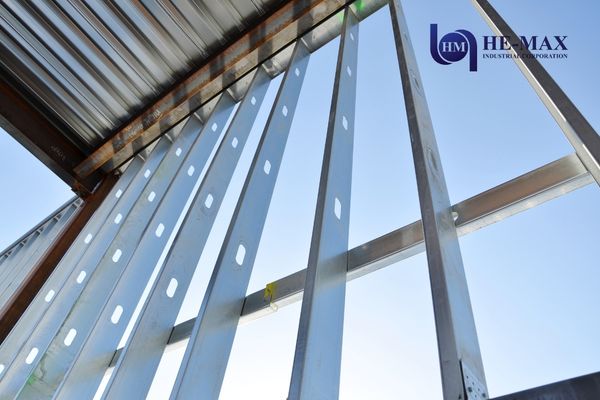
Solar farms are spreading across former rice lands in Central Luzon. Rooftop panels are climbing onto warehouses in Laguna and Cavite. The Philippines is moving faster toward renewable energy, and few people outside the industry realize how much of that shift depends on steel. Behind every solar array, wind tower, and hydro installation is a network of fabricated steel components engineered to survive typhoons, humidity, and decades of continuous load.
Steel fabrication in the Philippines is the quiet backbone of this transition. Mounting frames, support structures, turbine housings, and containment systems all start as raw steel before they become the skeleton of a renewable energy project. Contractors who understand this early tend to avoid costly redesigns later. He-Max Industrial Corporation works with engineers and project developers who need structural reliability built in from the start.
The Role of Metal Fabrication in Renewable Energy Projects
Steel fabrication supports renewable energy infrastructure by turning raw material into the structural components that hold, protect, and stabilize energy-generating equipment. Without precisely fabricated steel, solar panels would have no secure mounting, wind towers would lack structural integrity, and hydro systems would have no housing for their moving parts. This growing reliance on metal fabrication in the Philippines reflects how central steel has become to renewable energy project timelines, not just an afterthought once the electrical design is finished.
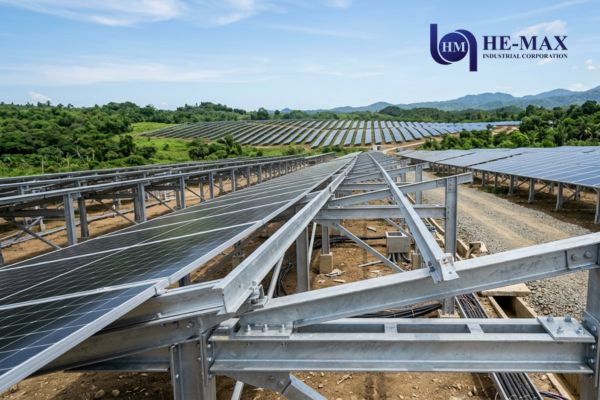
- Solar panel mounting structures are the most visible application. These are fabricated steel frames engineered to hold photovoltaic panels at the correct tilt angle while resisting wind uplift, a real concern given how often the Philippines experiences strong typhoon winds.
- Ground-mounted and rooftop support frames differ significantly depending on installation scale. Ground-mounted arrays typically use heavier structural steel driven into foundations, while rooftop systems require lighter, load-optimized frames that distribute weight evenly across existing roof structures.
- Wind energy components demand tighter tolerances. Tower sections, base flanges, and nacelle housings require precision welding and cutting, since even small misalignments can compromise structural stability at height.
- Hydroelectric and biomass parts round out the picture, with fabricated pipelines, turbine housings, and containment systems built to handle constant water flow or biomass processing without corrosion failure.
Key Metal Fabrication Processes for Renewable Energy
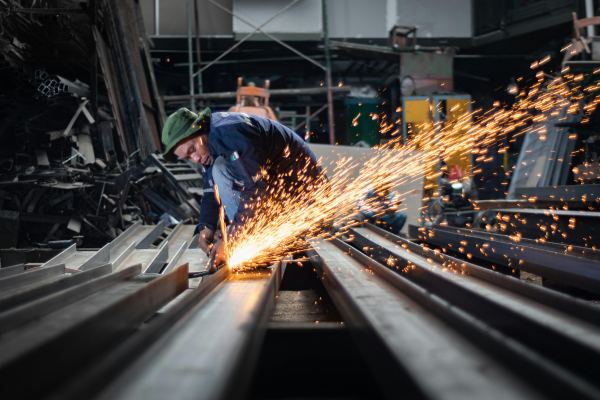
The fabrication services used in renewable energy projects in the Philippines generally fall into five categories, each suited to a different stage of production. Together, they reflect standard industrial steel fabrication practice adapted to the specific tolerances and corrosion demands of energy infrastructure.
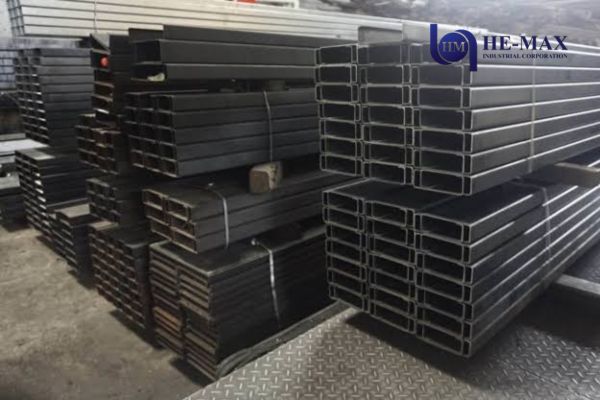
- Structural Steel Fabrication – Cutting, bending, and welding heavy steel sections into the load-bearing frames used for solar arrays and wind tower bases.
- Laser Cutting and Precision Machining – Producing tight-tolerance mounting hardware, brackets, and clamps where accuracy directly affects panel alignment. He-Max’s fiber laser cutting service is often used for this stage.
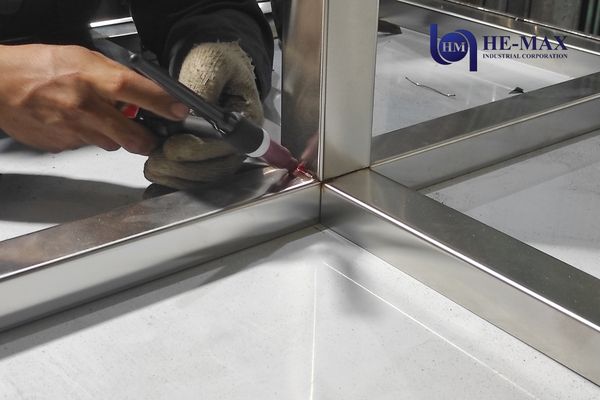
- Welding and Assembly – MIG, TIG, and arc welding methods applied depending on the steel grade and stress requirements of the structure.
- Hot-Dip Galvanizing – A zinc coating process that protects fabricated steel from corrosion, particularly important given the Philippines’ humid, coastal climate.
- Custom Fabrication – Bespoke components built directly from engineering drawings, useful when a project’s specifications fall outside standard catalog sizes. He-Max’s custom size fabrication service covers this need.
| Process | Typical Application | Key Consideration |
| Structural fabrication | Tower bases, mounting frames | Load capacity, weld strength |
| Laser cutting | Brackets, hardware | Dimensional accuracy |
| Hot-dip galvanizing | Outdoor structures | Corrosion resistance |
| Custom fabrication | Non-standard components | Engineering drawing accuracy |
Why Steel Fabrication in the Philippines Supports Renewable Energy Growth
Metal fabrication matters for the renewable energy industry in the Philippines because local production capacity directly decides how fast and how affordable projects can be built. Four factors drive this.
Rising energy demand, supported by the country’s renewable energy targets, is pushing developers toward local fabricators who can scale output without long import lead times. Cost efficiency follows naturally: sourcing structural steel domestically reduces shipping costs and shortens project timelines compared to importing finished components. Standards compliance also matters, since structural steel fabricators aligned with AISC welding codes, AWS procedures, and relevant Philippine construction standards give engineers confidence that structures will pass inspection. Finally, local workforce capability has grown considerably, with Filipino fabricators now experienced in both structural and precision metalwork for energy-sector projects.
What to Look for in a Steel Fabrication Partner
Not every fabricator is equipped for renewable energy work. Many procurement officers now specify metal works in the Philippines as a required line item when scoping renewable energy contracts, precisely because structural quality has such a direct effect on long-term maintenance costs. Four qualities separate reliable partners from the rest:
- Production capacity — equipment and floor space to handle projects ranging from single rooftop arrays to utility-scale solar farms.
- Energy sector experience — a record of accomplishment with solar, wind, or related infrastructure, not just general construction steel.
- Quality certifications — ISO-aligned processes, material traceability, and documented weld inspection.
- End-to-end service — support from design review through fabrication and delivery coordination, reducing the number of vendors a project has to manage.
He-Max Industrial: Steel Fabrication for Renewable Energy in the Philippines
He-Max Industrial Corporation has built its fabrication capabilities around exactly these requirements. As a trusted steel importer , He-Max Industrial combines material sourcing with in-house structural fabrication, so project teams aren’t coordinating between separate suppliers and fabricators.
For renewable energy applications specifically, He-Max’s structural fabrication and custom metalwork capabilities cover mounting frame production, precision-cut hardware, and non-standard components built from engineering drawings. Services such as shearing and bending and base plate cutting and drilling support the structural demands of both ground-mounted and rooftop solar installations.
Project developers evaluating fabrication partners can review He-Max’s steel product range or browse completed projects to see how these capabilities apply in practice. For specific project requirements, it’s worth reaching out directly through contact page to discuss timelines, steel grades, and fabrication scope before completing project plans.
Conclusion
Renewable energy infrastructure is only as reliable as the steel holding it together. Solar mounts, wind tower sections, and hydro components all depend on fabrication quality that most people never see, but every engineer and procurement officer on a project quickly learns to value it. As demand for steel fabrication in the Philippines continues to grow alongside the country’s renewable energy targets, choosing a fabrication partner with proven capacity, sector experience, and certified quality processes will remain one of the most consequential decisions a project team makes. Visit He-Max Industrial to explore He-Max Industrial’s fabrication services and discuss your project’s specific structural steel requirements.