Choose the wrong purlin and you’re not just making a budget mistake — you’re building a structural liability. Purlins are the horizontal members that support roof cladding and transfer loads to the main structural frame. Get them right, and your roof performs reliably for decades. Get them wrong, and you’re looking at deflection, corrosion, or worse — failure under load.
For contractors and builders in the Philippines, the choice always comes down to two options: tubular purlins or C-purlins. Both are widely available from any established C-purlins supplier, both are used across residential, commercial, and industrial roofing — and both have distinct advantages depending on the application.
This article breaks down the differences clearly so you can make the right call for your next project.
Understanding Purlins: What They Are and Why They Matter
Purlins span horizontally between rafters or trusses, providing the structural framework that roof sheets, tiles, or panels attach to. Without properly specified purlins, even a well-designed roof frame can fail to distribute loads correctly.
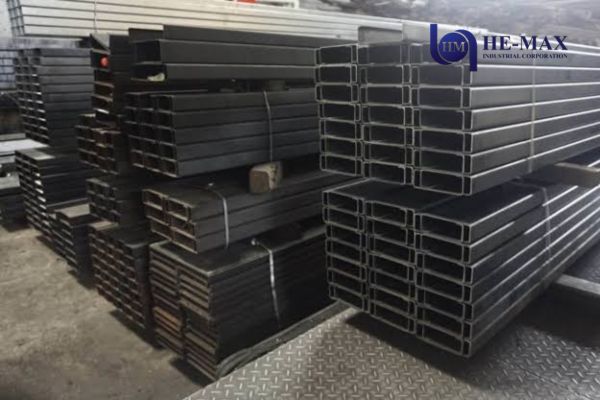
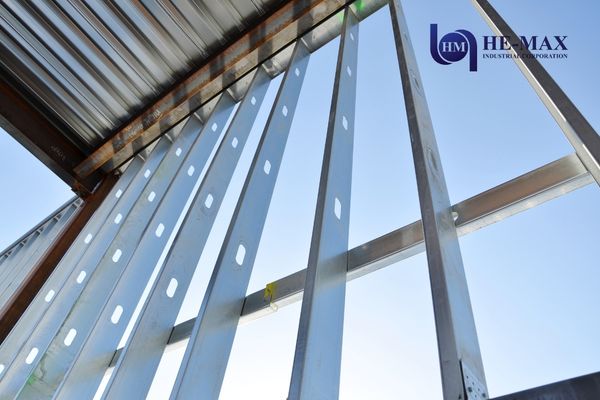
- C-purlins — also called C-channels or C-sections — have an open channel profile resembling the letter C. They’re cold-formed from steel coil, lightweight, and easy to handle on site. C-purlins are a staple in light-gauge roofing applications: residential homes, light commercial structures, and agricultural buildings.
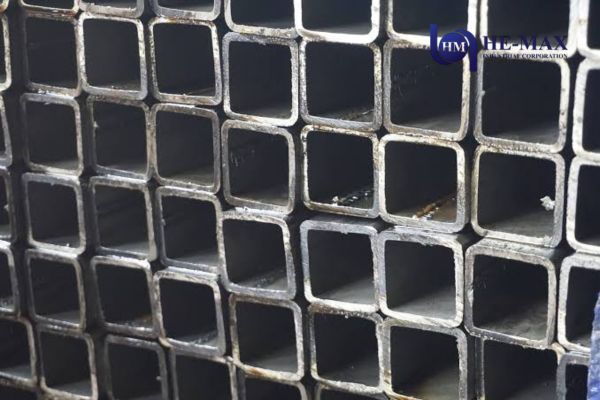
- Tubular purlins — typically rectangular hollow sections (RHS) — are closed-form steel profiles with four fully enclosed sides. They’re manufactured from hot-rolled or cold-formed steel and offer a fundamentally different structural behavior than open sections.
Both types are produced to standard specifications and are widely available through steel distributors and C-purlins suppliers in the Philippines. The choice between them isn’t about which is universally better — it’s about which is better for your specific project conditions.
Strength and Structural Performance: What’s the Real Difference?
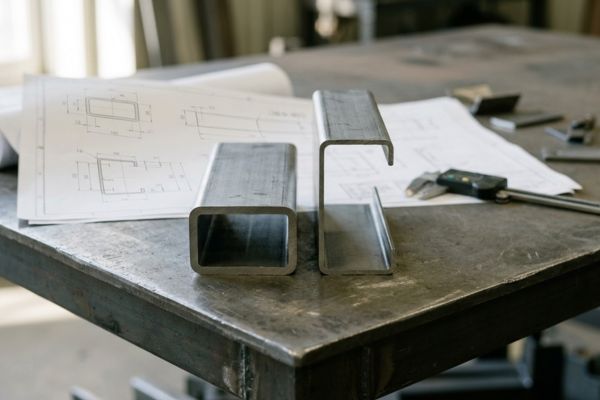
The difference between tubular purlins and C-purlins for roofing comes down to one core structural principle: open sections vs. closed sections.
C-purlins, as open sections, are susceptible to lateral torsional buckling — twisting under load, especially over longer spans. They perform well in light-load applications with standard rafter spacing, but their open profile limits their efficiency when spans increase or loads intensify.
Tubular purlins, as closed hollow sections, are inherently more resistant to twisting and lateral buckling. The enclosed profile distributes stress more evenly, giving tubular steel purlins a higher strength-to-weight ratio in demanding conditions.
| Performance Factor | C-Purlins | Tubular Purlins |
| Resistance to lateral buckling | Moderate | High |
| Load-bearing capacity | Suitable for light loads | Suitable for heavy loads |
| Span capability | Short to medium spans | Medium to long spans |
| Resistance to twisting | Lower | Higher |
| Performance in typhoon conditions | Adequate for light structures | Preferred for wind-critical structures |
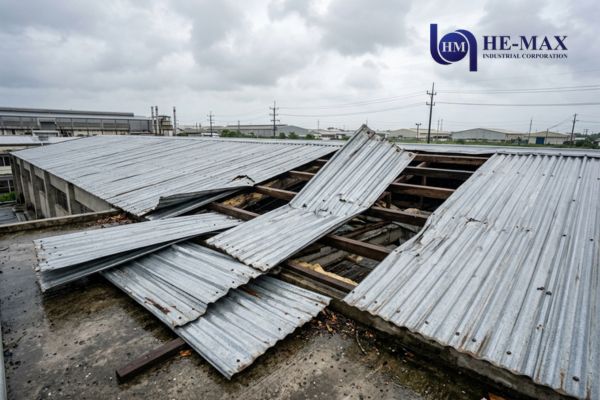
In the Philippine context — where typhoons regularly test structural limits — structural steel purlins in tubular form offer a meaningful performance advantage for any building where wind uplift is a design consideration.
Cost Comparison: Which Purlin Type Delivers Better Value?
Tubular purlins are stronger — but are they more cost-effective? The answer depends on what you’re building and how you calculate cost.
- Material cost: C-purlins are less expensive per linear meter than tubular purlins of equivalent depth. For budget-sensitive residential projects, this difference is significant at scale.
- Installation cost: C-purlins are lighter and faster to install, reducing labor time. Tubular purlins require more precise handling and connection detailing, which can add to installation hours.
- Long-term cost: Here’s where tubular purlins gain ground. Their closed section offers better corrosion resistance — moisture and contaminants can’t accumulate inside the profile the way they can in an open C-section. Over a 20–30-year building lifespan, reduced maintenance and replacement costs can offset the higher upfront material price.
Project scale matters:
- Small residential builds — C-purlins typically deliver the better cost-to-performance ratio. Loads are light, spans are short, and budget efficiency matters most.
- Large commercial or industrial builds — The structural advantages of tubular purlins often justify the cost premium, particularly where long spans, heavy roofing systems, or wind exposure are factors.
- The real question isn’t which purlin is cheaper — it’s which purlin reduces your total project cost, including maintenance, over the building’s full-service life.
Which Purlin Should You Use for Your Roofing Project in the Philippines?
Contractors across the Philippines regularly face this decision. The right answer depends on four variables: span length, roof load, structural design requirements, and budget.
Residential Roofing
For standard residential builds with conventional rafter spacing and light-to-medium roof loads, C-purlins for roofing are the practical choice. They’re cost-effective, easy to source, and perform reliably within their design limits. Most residential designs don’t push into the load or span ranges where tubular purlins become necessary.
Commercial and Industrial Roofing
Warehouses, factories, hangars, and large commercial structures are where tubular steel purlins earn their premium. Longer spans between structural supports, heavier roof systems, greater wind exposure, and stricter serviceability requirements all favor the closed-section profile. For these applications, specifying C-purlins to cut costs often creates structural compromises that cost more to address later.
Additional Considerations
- Span length: Spans beyond 4–5 meters benefit from tubular sections
- Roof load: Heavy cladding, solar panels, or equipment mounts increase the case for tubular purlins
- Wind exposure: Buildings in typhoon-prone areas or elevated locations warrant higher-performance sections
- Sourcing: Confirm your chosen purlin type and size is consistently available from a reliable C-purlins supplier in the Philippines before finalizing specifications
Always consult a licensed structural engineer before finalizing purlin specifications. Purlin selection directly affects building safety and code compliance — it’s not a decision to make on cost alone.
How He-Max Industrial Supports Your Purlin Requirements
He-Max Industrial stocks both C-purlins and tubular purlins across a range of sizes and specifications, serving contractors, builders, and developers throughout the Philippines.
As a dependable steel purlins Philippines supplier, He-Max Industrial maintains consistent inventory of purlins for roofing in standard sizes — reducing the sourcing delays that can stall project timelines. Whether your project calls for light C-sections on a residential frame or heavy rectangular hollow sections on an industrial roof, their team can confirm stock availability and provide specifications to support your design process.
He-Max Industrial also offers technical support to help clients select the right purlin size and grade for their application — a practical advantage when working on projects where structural requirements need to be matched precisely to available stock.
For product listings, size specifications, and project inquiries, visit He-Max Industrial.
Conclusion: Match the Purlin to the Project
Tubular purlins offer superior structural performance — higher resistance to buckling, better corrosion resistance, and greater reliability over long spans and under heavy loads. C-purlins offer cost efficiency and ease of installation for lighter, shorter-span applications.
Neither is universally better. The right choice depends on your project scale, structural requirements, and budget — and sourcing from a reliable C-purlins supplier ensures the specifications you design to are consistently available when your project needs them.
Ready to specify or source purlins for your next project?
Explore He-Max Industrial’s full range of C-purlins and tubular steel purlins at He-Max Industrial, or contact the team directly for stock availability, size specifications, and project inquiries.