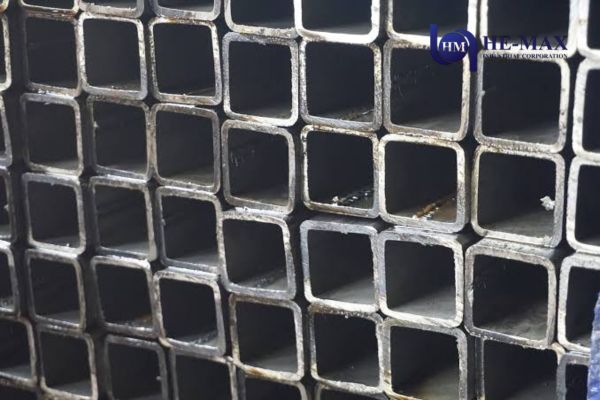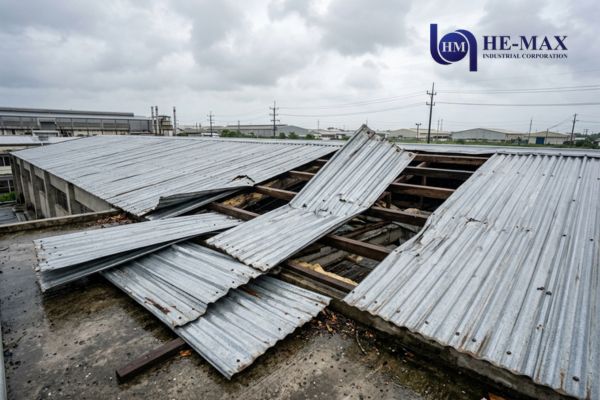
Modern Filipino homes are leaning into steel. Sleek black gates, floating stairs, open carports, industrial-style shelves: look closely and you will often find the same humble section doing the work behind the scenes. It is the channel bar, a steel section shaped like the letter C.
Steel channel bars are versatile enough for both structural and functional jobs. They can reinforce a frame, carry a roof, hold up a gate, or anchor a garage storage rack. Their flat back and open profile make them easy to cut, weld, bolt, and finish, which is why fabricators and contractors keep reaching for them.
If you are planning a build or renovation and checking the latest channel bar price in the Philippines, this guide will help you understand where channel bars fit in a modern home, which sizes suit which jobs, and what to settle before you order.
Why Are Channel Bars Used in Modern Homes?
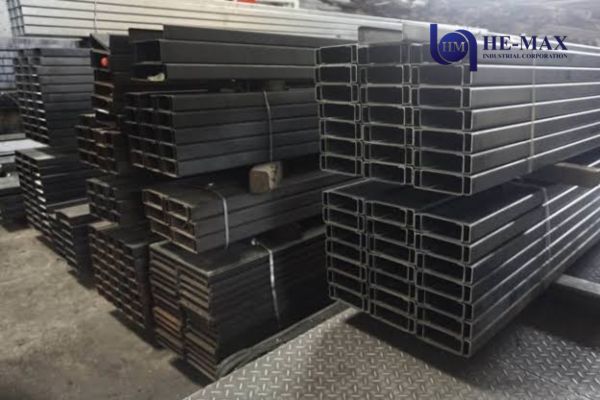
A channel bar (also called C-channel, U-channel, or simply “channel”) has a vertical web joined at right angles to two flanges on one side. That simple profile gives it four qualities homeowners and fabricators value.
- Strength and rigidity: the C shape resists bending far better than a flat bar of similar weight, so channels can span openings and carry moderate loads.
- Versatility: the same section works as a frame member, a stiffener, a post, a lintel, or a shelf rail.
- Easy fabrication: the flat web and flanges are simple to cut, drill, weld, and bolt, and they sit flush against walls, slabs, and other members.
- Clean, modern look: exposed channels suit industrial, minimalist, and contemporary designs, especially when painted matte black or charcoal.
Channels also come in a wide range of channel bar sizes, from small bar-size channels to heavy structural sections. Bar-size channels are the smaller end of the range; steelmaker Gerdau notes they are typically used in lighter jobs such as racking, shelving, and ornamental work.
7 Applications of Channel Bars for a Modern Home

So, where can channel bars be used in a modern home? Here are the most common channel bar uses in residential construction.
1. Structural Framing and Supports
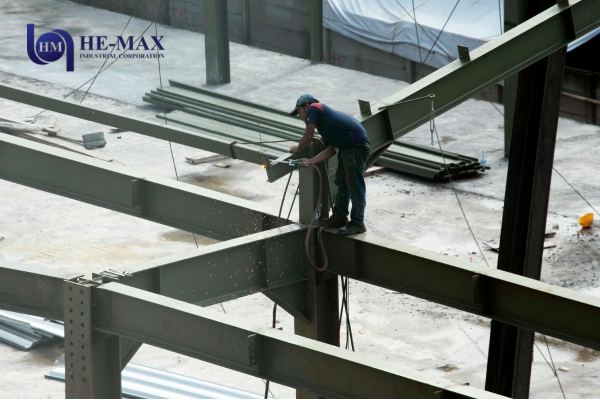
Channels serve as lintels over wide openings, edge beams for small slabs and mezzanines, wall stiffeners, and reinforcement for existing framing. In steel-framed extensions, they can act as secondary beams between main supports.
Important: any load-bearing use should follow your engineer’s design and the National Structural Code of the Philippines (NSCP).
2. Roofing Frameworks
Using a channel bar for roofing is one of the most common residential applications. Channels form rafters, ridge supports, trusses, and the main frame that C and Z purlins sit on. They are also popular for flat-roof decks and roof extensions over terraces.
Example: a two-storey house in Rizal adding a roof deck might use 100 x 50 or 125 x 65 channels as rafters, with purlins and G.I. sheets on top.
3. Gates and Fences
The flat back of a channel makes a rigid, straight frame for sliding and swing gates. Infill can be flat bar slats, perforated sheet, or wood planks for a modern look. Heavier channels also make sturdy gate posts and fence frames.
4. Staircases and Railings
Channels are a favorite for stair stringers, especially floating or open-riser stairs where the steel is left exposed. Treads of wood, concrete, or checkered plate sit on welded angle or plate brackets. Smaller channels work as handrail frames and balcony railings.
5. Door and Window Frames
Where steel construction is appropriate, channels frame wide sliding doors, steel-and-glass partitions, garage doors, and large window openings. They also reinforce openings cut into existing walls during renovations.
6. Shelving and Storage Systems
In garages, kitchens, laundry areas, and home workshops, bar-size channels make strong uprights and rails for open shelving, tool racks, and storage lofts. They suit the industrial-style kitchens and “workshop garages” many homeowners now favor.
7. Outdoor Structures
Carports, canopies, pergolas, and patio covers often use channels as beams and rafters. Outdoor structures need proper corrosion protection, such as galvanizing or a primer plus a quality topcoat, because humidity and rain speed up rust.
What Should You Consider When Using Channel Bars at Home?
- Pick the right size and specifications. Match depth, flange width, thickness, and length to the job. As one U.S. steel distributor puts it, “The larger the load, the greater the thickness and flange size you’ll likely need.”
- Decide if the use is structural or non-structural. A shelf rail or decorative gate frame has very different demands from a roof rafter or stair stringer. Structural members need calculated sizes, proper connections, and correct steel grade.
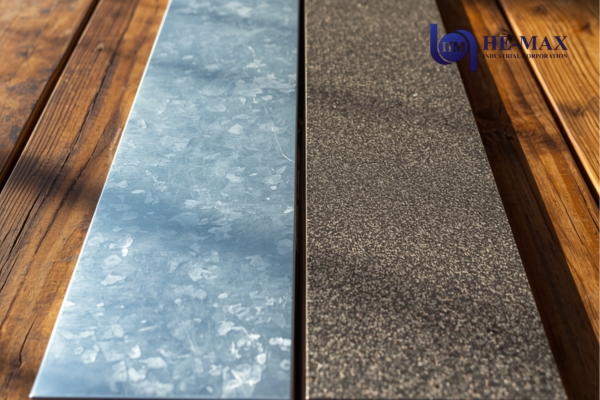
- Plan for indoor or outdoor exposure. Indoors, a primer and paint finish is usually enough. Outdoors, plan for galvanizing or a high-quality coating system. The American Galvanizers Association reports that zinc coatings corrode at roughly 1/30 the rate of bare steel, a big advantage in the Philippines’ humid, rainy climate.
- Consult qualified professionals. For roofs, mezzanines, stairs, carports, and anything carrying people or heavy loads, work with a licensed civil or structural engineer and an experienced fabricator
Pro tip: order channels cut to length and pre-drilled where possible. Less cutting on site means faster installation, cleaner edges, and less waste.
How Much Do Channel Bars Cost in the Philippines?
Channel bar price in the Philippines depends on size, thickness, length, specifications, quantity, and market conditions. Steel prices move with global supply, freight, and the peso-dollar exchange rate, so any fixed price posted online may already be outdated.
| Price factor | How it affects cost |
|---|---|
| Size and weight per meter | A 150 x 75 channel at 18.6 kg/m uses about twice the steel of a 100 x 50 at 9.36 kg/m |
| Thickness | Thicker webs and flanges add weight and cost |
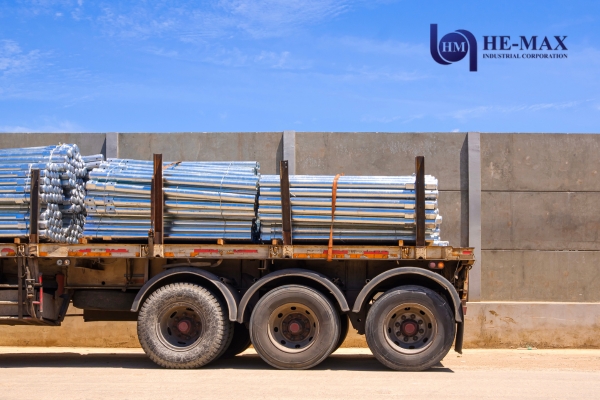
| Length | Standard 6 m lengths vs. cut-to-length pieces |
| Specifications | Grade, standard (JIS vs. ASTM), and finish (black vs. galvanized) |
| Quantity | Larger orders usually get better per-unit pricing |
| Market conditions | Global steel prices, shipping, and exchange rates |
| Fabrication | Cutting, drilling, bending, and welding add to the total |
Buyer tip: compare quotes on the same size, thickness, and weight per meter. A lower price per piece can simply mean a lighter section.
Homeowners and contractors get the most accurate figure by requesting a quotation with exact sizes, lengths, and quantities.
Frequently Asked Questions
What are channel bars used for in residential construction?
Channel bars are used for framing and supports, roof frameworks, gates and fences, stair stringers and railings, door and window frames, shelving, and outdoor structures like carports and pergolas.
Where can channel bars be used in a modern home?
Almost anywhere steel framing or support is needed: roof decks, carports, gates, floating stairs, balcony railings, garage shelving, kitchen racks, steel-and-glass partitions, and patio canopies.
Can channel bars be used for roofing?
Yes. Channels are commonly used as rafters, trusses, and main roof frames that support purlins and roofing sheets. Sizes should be based on span and load, as specified by an engineer.
What channel bar sizes are common for homes?
Sizes from 75 x 40 mm to 150 x 75 mm cover most residential needs, with bar-size channels used for light shelving and decorative work. Heavier structural uses may require larger sections.
How much do channel bars cost in the Philippines?
Prices vary with size, thickness, length, specifications, quantity, and market conditions. Request an updated quotation from your supplier based on your project requirements.
Find Channel Bars for Your Home Project at He-Max Industrial
From roof frames and carports to gates, stairs, and garage shelving, channel bars give modern homes strength with a clean, contemporary look. He-Max Industrial Corporation imports, wholesales, retails, and fabricates steel for construction and fabrication projects, with an office in Caloocan City and warehouses in Meycauayan and Marilao, Bulacan.
Before you finalize your budget around a channel bar price in the Philippines, get a quote based on your exact sizes, lengths, and quantities, plus any cutting or bending you need. Browse the full range of He-Max steel products to plan your materials.
Planning a build or renovation? Contact He-Max Industrial to ask about channel bar specifications, availability, and current pricing. Call the trunkline at (632) 8275-3888, text or call 0917-115-8387, or email hemaxsales@gmail.com.