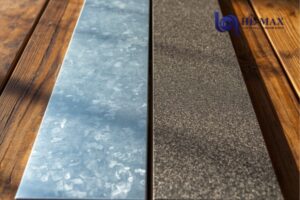
Walk through any construction site in the Philippines and you will find two kinds of steel side by side. One has a bright, silvery, sometimes spangled finish. The other is darker, plainer, and often painted later. Both are steel. The difference is a thin layer of zinc, and that layer changes how long the material lasts, how much maintenance it needs, and what it costs.
If you are comparing quotes or checking the latest galvanized sheet price in the Philippines, it helps to know what you are actually paying for. The right choice depends on four things: your application, the environment, your maintenance plan, and your budget.
This guide breaks down galvanized steel vs. non-galvanized steel in plain terms, with a side-by-side comparison, pricing factors, and a practical checklist for choosing the right material.
What Is the Difference Between Galvanized and Non-Galvanized Steel?
The main difference is a zinc coating. Galvanized steel is coated with zinc to protect it from rust. Non-galvanized steel has no zinc layer, so it relies on paint, primer, or a dry indoor environment for protection. The base steel underneath can be the same
Galvanized Steel
Galvanizing bonds a layer of zinc to the steel surface, usually by dipping it in molten zinc. That coating protects in two ways:
- Barrier protection: the zinc physically blocks moisture and oxygen from reaching the steel
- Sacrificial protection: zinc corrodes first, so even if the coating is scratched, nearby zinc keeps protecting the exposed steel
The result is impressive galvanized steel durability. According to the American Galvanizers Association (AGA), a hot-dip galvanized coating generally corrodes at about 1/30 the rate of bare steel in the same environment.
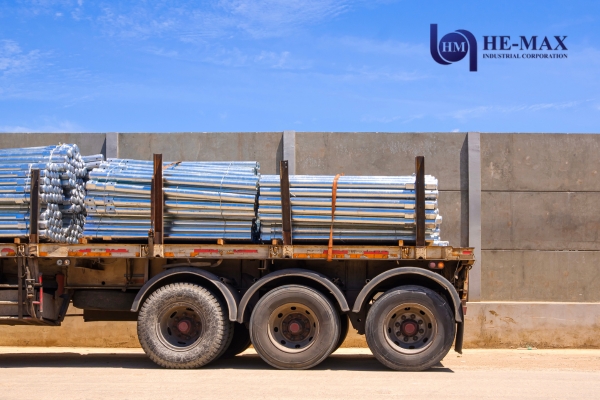
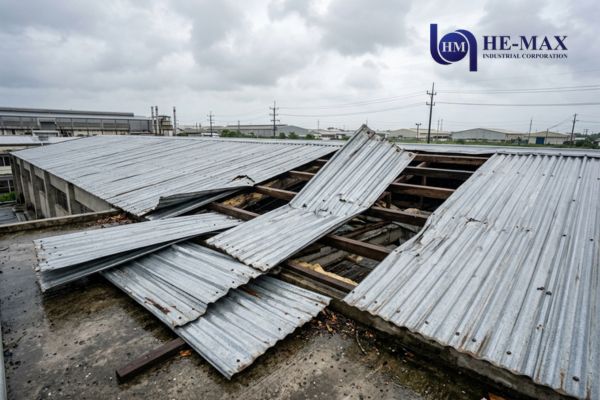
Common applications: roofing and wall cladding, gutters, G.I. purlins, G.I. pipes for water lines and fencing, ducting, and any structure exposed to rain, humidity, or salt air.
Non-Galvanized Steel
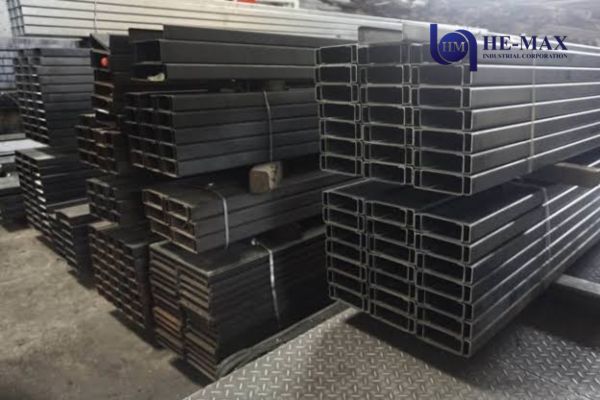
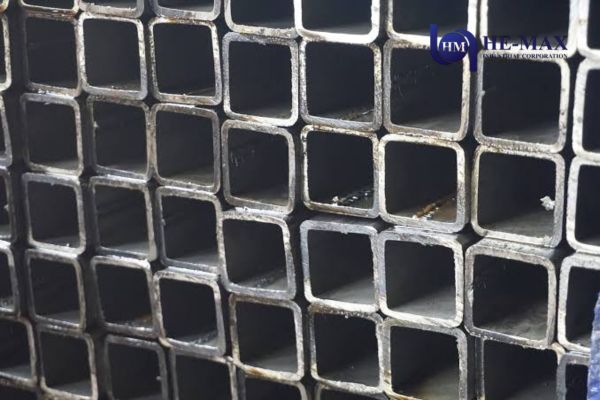
Non-galvanized steel, often called black iron (B.I.), mild steel, or simply regular steel, has no zinc coating. It typically has a dark mill-scale finish from hot rolling or a smooth gray surface from cold rolling.
Without protection, it will rust when exposed to moisture. That does not make it inferior. It is the go-to choice when:
- The steel will be used indoors or in dry, controlled conditions
- It will be painted, powder-coated, or encased in concrete
- It needs heavy welding, machining, or fabrication before finishing
- Budget is a primary concern
Common applications: structural frames, mild steel plates, B.I. sheets and coils, base plates, machinery parts, and fabricated components to be painted on site.
Galvanized vs. Non-Galvanized Steel: Key Differences
Here is how galvanized steel vs. regular steel compares across the factors buyers care about most.
| Factor | Galvanized steel | Non-galvanized steel |
|---|---|---|
| Corrosion resistance | High; zinc acts as barrier and sacrificial layer | Low unless painted or coated |
| Durability and maintenance | Decades with little upkeep in most outdoor settings | Needs regular painting or recoating outdoors |
| Upfront cost | Higher per kilo or per sheet | Lower |
| Long-term cost | Often lower over the structure’s life | Can rise with repainting and repairs |
| Appearance | Silvery, matte, or spangled; dulls to gray patina | Dark mill scale or plain gray; ready for paint |
| Fabrication | Welding needs ventilation for zinc fumes; cut edges need touch-up | Easy to cut, weld, and paint |
| Common applications | Roofing, cladding, purlins, pipes, fencing, coastal and outdoor structures | Indoor frames, machinery, plates, painted or concrete-encased parts |
Corrosion Resistance and Durability
This is the biggest gap. AGA’s Time to First Maintenance data shows heavy hot-dip galvanized structural steel can last 72 to 73 years before first maintenance, even in industrial atmospheres. Thinner coatings on pre-galvanized sheets last less, but still far outlast bare steel.
Practical note for the Philippines: coastal areas, high humidity, and the typhoon season all speed up corrosion. Salt air near the coast consumes zinc faster too, so specify a heavier coating for seaside projects.
Cost Over Time
Galvanized steel costs more upfront, but the math often flips over time. In an AGA bridge case study, hot-dip galvanizing had a 75-year life-cycle cost of about $4.17 per sq. ft, versus $22.84 for an epoxy/polyurethane coating system.
Fabrication Considerations
Non-galvanized steel is easier to work with in the shop. Galvanized steel can still be cut, drilled, and welded, but welders need good ventilation, and cut edges or weld zones should be touched up with zinc-rich paint.
Is Galvanized Steel Better Than Non-Galvanized Steel?
Neither is universally better. The right choice depends on where the steel will be used, how it will be finished, and how long it needs to last.
Choose galvanized steel when:
- The steel is exposed to rain, humidity, soil, or salt air
- You want minimal maintenance over a long service life
- Repainting would be difficult or costly, such as roofs, high structures, or remote sites
- Examples: G.I. roofing, rain gutters, fencing, water pipes, G.I. coil sheets for ice cans, and coastal warehouses
Choose non-galvanized steel when:
- The steel stays indoors or is fully encased in concrete
- It will be painted, powder-coated, or given another protective finish
- The part needs extensive welding or precision fabrication
- Budget is tight and the environment is low-risk
- Examples: interior beams, base plates, machine frames, and fabricated parts that will be painted on site
Is galvanized steel stronger than regular steel?
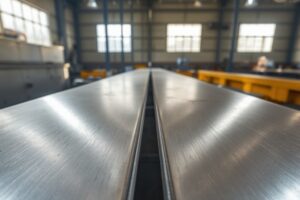
No. Galvanizing adds corrosion protection, not structural strength. As the AGA states, “Hot-dip galvanizing does NOT change the mechanical properties of the steel.” A four-year International Zinc Association study of 19 structural steels found no significant changes in tensile strength, yield strength, or bend properties after galvanizing.
Strength comes from the steel grade, such as A36 or A572 Grade 50, and the section size. What galvanizing does is help steel keep its strength longer by preventing rust from eating away the cross-section.
How Much Does Galvanized Sheet Cost in the Philippines?
There is no single price. Galvanized sheet price in the Philippines changes with specifications, order size, and the global steel and zinc markets. Any fixed figure you see online may already be outdated, so treat it as a rough guide only.
What affects the price
| Price factor | Why it matters |
|---|---|
| Thickness (gauge) | Thicker sheets use more steel per square meter |
| Dimensions | Length and width affect weight per piece and cutting needs |
| Zinc coating weight | Heavier coatings (more grams of zinc per m²) cost more but last longer |
| Form | Flat sheets, coils, and slit or cut-to-length pieces are priced differently |
| Quantity | Larger orders usually get better per-unit pricing |
| Market conditions | Global steel and zinc prices, freight, and the peso-dollar rate affect imported steel |
| Fabrication and delivery | Cutting, slitting, bending, and hauling add to the total |
Buyer tip: when comparing quotes, check that each supplier is quoting the same thickness, coating, and dimensions. A cheaper sheet is often a thinner gauge or a lighter coating.
The most reliable figure is a current quotation based on your exact requirements. Share your thickness, size, coating, and quantity with your supplier to get an accurate, updated price for G.I. sheets and coils or galvannealed sheets.
How to Choose the Right Steel for Your Project
Use this five-step checklist before you place an order.
- Assess the installation environment. Will the steel face rain, humidity, soil contact, or salt air? Outdoor and coastal exposure points to galvanized. Dry, indoor use opens the door to non-galvanized.
- Define dimensions, thickness, and specifications. Confirm the grade, gauge, length, width, and coating weight your design calls for.
- Set your expected service life and maintenance plan. If repainting every few years is impractical, galvanized usually pays off.
- Compare upfront cost with long-term cost. Factor in painting, labor, downtime, and replacement, not just the price per sheet.
- Consult your steel supplier. For project-specific sizes or large quantities, a supplier can recommend the right product and fabrication options.
A typical scenario: a poultry farm in Bulacan uses G.I. sheets for roofing and G.I. purlins because ammonia and humidity accelerate rust. Inside the feed mill, the same owner uses painted B.I. channels and plates for frames, where conditions are dry and parts need heavy welding. One project, two materials, each matched to its environment.
Frequently Asked Questions
What is the difference between galvanized and non-galvanized steel?
Galvanized steel has a zinc coating that protects it from rust through barrier and sacrificial protection. Non-galvanized steel has no zinc layer and relies on paint or a dry environment to resist corrosion.
Is galvanized steel better than non-galvanized steel?
It depends on the application. Galvanized steel is better for outdoor, humid, or coastal exposure. Non-galvanized steel is often the smarter choice for indoor use, painted finishes, heavy fabrication, or tight budgets.
Is galvanized steel stronger than regular steel?
No. Galvanizing does not significantly change steel’s tensile or yield strength. It protects the steel from corrosion, which helps it keep its original strength for longer.
How long does galvanized steel last?
It depends on coating thickness and environment. Heavy hot-dip galvanized structural steel can go over 70 years before first maintenance, while thinner sheet coatings last less, especially near the sea.
How much does galvanized sheet cost in the Philippines?
Prices vary with thickness, size, coating weight, quantity, and market conditions. For an accurate figure, request an updated quotation from your supplier based on your exact specifications.
Source Steel for Your Project from He-Max Industrial
Whether your project calls for galvanized protection, plain black iron, or both, He-Max Industrial Corporation supplies steel for construction, fabrication, and industrial use. From its office in Caloocan City and warehouses in Meycauayan and Marilao, Bulacan, He-Max imports, wholesales, retails, and fabricates a wide range of products.
Galvanized or not, the right steel is the one matched to your environment, finish, and budget. Before you lock in a galvanized sheet price in the Philippines, get a quote built on your exact thickness, size, coating, and quantity. Browse the full range of He-Max steel products to start.
Need pricing or product details? Contact He-Max Industrial for product information and an updated quotation. Call the trunkline at (632) 8275-3888, text or call 0917-115-8387, or email hemaxsales@gmail.com.