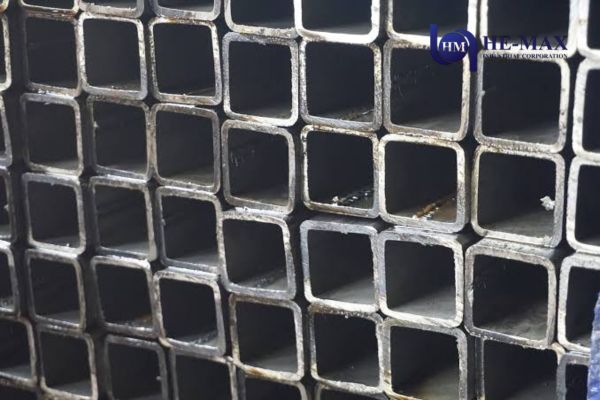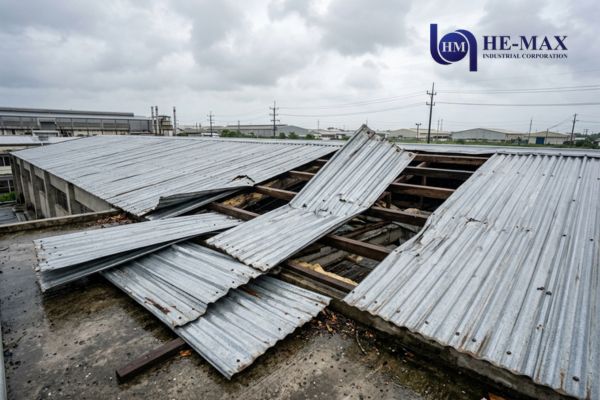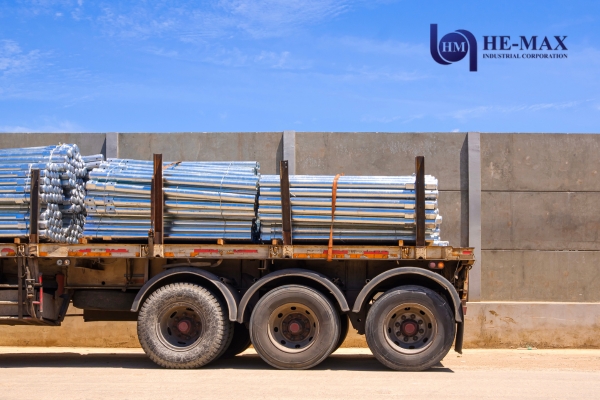
Steel is tough, but it is not damage-proof, and it is never forgiving on the road. A single unsecured bundle of angle bars can slide forward under hard brakes. A loose coil can roll off a trailer bed. Even a well-secured stack of plates can arrive scratched, dented, or rusting if nobody thought about surface protection.
That is why proper steel transportation starts long before the truck leaves the yard. Whether you are a contractor in Metro Manila, a fabricator in Bulacan, or a project manager coordinating deliveries to Cebu or Davao, the way your steel is loaded and secured directly affects three things: road safety, material quality, and your project schedule.
Here is the part many buyers miss: transport planning is part of sourcing. When you work with an experienced steel supplier in the Philippines, the conversation should cover not just what you are buying, but how it will reach your site in usable condition.
This guide walks you through how to secure steel for transport step by step, the mistakes that cause most damage claims, and what to settle with your supplier before you place a large order.
How to Secure Steel for Transportation
The short answer to “How do you safely secure steel for transportation?” is this: know the load, match the truck, distribute the weight, restrain it properly, protect it, and inspect before dispatch. Here is how each step works in practice.
1. Identify the Steel Type, Size, and Weight
Every securing decision flows from three facts: what the product is, how big it is, and how much it weighs. A 6′ x 20′ A36 mild steel plate behaves nothing like a hot-rolled B.I. coil or a bundle of steel pipes.
Before booking a truck, confirm:
- Product form: flat (plates, sheets), long (bars, beams, pipes), or round (coils)
- Dimensions: length, width, thickness, and coil diameter
- Unit and total weight: from the mill certificate or delivery receipt, not an estimate
2. Choose the Appropriate Transport Vehicle
Match the vehicle to the load, not the other way around. Long sections such as wide flange beams or sheet piles need a trailer long enough to avoid excessive overhang. Heavy coils need a deck with coil wells or rated anchor points.
Weight limits matter here too. Under Republic Act 8794, no truck axle may carry more than 13,500 kg, and maximum gross vehicle weight ranges from about 16,880 kg to 41,000 kg depending on axle configuration. Overloaded trucks face a penalty equal to 25% of the Motor Vehicle User’s Charge.
3. Position and Distribute the Load Properly
Good steel load distribution keeps the truck stable and your axles legal. As a rule of thumb:
- Place the heaviest items low and centered over or slightly ahead of the axles
- Spread weight evenly side to side to avoid lean on corners
- Use dunnage (timber spacers) under bundles so straps can pass underneath and loads sit level
4. Use Appropriate Restraints
Securing loads on trucks is a matter of physics. The widely used U.S. FMCSA standard, a solid benchmark for Philippine haulers, requires restraints that can withstand 0.8 g of forward deceleration and 0.5 g rearward and sideways. In plain terms, hard braking pushes a load forward with force equal to 80% of its weight.
Recommended restraints by steel product
| Steel product | Typical restraint | Extra measures |
|---|---|---|
| Plates and sheets | Chains or heavy-duty straps every 1.5 to 2 m | Timber dunnage between layers; edge protectors |
| Coils (B.I., G.I.) | Chains through or over the eye; coil racks or chocks | Blocking front and rear; no crossed tiedowns |
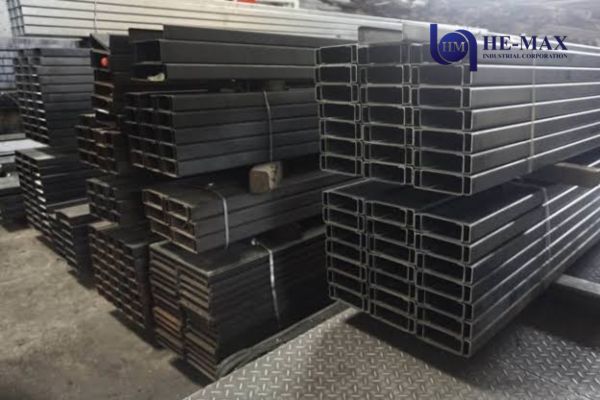
| Beams, channels, angles | Chains over each bundle | Headboard contact; side stakes |
| Pipes and hollow sections | Straps with corner guards | Chocks or wedges to stop rolling |
| Purlins and fabricated parts | Nylon straps | Padding to protect finishes and holes |
Securing steel coils on trucks
Coils deserve special attention because they roll. Securing steel coils on trucks depends on eye orientation. U.S. rules set dedicated coil requirements for loads of 2,268 kg (5,000 lb) or more, covering eyes vertical, crosswise, and lengthwise. Key practices:
- Seat each coil in a coil well, cradle, or on timber chocks
- Block the front and rear so the coil cannot roll
- Run chains through the eye (eyes lengthwise) or over the top (eyes vertical)
- Never cross-tie down crosswise coils, a practice those rules prohibit
5. Protect Steel from Damage
A load can be perfectly secure and still arrive damaged. To answer, “What is the best way to transport steel without damaging it?”: protect the contact points.
- Edge protectors stop chains from biting into plates and straps from being cut
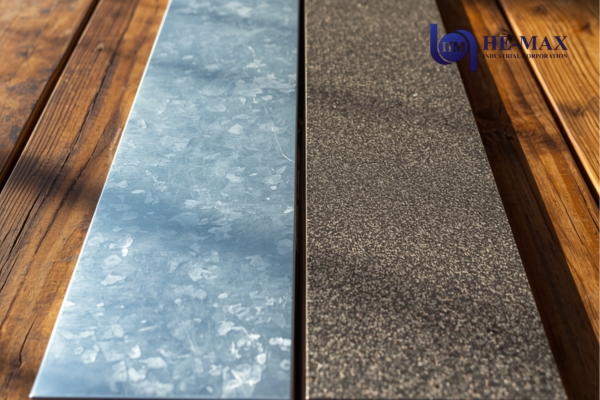
- Rubber or timber padding protects galvanized and pre-painted surfaces
- Tarpaulins keep rain off G.I. coils and B.I. sheets, which matters during the Philippine rainy season, when trapped moisture can cause white rust or surface corrosion
6. Inspect the Load Before Transport
Before the truck leaves, walk around it. Check positioning, tension on every tiedown, edge protection, tarps, and overhang flags. FMCSA practice also calls for a re-check within the first 80 km (50 miles), since loads settle and straps loosen early in the trip.
Common Mistakes When Transporting Steel
Most damaged or rejected steel delivery loads trace back to a handful of avoidable errors. Overloading alone remains widespread: DPWH data cited by PortCalls showed overloading cases rising to 34% nationwide in 2021.
| Mistake | What goes wrong | The fix |
|---|---|---|
| Using one securing method for every product | Coils roll, pipes slide, plates shift | Match restraints to product form (see table above) |
| Improper weight distribution | Axle overload, poor braking, rollover risk | Center heavy items over the axles; weigh before dispatch |
| Leaving gaps in the load | Items build momentum and strike each other or the headboard | Close gaps with blocking, dunnage, or bracing |
| Ignoring surface and edge protection | Cut straps, dented edges, scratched or rusted finishes | Edge guards, padding, and tarps on every load |
| Skipping the final inspection | Loose straps go unnoticed until something moves | Walk-around check before leaving and early in the trip |
A common scenario: a contractor orders G.I. sheets and pipes on the same truck. The pipes are strapped but not tied properly. After a sudden stop on NLEX, they roll into the sheet bundle and dent the edges. A pair of timber wedges would have prevented a costly reorder and a two-day delay.
What Should You Consider When Ordering Steel for Transportation?
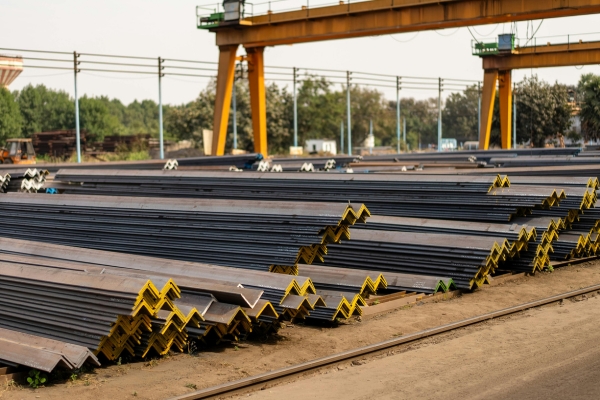
Secure delivery is decided at the ordering stage. Settle these four points with your supplier before you confirm a purchase order.
Confirm steel type, dimensions, quantity, and specifications
Specify the grade (for example, A36 vs. A572 Grade 50), thickness, length, and piece count. Accurate specs let your supplier compute total weight and recommend the right truck.
Consider fabrication requirements before delivery
Cutting steel to size before it ships often makes transport easier and cheaper. Shorter lengths fit standard trucks, and slit coils are lighter and easier to secure. Services such as coil slitting, coil cutting, and shearing and bending can reduce on-site handling too.
Check product availability and lead times
Imported sections and plates may not always be in stock. Ask about early lead times, especially for large or phased orders, so deliveries match your construction schedule.
Coordinate delivery location, schedule, site access, and unloading
- Location: exact drop-off point, plus any road weight or height restrictions on the route
- Schedule: local truck ban hours, especially within Metro Manila
- Site access: gate width, turning space, and ground conditions for a loaded trailer
- Unloading: whether you have a crane, forklift, or boom truck ready on arrival
Work With a Reliable Steel Supplier in the Philippines
The right supplier does more than sell steel. They help you choose the correct product, confirm stock, prepare and fabricate pieces to size, and package your order so it travels well.
He-Max Industrial Corporation imports, wholesales, retails, and fabricates a wide range of structural steel. With an office in Caloocan City and warehouses in Meycauayan and Marilao, Bulacan, it is well placed to serve Metro Manila and North and Central Luzon projects.
| Category | Products and services |
|---|---|
| Steel plates | MS plate A36 and A572, B.I. and G.I. sheets and coils, checkered plate, galvannealed |
| Sections and bars | Hollow sections, channel bar, angle bar, C & Z purlins, wide flange, sheet pile, steel pipe |
| Custom size fabrication | Base plates, build-up beams, fabricated tubulars, bended channels and angles |
| Services | Fiber laser cutting, base plate cutting and drilling, shearing, bending, coil slitting, coil cutting |
Because fabrication happens before dispatch, your steel can arrive cut, drilled, and ready to install. That means fewer oversized pieces on the road and less handling on site.
Frequently Asked Questions
How do you safely secure steel for transportation?
Identify the steel’s type, size, and weight, then pick a truck rated for it. Distribute the load evenly over the axles, close any gaps, and restrain it with chains or straps whose combined working load limit is at least half the cargo weight. Add edge protection and inspect before departure.
What is the best way to transport steel without damaging it?
Use timber dunnage between layers, edge protectors under every chain or strap, and padding on coated or galvanized surfaces. Cover moisture-sensitive products with tarpaulins. Chock round items such as coils and pipes so they cannot roll.
How are steel coils secured on trucks?
Coils sit in a coil well, cradle, or on timber chocks, with blocking front and rear. Chains run through the eye or over the top depending on orientation, and tiedowns should never cross on coils loaded eyes-crosswise.
What is the axle load limit for trucks in the Philippines?
Under RA 8794, a single axle may not exceed 13,500 kg. Gross vehicle weight limits depend on the truck’s axle configuration.
What should you consider when choosing a steel supplier in the Philippines for large orders?
Look for reliable stock levels and clear lead times, in-house fabrication to cut and prepare steel before delivery, and warehouses close to your project. A good supplier also helps confirm specs, weights, and delivery logistics so your order arrives complete and on schedule.
Secure the Right Steel for Your Project
Safe steel transportation comes down to preparation: knowing your load, choosing the right truck, distributing weight, using proper restraints, protecting surfaces, and inspecting before dispatch. Get those right, and your steel arrives safe, compliant, and ready to use.
But it all starts with sourcing. A dependable steel supplier in the Philippines gives you accurate specs, fabrication before delivery, and orders prepared to travel well. He-Max Industrial supplies plates, sections, bars, and custom-fabricated steel for construction, fabrication, and industrial projects across Luzon and beyond.
Ready to plan your next order? Contact He-Max Industrial to discuss your steel requirements and request a quote. Call the trunkline at (632) 8275-3888, text or call 0917-115-8387, or email hemaxsales@gmail.com.