Construction costs in the Philippines continue to rise due to material price fluctuations, global supply chain pressures, and increasing demand for housing. At the same time, modern homeowners are looking for faster builds, long-term durability, and climate resilience.
This has reignited the debate: Steel vs concrete homes — which is better for modern living?
The short answer? It depends on your priorities. But in many modern builds, especially in urban and typhoon-prone areas, steel is becoming a strong contender.
Understanding factors like tubular steel sizes in the Philippines, structural requirements, and material longevity is essential before deciding.
Let’s break it down clearly and practically.
What Are Steel and Concrete Homes?
A. What Is Steel Construction?
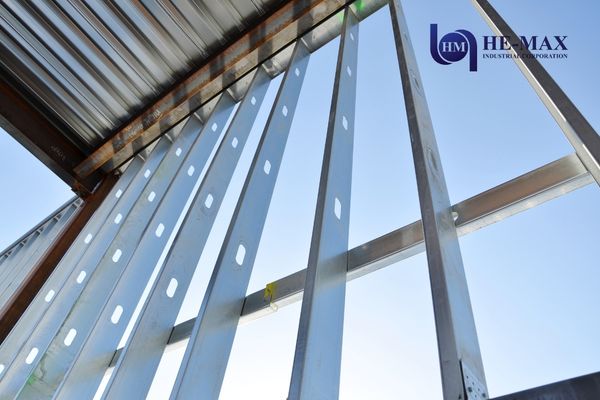
Steel construction uses structural steel members—such as beams, columns, and tubular sections—as the main framework of a building.
In residential builds, steel is commonly used for:
- Roof framing
- Wall framing
- Columns and beams
- Trusses and support systems
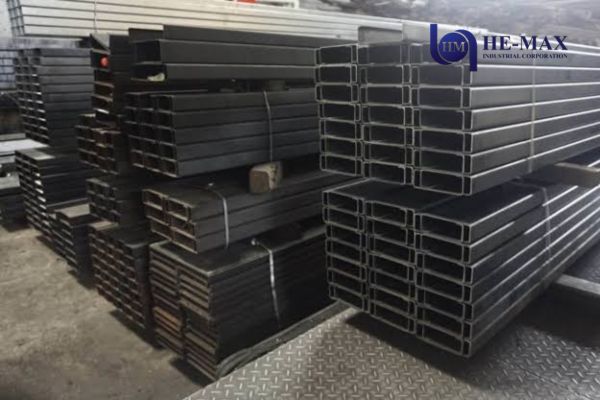
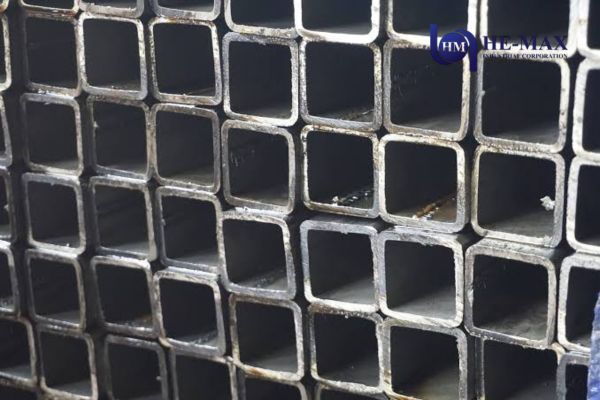
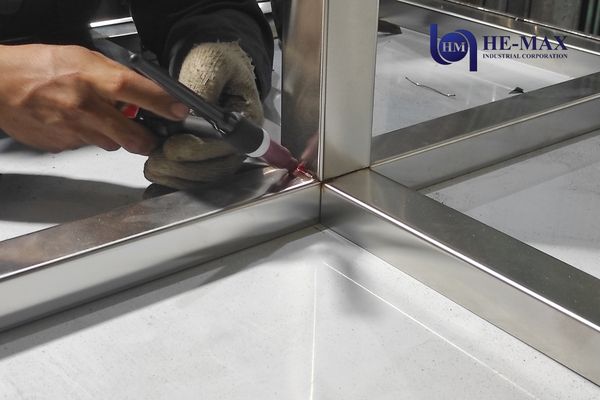
One of the most critical elements in modern steel framing is choosing the right tubular steel sizes in the Philippines. These hollow structural sections (HSS) provide:
- High strength-to-weight ratio
- Design flexibility
- Consistent load-bearing capacity
Tubular steel is widely used in both residential and commercial projects because it distributes stress evenly and resists bending.
If you explore product offerings from a trusted steel supplier in the Philippines like He-Max Industrial, you’ll find a wide range of tubular sections and structural components tailored for local construction standards.
B. What Is Concrete Construction?
Concrete construction is the traditional building method in the Philippines. It uses reinforced concrete—cement mixed with aggregates and steel rebars—to create:
- Columns
- Slabs
- Beams
- Load-bearing walls
Its strengths include:
- High compressive strength
- Thermal mass
- Familiarity among local contractors
Concrete homes are common in subdivisions, low-rise housing, and government projects.
Steel vs Concrete Homes – Key Differences
Here’s a straightforward comparison:
| Factor | Steel Homes | Concrete Homes |
| Cost | Often competitive, depends on design | Traditionally perceived as cheaper |
| Construction Time | Faster (prefabrication possible) | Slower due to curing time |
| Durability | Resistant to termites, warping | Strong compressive strength |
| Maintenance | Minimal with proper coating | Can crack over time |
| Climate Resistance | Performs well in typhoons | Heavy and stable |
Is Steel Construction Cheaper Than Concrete?
Not always—but it can be.
Steel may have a higher upfront material cost depending on tubular steel price in the Philippines, but savings often come from:
- Faster labor time
- Reduced foundation requirements (lighter weight)
- Less material waste
- Fewer long-term repairs
Concrete may appear cheaper initially, but longer construction timelines and potential cracking repairs can increase overall lifecycle costs.
Is Steel Better Than Concrete for Houses in the Philippines?
In many cases, yes—especially considering local climate conditions.
The Philippines experiences:
- High humidity
- Heavy rainfall
- Frequent typhoons (20+ annually, according to PAGASA)
- Termite activity
Steel offers advantages in these environments:
- It does not rot or warp
- It is termite-proof
- It performs well under wind loads when properly engineered
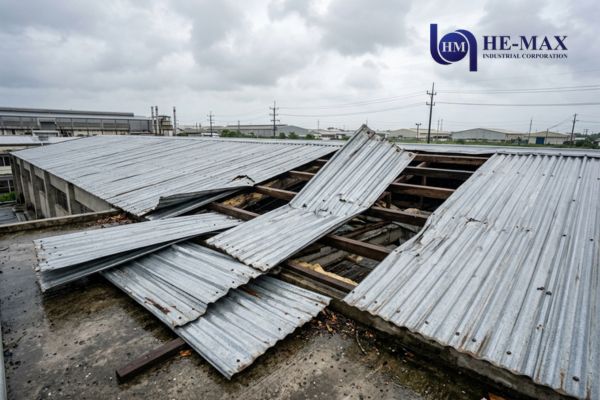
When designed correctly by qualified structural engineers, steel framing systems can provide excellent wind resistance and structural reliability—even in high-risk weather zones.
However, concrete mass provides stability and sound insulation, which some homeowners prefer.
Balanced perspective:
For modern, engineered builds prioritizing speed and structural precision, steel often has the edge. For traditional builds prioritizing thermal mass and contractor familiarity, concrete is still strong.
Advantages of Steel Construction
Let’s break down the key advantages of steel construction clearly.
1. Faster Construction
Steel components can be:
- Pre-cut
- Prefabricated
- Pre-drilled
This reduces on-site labor time significantly.
Shorter build times = lower labor costs.
2. Lightweight Yet Strong
Steel has a high strength-to-weight ratio.
This means:
- Smaller foundations may be needed
- Reduced seismic load
- Easier transportation
In earthquake-prone regions, lighter structures often experience less force.
3. Resistant to Termites and Pests
Unlike wood framing, steel is immune to:
- Termites
- Borers
- Mold damage
This makes it ideal for tropical climates.
4. Precision Engineering
Steel is manufactured to exact dimensions.
This allows:
- Better alignment
- Fewer structural inconsistencies
- Cleaner finishes
The availability of quality structural steel in the Philippines suppliers ensures compliance with engineering standards and load calculations.
Advantages of Concrete Construction
Steel isn’t perfect for every scenario. Concrete still offers strong benefits.
1. Thermal Mass
Concrete absorbs heat during the day and releases it slowly.
This can help:
- Stabilize indoor temperature
- Reduce cooling loads in certain designs
2. Noise Insulation
Concrete walls provide:
- Strong sound dampening
- Better acoustic separation
This can be beneficial in dense urban areas.
3. Contractor Familiarity
Many Filipino contractors:
- Have decades of experience with concrete
- Prefer traditional reinforced concrete systems
This can simplify supervision and execution.
When Should You Choose Steel Over Concrete?
Choose steel when:
- You want faster project completion
- You are building modern or industrial-style homes
- You need long-span open layouts
- You want termite resistance
- You are constructing in typhoon-prone areas
- You value precision and structural efficiency
Steel is particularly suitable for:
- Modern minimalist homes
- Warehouses
- Mixed-use residential-commercial builds
- Elevated or flood-prone properties
Partnering with an experienced steel supplier in the Philippines ensures proper material choice and engineering guidance.
How He-Max Industrial Supports Steel Construction Projects
If you’re planning a steel house in the Philippines project, sourcing quality materials is one of the most important decisions you’ll make.
He-Max Industrial supports residential, commercial, and industrial construction projects through:
- Wide Product Range
- Tubular steel sections
- Structural beams
- Plates and other steel components
Reliable Tubular Steel Availability
Consistent supply of various tubular steel sizes in the Philippines suitable for residential and commercial builds.
Quality Assurance
Materials follow engineering standards to ensure structural safety, durability, and long-term performance.
Efficient Logistics
Timely and coordinated delivery across project sites to prevent construction delays.
Working with a trusted steel supplier in the Philippines reduces procurement risks and ensures material integrity from sourcing to installation.
Final Verdict: Steel or Concrete?
There is no universal “best” building material—only the one that fits your design goals, budget, and environment.
However, for modern living in the Philippines—where speed of construction, long-term durability, and climate resilience are critical—steel is increasingly proving to be the smarter choice.
Choosing the correct tubular steel sizes in the Philippines, understanding structural load requirements, and partnering with a trusted supplier can significantly affect the safety, longevity, and overall performance of your home.
If you’re planning to build or upgrade using steel, consult a reliable steel supplier in the Philippines to ensure your structure is engineered for strength, efficiency, and future-ready living.
Modern homes demand modern materials. The choice is yours—but now, it’s an informed one.
Contact He-Max Industrial
Trunkline: (632) 8275-3888
Customer Service Hotline: 0917-1158387
Email: hemaxsales@gmail.com
Build smarter. Build stronger.