Construction in the Philippines comes with unique challenges. From soft clay soil in Metro Manila to coastal and reclaimed areas in Cebu and Davao, ground stability is a constant concern. Add typhoons, heavy rainfall, and strict engineering standards — and proper foundation support becomes critical.
That’s where sheet piles come in.
If you’re working with a sheet pile supplier in the Philippines contractors trust, installation quality matters just as much as material quality. Poor installation can lead to wall failure, soil collapse, or costly project delays.
In this guide, we’ll answer two key questions:
- What are sheet piles used for?
- How are sheet piles installed in the Philippines?
And most importantly, we’ll walk through practical sheet pile installation tips tailored for Philippine construction conditions.
Why Sheet Pile Installation Matters in Philippine Construction
Sheet pile installation matters in Philippine construction because it stabilizes soft or coastal soil, prevents flooding and erosion during typhoons, and ensures structural safety for excavations, basements, and retaining walls. Proper installation protects foundations from soil movement and water pressure, which are common challenges in the Philippines.
What Are Sheet Piles Used For?
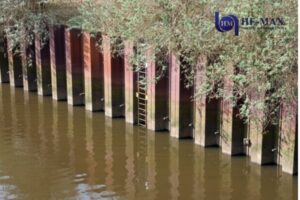
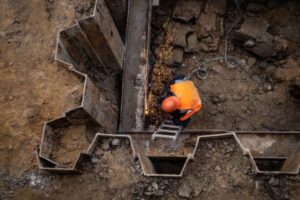
Sheet piles are interlocking steel sections driven into the ground to form continuous walls. They are commonly used for:
- Retaining walls
- Flood protection systems
- Basement excavations
- Seawalls and coastal protection
- Bridge abutments
- Slope stabilization
In the Philippines, where urban expansion often involves reclaimed or low-lying land, steel sheet pile in the Philippines projects is essential for soil retention and flood mitigation.
Many urban areas sit on alluvial soil deposits. These soils are prone to settlement and lateral movement, especially during earthquakes and heavy rains.
Proper sheet pile installation ensures:
- Structural integrity
- Water seepage control
- Long-term durability
- Compliance with local engineering codes
Why Are Soil Conditions a Major Factor?
Philippine soil conditions vary significantly:
- Soft clay (common in Metro Manila)
- Sandy coastal soil (Cavite, Cebu, Iloilo)
- Reclaimed land (Bay Area developments)
These conditions demand specific sheet pile installation methods and proper geotechnical planning.
For example:
In soft clay, vibration-based driving may cause excessive displacement. In sandy soil, improper sealing can lead to water infiltration.
A skilled sheet pile contractor in the Philippines developers rely on will always conduct soil testing before installation.
How Do Sheet Piles Improve Typhoon Resilience?
The Philippines experiences around twenty tropical cyclones per year (source: PAGASA – https://bagong.pagasa.dost.gov.ph/). Heavy rainfall leads to:
- Flooding
- Soil erosion
- Slope failures
Sheet piles function as protective barriers. When professionally installed, they:
- Resist hydrostatic pressure
- Prevent soil washout
- Protect foundations from lateral forces
In short, good installation is not optional — it is a safety requirement.
Tips for Successful Sheet Pile Installation
1. Conduct Proper Soil Analysis
Before any sheet pile driving begins, conduct a full geotechnical investigation.
This should decide:
- Soil classification
- Bearing capacity
- Groundwater level
- Required penetration depth
Skipping soil analysis increases the risk of structural failure.
Foundation performance always starts with soil understanding.
2. Choose the Right Sheet Pile Installation Methods
How Are Sheet Piles Installed in the Philippines?
Sheet piles are installed using different sheet pile driving methods, depending on soil conditions and site constraints.
Common methods include:
Vibratory Hammer
- Fast and efficient
- Suitable for sandy or loose soil
- Widely used in urban projects
Impact Hammer
- High driving force
- Suitable for dense soil
- Produces more noise and vibration
Hydraulic Press-In Method
- Low vibration
- Ideal for dense city centers
- Minimizes disturbance to nearby buildings
Selecting the wrong method can damage nearby structures or compromise alignment. Proper planning ensures both safety and efficiency.
3. Work with Experienced Contractors
Installation precision is critical.
A professional sheet pile contractor in the Philippines construction firms rely on will ensure:
- Proper alignment
- Secure interlocking
- Depth accuracy
- Structural monitoring
Look for contractors with:
- Proven project portfolio
- Modern equipment
- Safety certifications
- Engineering ability
Experience reduces costly rework and delays.
4. Ensure Accurate Alignment and Interlocking
Sheet piles must form a continuous, watertight wall.
Best practices include:
- Using guide frames
- Conducting verticality checks
- Monitoring interlock engagement
- Inspecting after each driven section
Misalignment can weaken the entire retaining structure.
5. Focus on Quality, Not Just Steel Sheet Pile Price in the Philippines
Cost matters — but quality matters more.
When evaluating steel sheet pile price in the Philippines, compare:
- Steel grade
- Thickness
- Coating or corrosion protection
- Load-bearing specifications
Low-cost materials may compromise structural integrity.
Reliable suppliers provide certified materials that meet engineering standards such as ASTM specifications. If you’re unsure which grade fits your project, read our guide on choosing the right structural steel grades in the Philippines.
Why Choosing the Right Sheet Pile Supplier in the Philippines Matters
Working with a dependable sheet pile supplier in the Philippines contractors trust affects every stage of a project.
Quality Materials
A reputable supplier provides:
- Certified structural steel
- Clear technical documentation
- Compliance with international standards
Quality materials improve longevity and safety.
Reliable Supply and Logistics
Construction delays are costly.
Reliable suppliers offer:
- Consistent inventory
- On-time delivery
- Support for bulk orders
Delays in material delivery can stall excavation work. Understanding steel importation challenges in the Philippines can help project managers mitigate supply risks.
Technical Support
A strong supplier partnership includes:
- Product recommendations
- Engineering consultation
- Aid with project planning
This reduces risk and improves project outcomes.
Why Work with HE-MAX Industrial Corporation
HE-MAX Industrial Corporation is a trusted name in structural steel supply in the Philippines.
Expertise in Steel Solutions
HE-MAX provides a wide range of structural steel products suitable for commercial, infrastructure, and industrial projects.
Reliable Supplier in the Philippines
With consistent supply capability and industry knowledge, HE-MAX supports contractors nationwide.
Supports Large-Scale Projects
From urban developments to infrastructure builds, HE-MAX understands the technical demands of Philippine construction environments.
Conclusion
Proper installation is the difference between a stable structure and a future problem.
In a country with soft soil conditions, coastal exposure, and frequent typhoons, working with a reliable sheet pile supplier in the Philippines construction professionals trust is essential.
Focus on:
- Thorough soil analysis
- Correct sheet pile installation methods
- Skilled contractors
- Certified steel materials
- When installation and supply quality align, projects gain durability, safety, and long-term performance.
For dependable structural steel solutions, visit HE-MAX Industrial Corporation
Or contact HE-MAX Industrial Corporation directly:
Trunkline: (632) 8275-3888
Customer Service Hotline: 0917-1158387
Email: hemaxsales@gmail.com
Strong foundations start with smart decisions.